Nature Reserves in Egypt: Exploring the Natural Wonders
Egypt is often celebrated for its ancient monuments and rich cultural heritage, but the country is also home to a diverse array of natural wonders. Nature reserves in Egypt offer unique landscapes, rare wildlife, and pristine ecosystems, making them a must-visit for nature enthusiasts and adventure seekers alike. This article will guide you through some of the most remarkable nature reserves in Egypt, highlighting their significance and what makes them special.
Wadi El Rayan Protected Area
Located in the Fayoum Governorate, Wadi El Rayan is a beautiful nature reserve in Egypt known for its stunning waterfalls and unique desert landscape. Established in 1989, the reserve encompasses two lakes connected by a series of cascades, creating a picturesque scene. The area is also home to a variety of wildlife, including the endangered slender-horned gazelle and several bird species. Visitors can enjoy activities such as birdwatching, hiking, and picnicking while exploring the natural beauty of Wadi El Rayan.
Ras Mohammed National Park
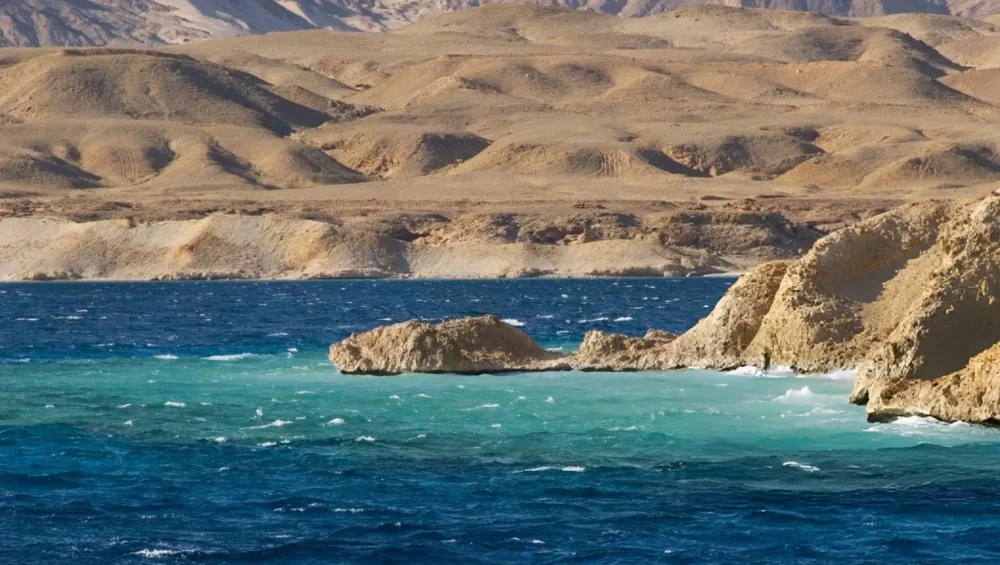
Ras Mohammed National Park, situated at the southern tip of the Sinai Peninsula, is one of the most famous nature reserves in Egypt. Established in 1983, the park covers both terrestrial and marine environments, featuring coral reefs, mangroves, and diverse marine life. The park’s underwater ecosystem is a haven for divers and snorkelers, with vibrant coral gardens and abundant fish species. On land, the park boasts picturesque beaches, desert landscapes, and salt marshes, making it a perfect destination for eco-tourism.
Saint Katherine Protectorate
In the heart of the Sinai Peninsula lies the Saint Katherine Protectorate, a UNESCO World Heritage site and one of the most significant nature reserves in Egypt. The reserve is named after the historic Saint Catherine’s Monastery, which is located within its boundaries. The area is renowned for its unique flora and fauna, including several endemic plant species and the rare Sinai leopard. The rugged mountains, deep valleys, and ancient Bedouin trails offer excellent opportunities for hiking and cultural exploration.
Wadi El Gemal National Park
Wadi El Gemal National Park, located along the Red Sea coast, is another exceptional nature reserve in Egypt. The park spans both terrestrial and marine environments, providing a sanctuary for a wide range of wildlife. The terrestrial part of the park includes the Wadi El Gemal (Valley of the Camels), which is home to various animal species such as Dorcas gazelles and Nubian ibex. The marine area boasts pristine coral reefs, seagrass beds, and diverse marine life, making it a popular spot for diving and snorkeling.
White Desert National Park
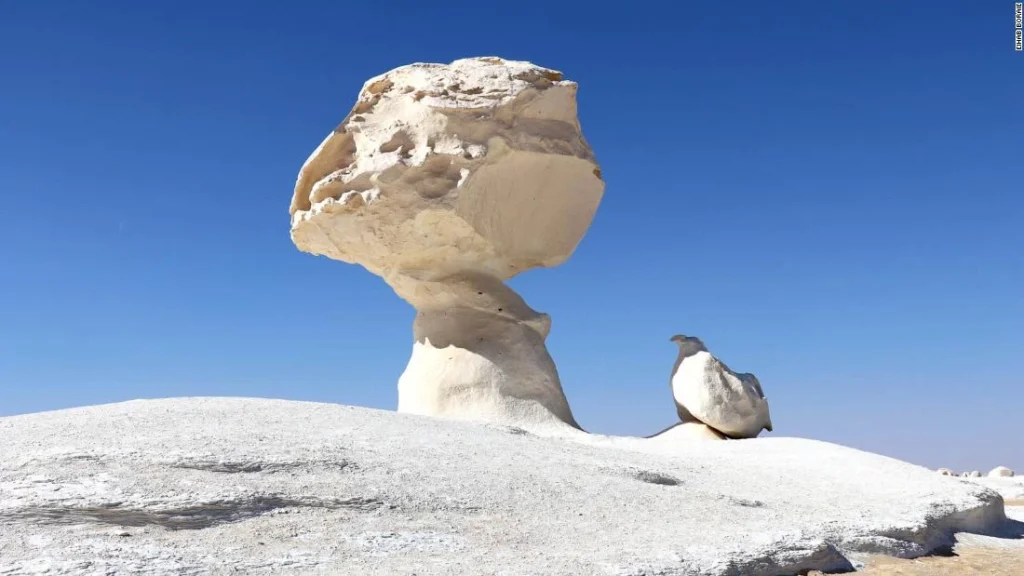
One of the most surreal nature reserves in Egypt is the White Desert National Park, located in the Farafra Depression. This unique park is characterized by its striking white chalk rock formations, sculpted by wind and sand over millennia. The bizarre and otherworldly landscape resembles an alien planet, attracting photographers and adventure travelers from around the world. Visitors can explore the park through guided tours, experiencing the beauty and tranquility of this natural wonder.
Gebel Elba National Park
Gebel Elba National Park, situated in the southeastern corner of Egypt, is a lesser-known but equally fascinating nature reserve in Egypt. The park covers a vast area, including the Gebel Elba mountain range and surrounding desert. This region is renowned for its biodiversity, hosting a variety of plant and animal species unique to the area. The park’s diverse ecosystems include coastal plains, acacia woodlands, and mountain habitats, offering a rich experience for nature lovers and researchers alike.
Siwa Oasis
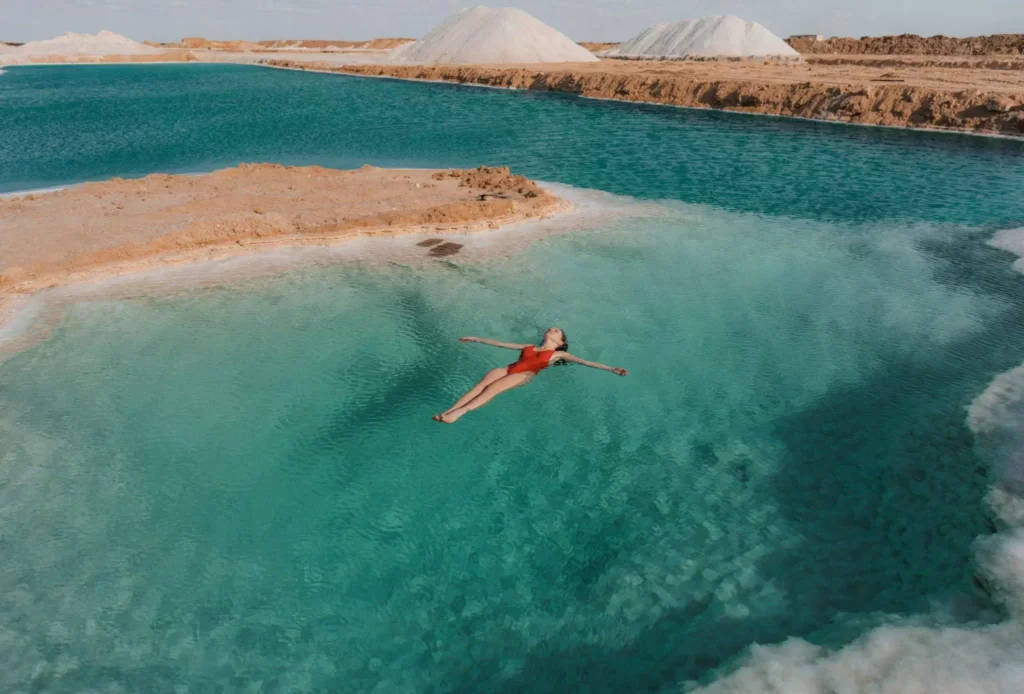
The Siwa Oasis, although not officially a nature reserve, deserves mention for its unique natural environment and cultural significance. Located in the Western Desert, Siwa is an isolated oasis known for its lush palm groves, salt lakes, and freshwater springs. The area is home to several endangered species and offers a serene escape from the bustling cities. Visitors can explore the ancient ruins, swim in the clear springs, and experience the traditional Berber culture that thrives in this remote oasis.
Nabq Protected Area
Nabq Protected Area, located between Sharm El Sheikh and Dahab on the Sinai Peninsula, is a remarkable nature reserve in Egypt known for its diverse ecosystems. The area includes mangrove forests, sand dunes, coral reefs, and desert landscapes, providing habitats for a wide range of flora and fauna. Nabq is particularly important for birdwatching, as it serves as a critical stopover for migratory birds. Visitors can enjoy activities such as snorkeling, diving, and eco-tours, experiencing the rich biodiversity of this unique reserve.
Qarun Lake Protected Area
Situated in the Fayoum Governorate, Qarun Lake Protected Area is another notable nature reserve in Egypt. The lake, one of the oldest natural lakes in the world, is a haven for bird species, including flamingos, pelicans, and herons. The surrounding area features archaeological sites, ancient ruins, and diverse wildlife. Visitors can engage in birdwatching, fishing, and exploring the historical sites, making it a perfect destination for a day trip from Cairo.
Conclusion
Nature reserves in Egypt offer a diverse array of landscapes and ecosystems, from desert oases to coral reefs. These protected areas are crucial for preserving the country’s natural heritage and providing opportunities for eco-tourism and outdoor activities. Whether you’re a nature enthusiast, a wildlife lover, or simply seeking tranquility, the nature reserves in Egypt promise unforgettable experiences and a deeper appreciation for the natural world.