Exploring the Mysteries and Marvels of Egyptian Temples
Egyptian Temples stand as enduring symbols of a civilization steeped in mysticism, mythology, and monumental architecture. These ancient structures, scattered across the Egyptian landscape, hold within their walls the secrets of a bygone era, inviting us to unravel the mysteries of the pharaohs and their gods.
The Spiritual Heart of Ancient Egypt
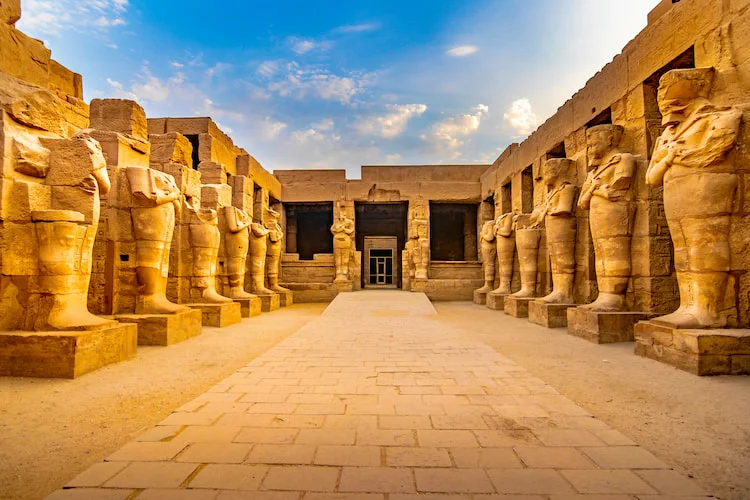
In the vast expanse of the Egyptian desert, amidst the sands of time, lie the remnants of temples that once pulsated with spiritual energy. These temples were not mere edifices but sacred spaces where the divine intersected with the mortal realm. From the grandeur of the Temple of Luxor to the enigmatic allure of the Temple of Kom Ombo, each site tells a unique story of devotion, power, and belief.
The Temple of Luxor: A Testament to Pharaonic Splendor
The Temple of Luxor, dedicated to the god Amun-Ra, stands as a testament to the grandeur and splendor of the New Kingdom. Its colossal pylons, towering obelisks, and intricately carved walls bear witness to the pharaohs’ devotion to the gods and their desire for immortality. The Avenue of Sphinxes, linking the temple to the Karnak Temple Complex, echoes with the footsteps of ancient pilgrims and priests, carrying whispers of ancient rituals and ceremonies.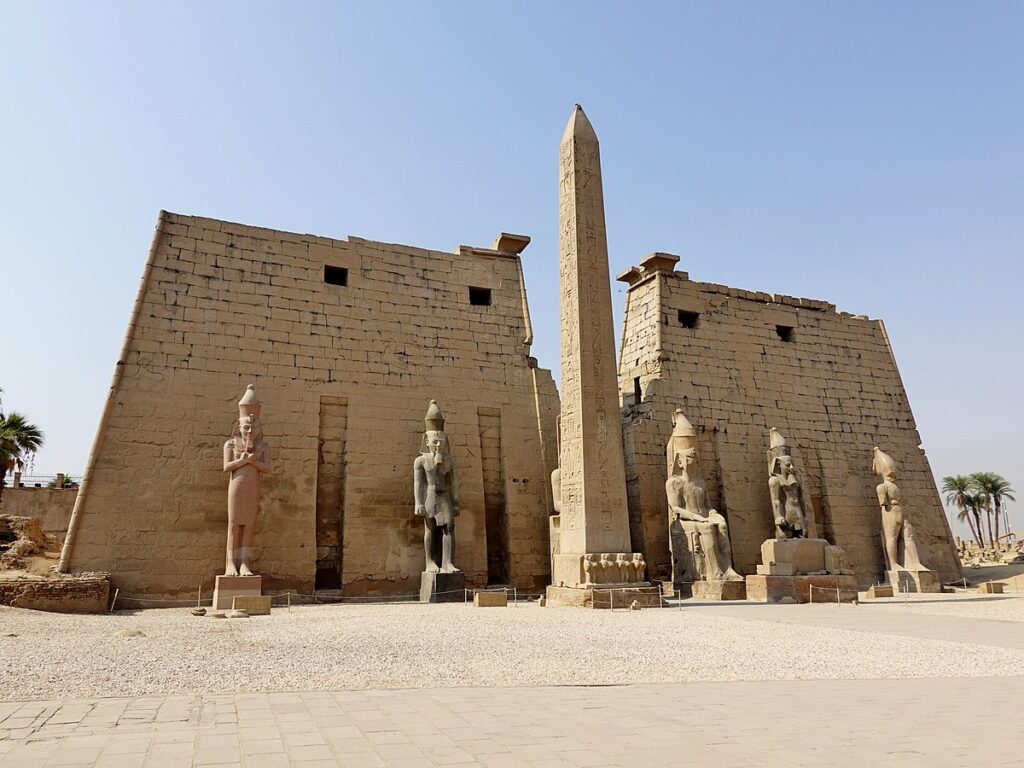
The Enigmatic Temple of Kom Ombo
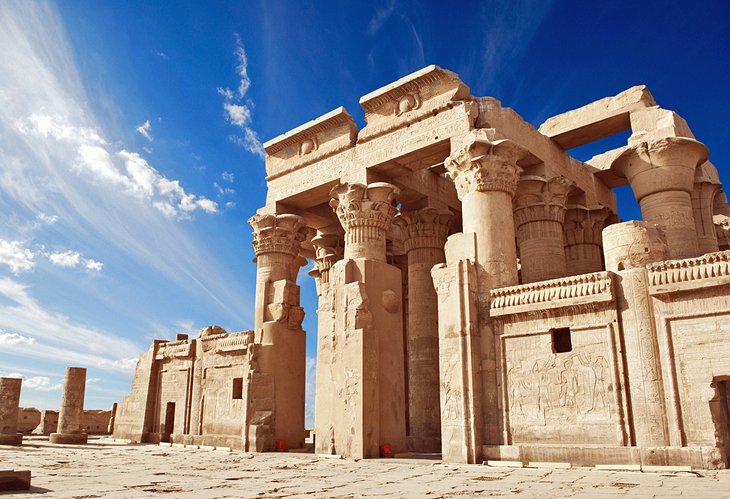
Perched on the banks of the Nile, the Temple of Kom Ombo presents a unique duality in its design and purpose. Dedicated to the crocodile god Sobek and the falcon god Horus, this temple reflects the ancient Egyptians’ complex beliefs and reverence for nature. The dual entrances, halls, and sanctuaries within the temple symbolize the balance between opposing forces, embodying the harmonious coexistence of the divine realms.
Unraveling Mythological Narratives
The walls of Egyptian Temples are adorned with vivid depictions of mythological narratives, immortalizing the epic tales of gods, goddesses, and heroic figures. Scenes of creation, divine battles, and the journey of the soul in the afterlife adorn the temple chambers, offering insights into the ancient Egyptians’ cosmology and worldview. Hieroglyphic inscriptions, meticulously carved by skilled artisans, preserve the wisdom and knowledge of a civilization that revered the written word.
Legacy and Cultural Influence
The legacy of Egyptian Temples extends beyond their architectural magnificence. They have left an indelible mark on art, literature, religion, and philosophy across cultures and centuries. The fascination with ancient Egypt, fueled by discoveries of temples and artifacts, continues to inspire scholars, artists, and adventurers, igniting a passion for exploration and discovery.
Preservation Challenges and Conservation Efforts
Preserving Egyptian Temples is a complex endeavor that requires meticulous planning, scientific expertise, and community involvement. Climate change, pollution, urban encroachment, and tourism impact pose significant challenges to these ancient monuments. Conservation initiatives, such as digital mapping, structural stabilization, and sustainable tourism practices, are essential in safeguarding the integrity and authenticity of Egyptian Temples for future generations.
Sacred Spaces and Rituals
At the heart of Egyptian Temples were sacred spaces where rituals and ceremonies unfolded in a symphony of sights, sounds, and symbolism. Priests, clad in elaborate ceremonial attire, conducted rites to honor the gods, seek divine guidance, and ensure the prosperity of the kingdom. Offerings of food, incense, and precious artifacts were presented in meticulously choreographed ceremonies that echoed the cosmic order believed to govern the universe.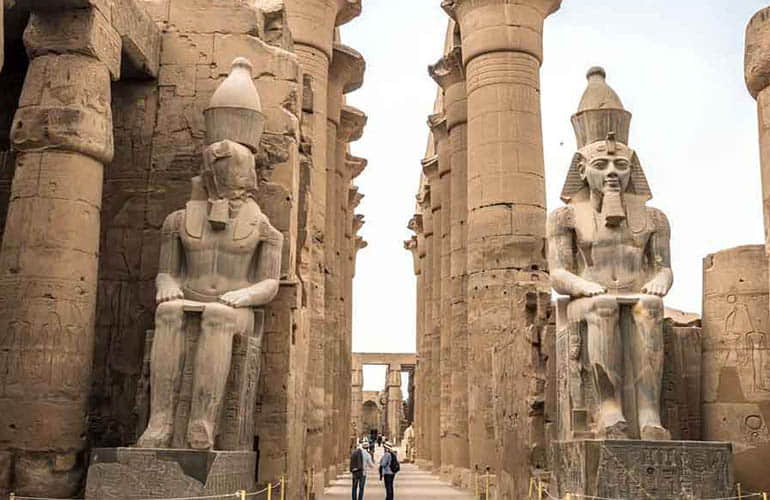
A Journey Through Time and Belief
As we embark on a journey through Egyptian Temples, we embark on a voyage of discovery and wonder. Each temple tells a story of faith, ingenuity, and human aspiration, inviting us to contemplate the mysteries of existence and our place in the cosmos. Through responsible tourism and ongoing conservation efforts, we can ensure that these timeless treasures endure as beacons of wisdom and inspiration for generations to come.
References:
- Hawass, Zahi. The Treasures of Luxor and the Valley of the Kings. American University in Cairo Press, 2019.
- Baines, John, and Jaromir Malek. The Cultural Atlas of Ancient Egypt. Facts on File, 2000.
- Verner, Miroslav. Temples of Ancient Egypt. Thames & Hudson, 1997.
For any inquiries, contact us :