Tour de los Templos de Karnak y Luxor

emplos egipcios: Esplendor atemporal y resonancia espiritual

Explorando los Misterios y Maravillas de los Templos Egipcios

Los templos egipcios son símbolos perdurables de una civilización imbuida de misticismo, mitología y arquitectura monumental. Estas estructuras antiguas, dispersas por el paisaje egipcio, guardan entre sus paredes los secretos de una era pasada, invitándonos a desentrañar los misterios de los faraones y sus dioses.

El Corazón Espiritual del Antiguo Egipto

En la vasta extensión del desierto egipcio, entre las arenas del tiempo, yacen los restos de templos que alguna vez pulsaron con energía espiritual. Estos templos no eran meros edificios, sino espacios sagrados donde lo divino se cruzaba con el reino mortal. Desde la grandeza del Templo de Luxor hasta el atractivo enigmático del Templo de Kom Ombo, cada sitio cuenta una historia única de devoción, poder y creencia.

El Templo de Luxor: Testimonio de la Esplendor Faraónico

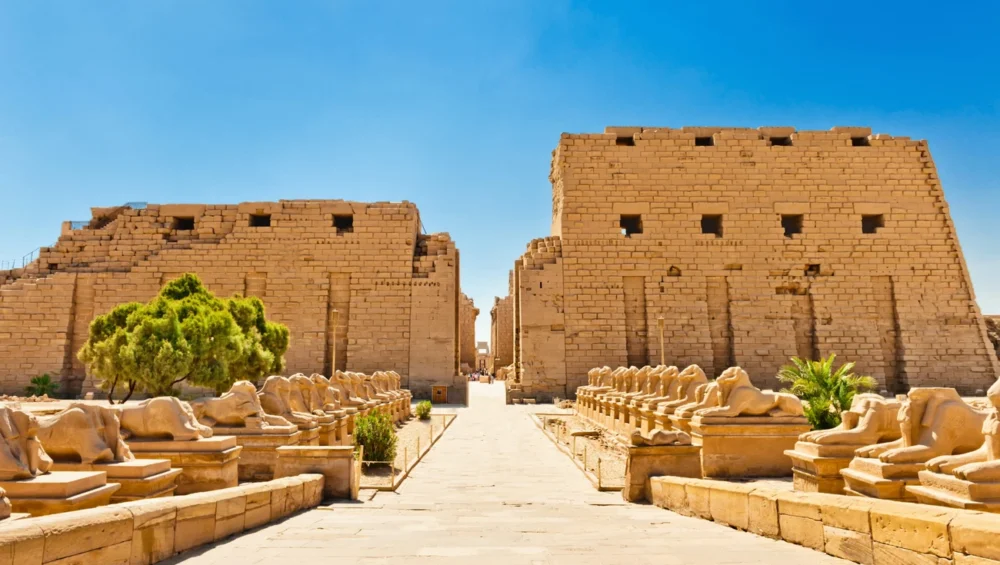
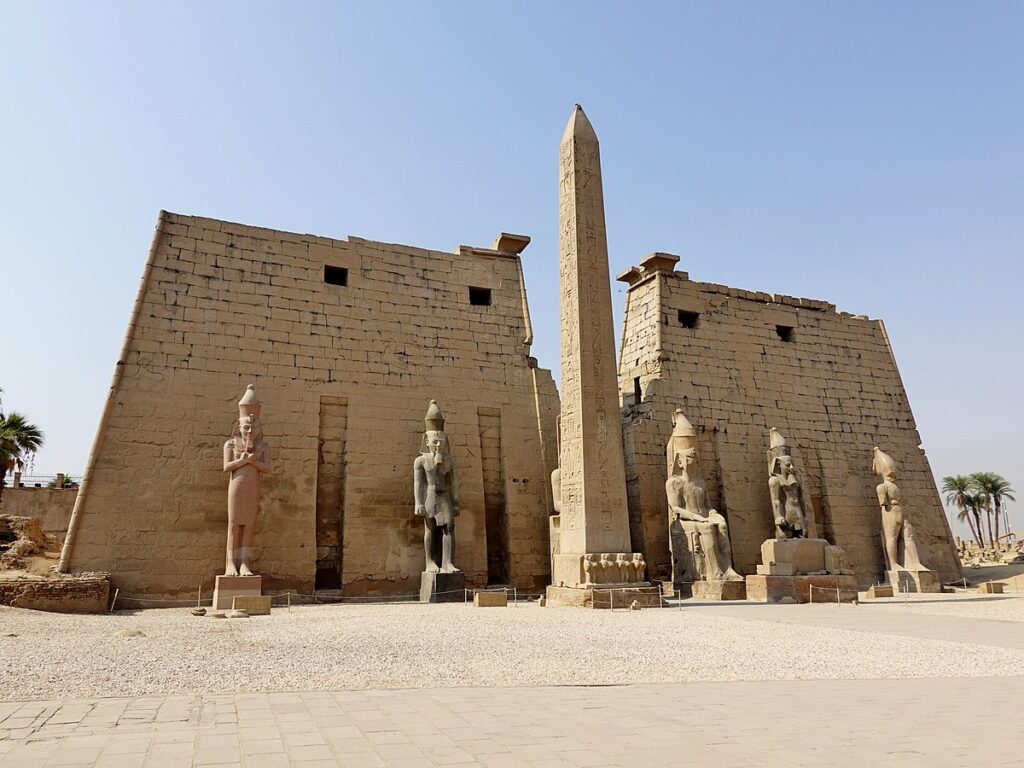
El Templo de Luxor"Dedicado al dios Amón-Ra, es un testimonio de la grandeza y esplendor del Nuevo Reino. Sus colosales pilones, obeliscos imponentes y muros intrincadamente tallados dan fe de la devoción de los faraones hacia los dioses y su deseo de inmortalidad. La Avenida de los Esfinges, que une el templo con el Complejo del Templo de Karnak, resuena con los pasos de antiguos peregrinos y sacerdotes, llevando susurros de rituales y ceremonias ancestrales."
El Enigmático Templo de Kom Ombo

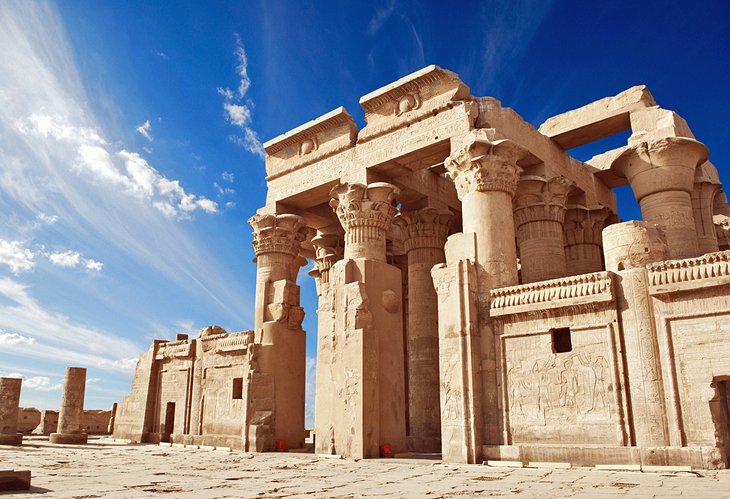
Encaramado en las orillas del Nilo, El Templo de Kom Ombo Presenta una dualidad única en su diseño y propósito. Dedicado al dios cocodrilo Sobek y al dios halcón Horus, este templo refleja las complejas creencias de los antiguos egipcios y su reverencia por la naturaleza. Las entradas, salas y santuarios duales dentro del templo simbolizan el equilibrio entre fuerzas opuestas, encarnando la coexistencia armoniosa de los reinos divinos.
Egyptian Temples

Desentrañando narrativas mitológicas

Las paredes de los Templos Egipcios están adornadas con vívidas representaciones de narrativas mitológicas, inmortalizando los relatos épicos de dioses, diosas y figuras heroicas. Escenas de creación, batallas divinas y el viaje del alma en el más allá adornan las cámaras del templo, ofreciendo visiones de la cosmología y la cosmovisión de los antiguos egipcios. Las inscripciones jeroglíficas, meticulosamente talladas por artesanos hábiles, preservan la sabiduría y el conocimiento de una civilización que reverenciaba la palabra escrita.

Legado e Influencia Cultural

"El legado de los Templos Egipcios va más allá de su magnificencia arquitectónica. Han dejado una huella indeleble en el arte, la literatura, la religión y la filosofía a través de culturas y siglos. La fascinación por el antiguo Egipto, impulsada por los descubrimientos de templos y artefactos, continúa inspirando a académicos, artistas y aventureros, encendiendo una pasión por la exploración y el descubrimiento."

Desafíos de preservación y esfuerzos de conservación

Preservar los templos egipcios es un esfuerzo complejo que requiere una planificación meticulosa, experiencia científica e involucramiento comunitario. El cambio climático, la contaminación, la expansión urbana y el impacto del turismo representan desafíos significativos para estos monumentos antiguos. Las iniciativas de conservación, como la cartografía digital, la estabilización estructural y las prácticas turísticas sostenibles, son fundamentales para salvaguardar la integridad y autenticidad de los templos egipcios para las futuras generaciones.

Espacios sagrados y rituales

En el corazón de los Templos Egipcios se encontraban espacios sagrados donde se desarrollaban rituales y ceremonias en una sinfonía de visiones, sonidos y simbolismo. Sacerdotes, vestidos con elaborados atuendos ceremoniales, realizaban ritos para honrar a los dioses, buscar orientación divina y asegurar la prosperidad del reino. Ofrendas de alimentos, incienso y artefactos preciosos se presentaban en ceremonias meticulosamente coreografiadas que reflejaban el orden cósmico creído para gobernar el universo.Tour de los Templos de Karnak y Luxor
Un viaje a través del tiempo y la creencia

En embarcarnos en un viaje a través de los Templos Egipcios, nos embarcamos en un viaje de descubrimiento y maravilla. Cada templo cuenta una historia de fe, ingenio y aspiración humana, invitándonos a contemplar los misterios de la existencia y nuestro lugar en el cosmos. A través del turismo responsable y los esfuerzos continuos de conservación, podemos asegurar que estos tesoros atemporales perduren como faros de sabiduría e inspiración para las generaciones venideras.

Referencias:

  1. Hawass, Zahi. Los tesoros de Luxor y el Valle de los ReyesAmerican University in Cairo Press, 2019.
  2. Baines, John, y Jaromir Malek. El Atlas Cultural del Antiguo Egipto. Facts on File, 2000.
  3. Verner, Miroslav. Templos del Antiguo EgiptoThames & Hudson, 1997.
    Para cualquier consulta, contáctenos.
White Island

Snorkel en Egipto: Los 7 mejores lugares para hacer snorkel en Egipto

Snorkel en Egipto: Los 7 mejores lugares para hacer snorkel en Egipto

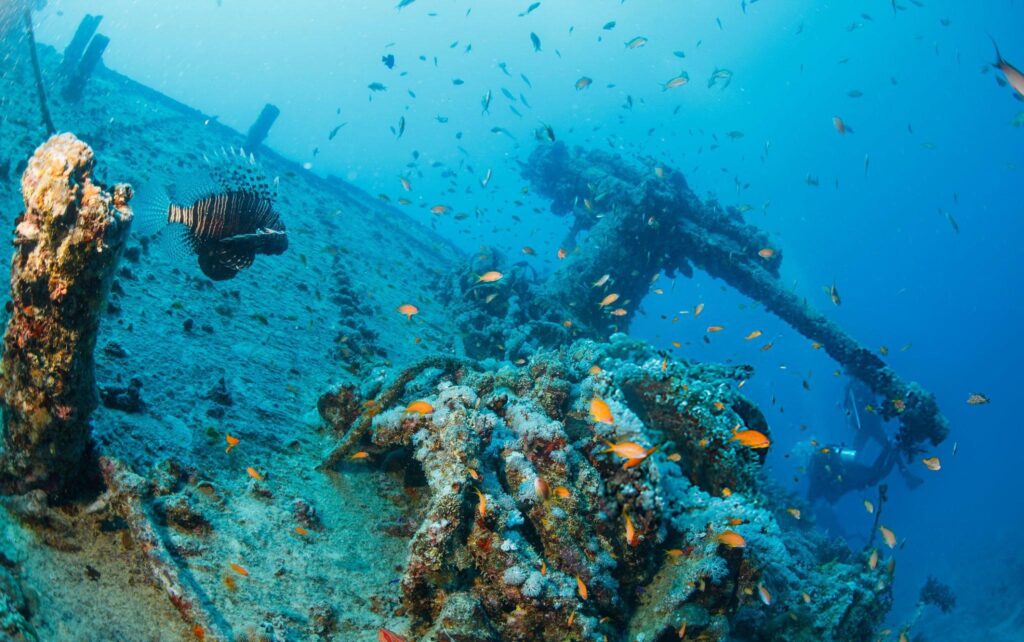
Egipto es famoso no solo por sus antiguas pirámides y su rica historia, sino también por su impresionante mundo submarino esperando ser explorado. El snorkeling en Egipto es una experiencia fascinante, con aguas cristalinas, vibrantes arrecifes de coral y una diversa variedad de vida marina. Si estás planeando una aventura de snorkeling en Egipto, aquí están los 7 mejores lugares para agregar a tu itinerario:

  1. Parque Nacional Ras Mohammed :Ubicado cerca de Sharm El Sheikh, Parque Nacional Ras Mohammed : Es un paraíso para los practicantes de snorkel. Sus aguas cristalinas están llenas de arrecifes de coral coloridos, peces tropicales e incluso avistamientos ocasionales de delfines. El parque ofrece varios sitios para hacer snorkel, cada uno mostrando ecosistemas marinos únicos.
    Snorkeling in Egypt
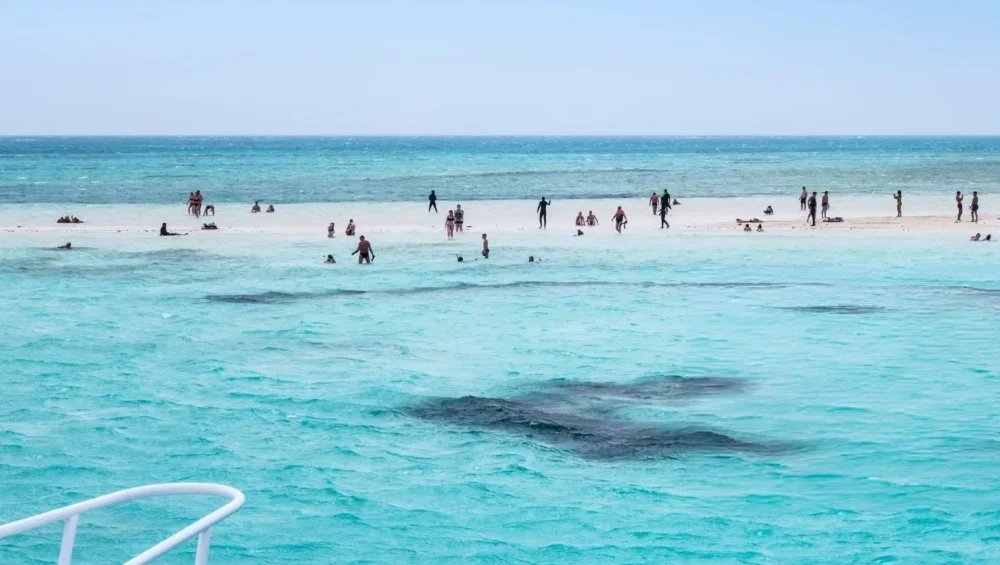
  2. Isla Giftun :Situado cerca de Hurghada Isla Giftun : Es conocido por sus playas prístinas y excelentes oportunidades para hacer snorkel. Explora los jardines submarinos llenos de peces exóticos, rayas y a veces incluso tortugas marinas. Las formaciones de coral vibrantes hacen de este lugar un destino imprescindible para los practicantes de snorkel de todos los niveles.
  3. Isla de Tiran: Otro tesoro cerca de Sharm El Sheikh, la Isla de Tiran cuenta con algunos de los arrecifes más espectaculares del Mar Rojo. Sumérgete en sus aguas azules para encontrarte con un caleidoscopio de vida marina, desde coloridos peces ángel hasta majestuosos tiburones de arrecife. La Isla de Tiran promete una experiencia de snorkel inolvidable.
  4. Abu Dabbab :Ubicado cerca de Marsa Alam, Abu Dabbab es famoso por sus dugongos residentes, también conocidos como vacas marinas. Los buceadores pueden nadar junto a estos gentiles gigantes además de explorar los vibrantes jardines de coral y el animado mundo submarino de la zona.
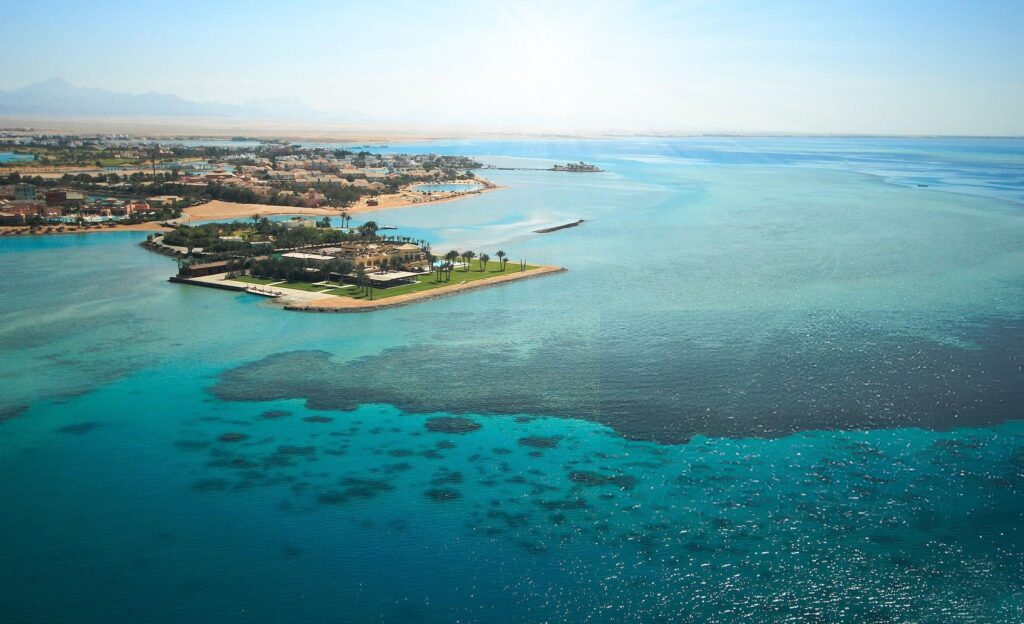
  5. El Gouna :Esta Mar Rojo La ciudad turística ofrece fantásticas oportunidades para hacer snorkel justo en sus costas. Los arrecifes de coral son fácilmente accesibles, lo que hace de El Gouna un lugar ideal para familias y principiantes. Mantén un ojo en los peces loro, peces payaso y otras especies coloridas.
  6. Dahab :Conocido por su ambiente relajado y sus impresionantes sitios de buceo, Dahab es también un destino fantástico para los practicantes de snorkel. El Blue Hole, un sitio de buceo de renombre mundial, ofrece un impresionante paisaje submarino, que incluye paredes de coral y una abundancia de vida marina visible incluso desde la superficie.
  7. Bahía de Makadi :Ubicada entre Hurghada y Safaga, Makadi Bay es una joya escondida para los entusiastas del snorkel. Sus aguas tranquilas y diversos hábitats marinos atraen a los buceadores que buscan encuentros con tortugas marinas, corales coloridos y bancos de peces tropicales.
  8. Explorando las maravillas submarinas de Egipto: El atractivo de Egipto como destino turístico se extiende mucho más allá de sus antiguos monumentos y paisajes desérticos. A lo largo de su costa se encuentra un mundo de colores vibrantes, rebosante de vida bajo la superficie del Mar Rojo. El snorkel en Egipto ofrece una perspectiva única de este reino submarino, donde cada inmersión revela un nuevo descubrimiento. Uno de los principales destinos para los entusiastas del snorkel es el Parque Nacional Ras Mohammed, un santuario marino cerca de Sharm El Sheikh. Aquí, la convergencia de las cálidas aguas del Golfo de Aqaba y el Golfo de Suez crea un ambiente ideal para el crecimiento de corales y la biodiversidad marina. Los snorkelers pueden deslizarse sobre jardines de coral habitados por una deslumbrante variedad de peces, desde peces mariposa y peces loro hasta morenas y tiburones de arrecife.

Consejos para hacer snorkel en Egipto:

  1. Elija el equipo adecuado :Invierte en equipo de snorkel de calidad, que incluya máscara, tubo y aletas, para mejorar tu experiencia bajo el agua.
  2. Respeta la vida marina :Evite tocar o perturbar a las criaturas marinas y los corales. Practique el esnórquel responsable para preservar los ecosistemas marinos de Egipto.
  3. Verificar las condiciones meteorológicas :Planifica tus excursiones de snorkel en días tranquilos con buena visibilidad para una exploración óptima bajo el agua.
  4. Mantente hidratado :Beba mucha agua, especialmente en el clima cálido de Egipto, para mantenerse hidratado durante sus aventuras de snorkeling

Embárcate en un viaje de snorkel memorable en Egipto, descubriendo sus tesoros escondidos bajo el agua y disfrutando de la belleza del mundo marino del Mar Rojo. Ya seas un snorkelista experimentado o un explorador novato, los diversos lugares de snorkel de Egipto prometen encuentros impresionantes y recuerdos inolvidables. ¡Feliz buceo en Egipto!

Para cualquier consulta, contáctenos.
Egypt Nile Cruises

Desbloqueando los Secretos: Guía Máxima de Maestría en Cruceros por el Nilo en Egipto

Consejos para un crucero por el Nilo en Egipto: Guía para un viaje inolvidable por el río

"El crucero por el Nilo en Egipto es un sueño hecho realidad para muchos viajeros, ofreciendo una forma única e inolvidable de experimentar la belleza y la historia de Egipto. Para aprovechar al máximo tu aventura en crucero por el Nilo, aquí tienes algunos consejos e información esencial para asegurar un viaje fluido y agradable."

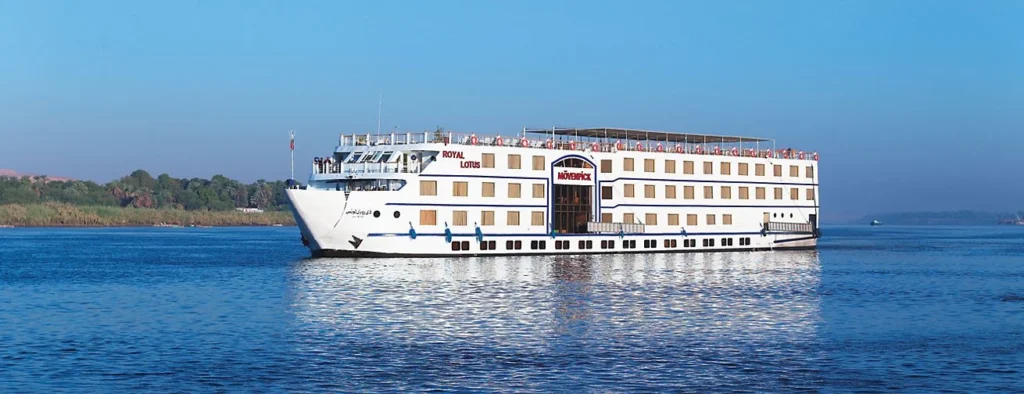
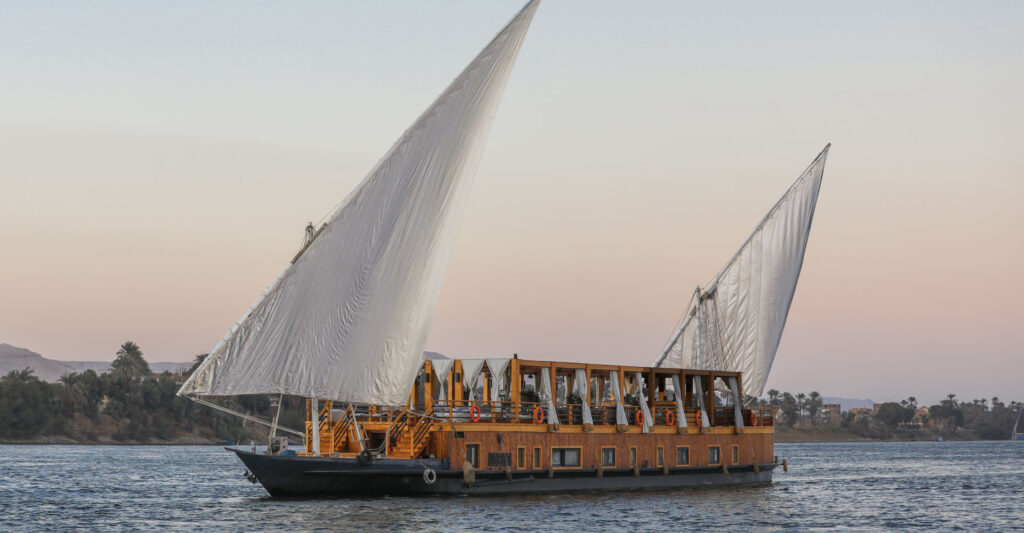
1.Consejos para cruceros por el Nilo en Egipto: Elija el paquete de crucero adecuadoEgypt Nile Cruise

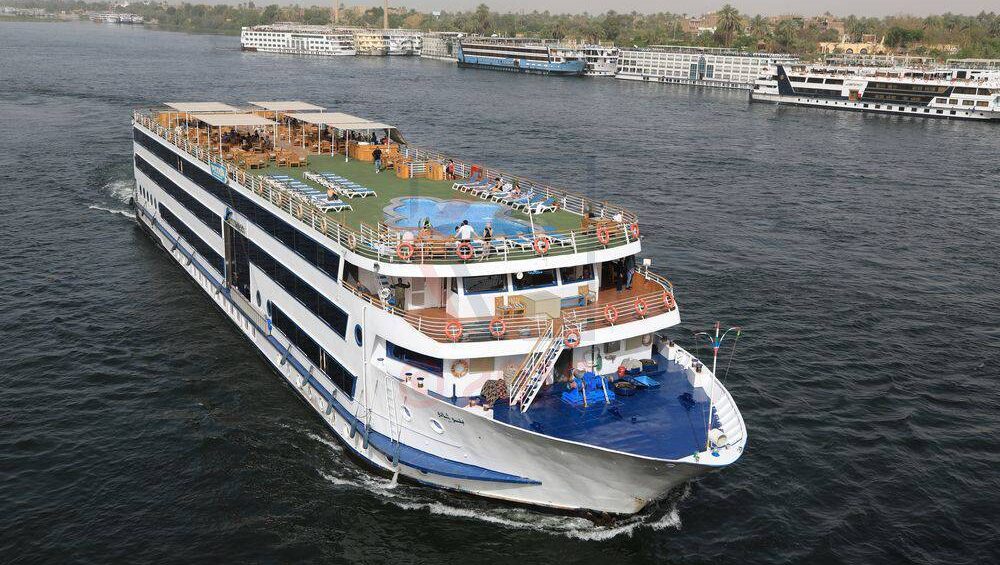
Al planificar tu Crucero por el NiloEs esencial investigar y seleccionar el paquete de crucero adecuado que se ajuste a tus preferencias y presupuesto. Considera factores como la duración del crucero, el itinerario, las comodidades a bordo y las excursiones en tierra. Opta por una línea de cruceros de buena reputación con reseñas positivas y un sólido historial de seguridad.

2.Consejos para cruceros por el Nilo en Egipto: Planifica tu itinerario con cuidado

Los cruceros por el Nilo suelen ofrecer una variedad de itinerarios, desde viajes más cortos entre Luxor y Asuán hasta viajes prolongados que incluyen visitas a otros sitios históricos a lo largo del río. Planifique su itinerario cuidadosamente para incluir atracciones imperdibles como los templos de Karnak, Luxor y Philae, así como el Valle de los Reyes y Reinas.

3. Consejos para un crucero por el Nilo en Egipto: Empaque con sabiduría

Empaque de manera ligera e inteligente para su Crucero por el Nilo"Teniendo en cuenta la temporada y las condiciones climáticas, los elementos esenciales incluyen ropa cómoda, protección solar (sombrero, gafas de sol, protector solar), repelente de insectos, una cámara y cualquier medicamento necesario. No olvides llevar un traje de baño si tu crucero incluye tiempo de ocio en la piscina."

4. Consejos para cruceros por el Nilo en Egipto: Mantente hidratado

El clima de Egipto puede ser caluroso y seco, especialmente durante los meses de verano. Mantente hidratado bebiendo mucha agua durante todo tu crucero. La mayoría de los cruceros ofrecen agua embotellada de cortesía, pero es buena idea llevar una botella de agua reutilizable para recargas durante las excursiones en tierra.

5. Consejos para un crucero por el Nilo en Egipto: Disfruta de la gastronomía local

Uno de los aspectos más destacados de un crucero por el Nilo es la oportunidad de disfrutar de deliciosa cocina egipcia a bordo. Desde platos tradicionales como koshari y falafel hasta sabrosas bandejas de mezze y mariscos frescos, deleítate con los sabores de Egipto durante tu crucero. Asegúrate de probar los postres locales, como basbousa y kunafa.

6. Consejos para un crucero por el Nilo en Egipto: Respete las costumbres locales

Mientras disfrutas de tu Crucero por el Nilo Al explorar los pueblos y ciudades ribereños, recuerda respetar las costumbres y tradiciones locales. Viste de manera modesta al visitar sitios religiosos, como mezquitas y templos, y pide permiso antes de tomar fotos de los lugareños.

7. Consejos para un crucero por el Nilo en Egipto: Mantente informado

Mantente informado sobre los últimos avisos de viaje y precauciones de seguridad en Egipto. Mantén contacto con el personal de tu crucero y sigue sus indicaciones sobre los procedimientos de seguridad a bordo y las excursiones en tierra.

8. Relájate y descansa

"Por último, tómate un tiempo para relajarte y descansar durante tu crucero por el Nilo. Ya sea que estés descansando en la cubierta solar, disfrutando del entretenimiento a bordo o participando en actividades culturales y conferencias, saborea cada momento de tu viaje por el río."

En conclusión, un crucero por el Nilo es una experiencia única que ofrece una mezcla de historia, cultura y belleza natural. Siguiendo estos consejos para un crucero por el Nilo en Egipto, puedes aprovechar al máximo tu aventura y crear recuerdos duraderos a lo largo del legendario río Nilo.

Adenda: Consejos adicionales para una gran experiencia en crucero por el Nilo

Para mejorar aún más tu experiencia en un crucero por el Nilo, considera los siguientes consejos:

9. Interactúa con guías locales Aprovecha las visitas guiadas dirigidas por guías locales conocedores que pueden ofrecer una visión profunda de la historia y la cultura de Egipto.

10. Captura Recuerdos Lleve un diario de viaje o una libreta para documentar sus experiencias y capturar momentos memorables durante su viaje en crucero por el Nilo.

11.Asistir a actividades a bordo Participe en actividades a bordo como clases de cocina, actuaciones de baile y conferencias para sumergirse en la cultura y tradiciones egipcias.

12. Conéctate con otros viajeros Interactúa con los demás pasajeros y comparte consejos de viaje, historias y recomendaciones para futuras aventuras.

13.Explora más allá de la orilla "Si bien las excursiones en tierra son uno de los aspectos más destacados de cualquier crucero por el Nilo, no dudes en explorar los mercados, cafés y barrios cercanos por tu cuenta para tener una experiencia más auténtica."

14.Planifique con anticipación para ocasiones especiales Si estás celebrando una ocasión especial durante tu crucero, como un cumpleaños o aniversario, informa al personal del crucero con anticipación para organizar una celebración memorable a bordo.

Al incorporar estos consejos adicionales en tu viaje en crucero por el Nilo, puedes elevar tu experiencia y hacerla realmente inolvidable.

Para cualquier consulta, contáctenos.
Top 5 Hidden Gems in Egypt

Explorar los 5 Tesoros Ocultos en Egipto

Explorar los 5 Tesoros Ocultos en Egipto

Explorar los 5 tesoros escondidos de Egipto, con sus legendarias pirámides, antiguos templos y bulliciosas ciudades, es el sueño de todo viajero. Sin embargo, más allá de los caminos trillados se encuentran joyas escondidas esperando ser descubiertas. Estos tesoros menos conocidos ofrecen una visión de los diversos paisajes de Egipto, su rica historia y su patrimonio cultural. En esta guía, desvelaremos los 5 tesoros escondidos de Egipto, cada uno con su propio encanto y atractivo.

1.Oasis de Siwa: Un paraíso en el desierto

Ubicado en la vasta extensión del desierto occidental de Egipto, cerca de la frontera con Libia, Oasis de Siwa Es un retiro tranquilo lejos de las multitudes turísticas. Este oasis remoto es conocido por sus exuberantes palmerales, manantiales de agua dulce y belleza serena. El aislamiento de Siwa ha preservado una cultura bereber distinta, con casas de ladrillo de barro y prácticas tradicionales que datan de siglos atrás.

Uno de los puntos destacados de Siwa es el Templo Oráculo de Amón, un antiguo santuario ubicado en lo alto de una colina con vistas a la oasis. Las ruinas del templo ofrecen una visión del pasado místico de Egipto, donde los viajeros pueden imaginar los rituales y ceremonias que alguna vez tuvieron lugar aquí. Otro lugar imperdible es la Fuente de Cleopatra, una piscina natural que se cree que fue frecuentada por la legendaria reina ella misma.

2.Al-Qasr: Encanto atemporal en el oasis de Dakhla

En el corazón del Oasis de Dajla, Al-Qasr se erige como un testimonio del patrimonio arquitectónico de Egipto. Este antiguo pueblo es conocido por sus edificios de ladrillo de barro bien conservados, sus callejones estrechos y su estilo de vida tradicional. Caminar por Al-Qasr es como retroceder en el tiempo, cada esquina revela un vistazo al pasado.

El Museo Etnográfico de Al-Qasr es un tesoro de artefactos, que muestra la historia, cultura y vida diaria de los habitantes del oasis. Los visitantes pueden explorar exhibiciones sobre artesanías tradicionales, prácticas agrícolas y costumbres locales, obteniendo una comprensión más profunda del rico patrimonio de la región.

3.Wadi Al-Hitan: El Valle de las BallenasExplorar los 5 Tesoros Ocultos en Egipto

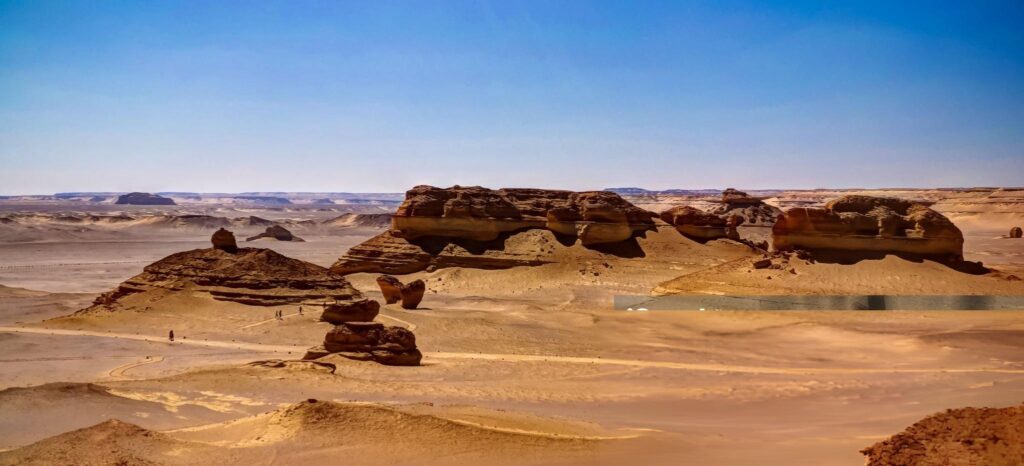
Ubicado en el Desierto Occidental, Wadi Al-Hitan, o el Valle de las Ballenas, es una maravilla geológica y sitio del Patrimonio Mundial de la UNESCO. Este valle antiguo alberga restos fosilizados de ballenas prehistóricas, brindando una fascinante visión de la evolución de la vida marina. Los fósiles de ballenas, algunos de los cuales están notablemente bien conservados, ofrecen valiosas perspectivas sobre la historia natural de Egipto.

Explorar Wadi Al-Hitan es como viajar en el tiempo, ya que los visitantes encuentran fósiles incrustados en las rocas del desierto y aprenden sobre los antiguos ecosistemas marinos que una vez prosperaron aquí. El centro de visitantes del sitio ofrece exhibiciones informativas y visitas guiadas, lo que lo convierte en un destino imprescindible para los entusiastas de la naturaleza y los aficionados a la historia.

4.Templo de Philae: Joya oculta en la isla de Agilkia

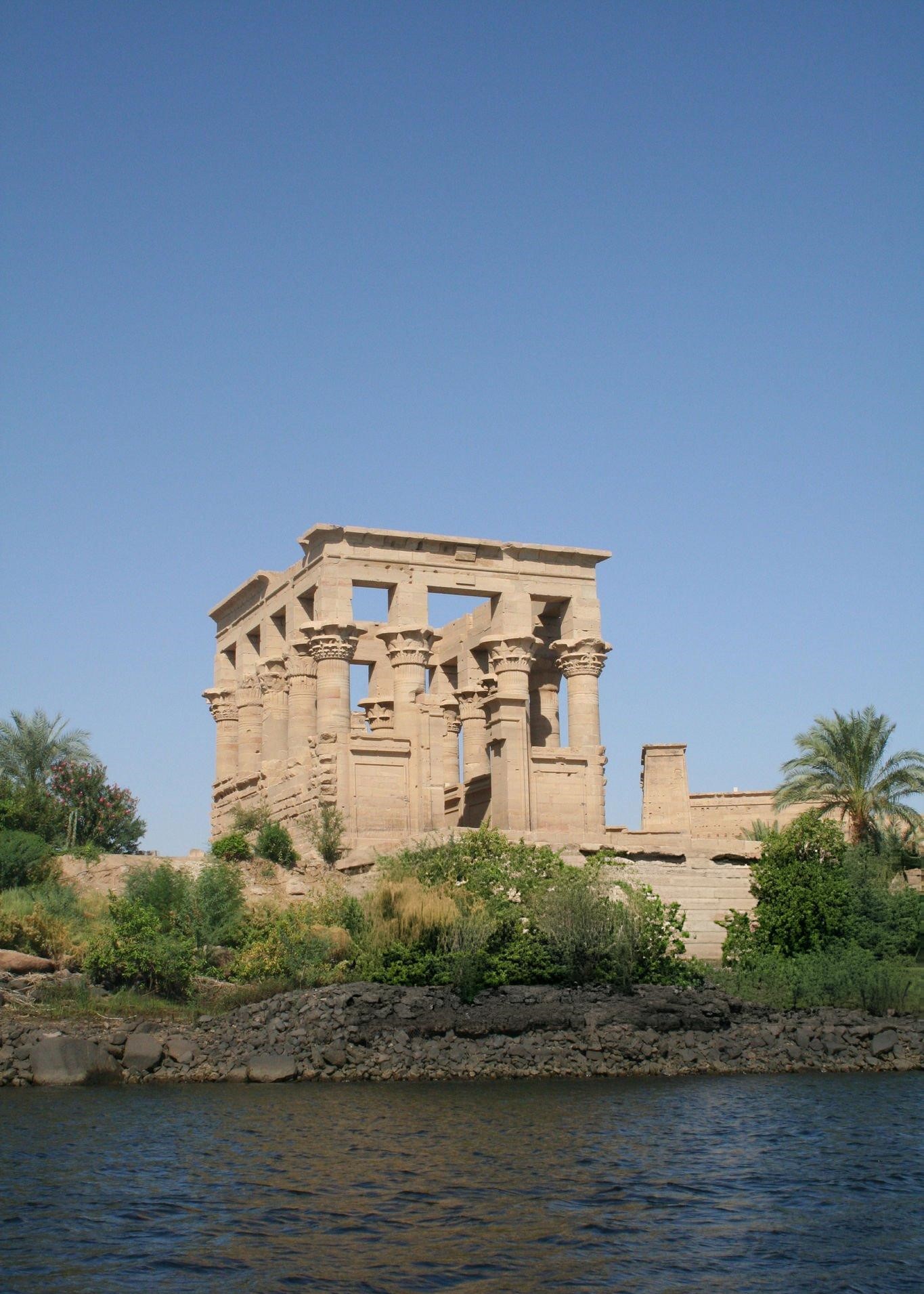
Si bien Egipto es conocido por sus icónicos templos, el Templo de Philae en la Isla de Agilkia ofrece una experiencia más aislada e íntima. Dedicado a la diosa Isis, este antiguo complejo de templos es una obra maestra de la arquitectura egipcia y el simbolismo religioso. Su pintoresco entorno en el río Nilo añade a su atractivo, accesible mediante un corto paseo en barco desde Asuán.

Explorando Templo de Philae Permite a los visitantes admirar sus exquisitos relieves, jeroglíficos y cámaras sagradas dedicadas a diversas deidades. La atmósfera tranquila del templo y su ubicación junto al río lo convierten en un retiro sereno lejos de los bulliciosos sitios turísticos, ideal para la contemplación y la fotografía.

5. Parque Nacional Ras Muhammad: Mundo Submarino

Si bien Egipto suele asociarse con sus paisajes desérticos, el Parque Nacional Ras Muhammad ofrece un sorprendente contraste con su belleza marina. Situado en el extremo sur de la península del Sinaí, esta reserva marina es un paraíso para los buceadores y aficionados al snorkel. Sus aguas cristalinas, sus vibrantes arrecifes de coral y su diversa vida marina lo convierten en una joya escondida para la exploración submarina.

Los visitantes de Ras Muhammad pueden embarcarse en excursiones de snorkel para explorar coloridos jardines de coral, encontrarse con especies de peces exóticos e incluso avistar tortugas marinas y delfines en su hábitat natural. Los paisajes submarinos del parque rebosan de vida, ofreciendo una visión fascinante del ecosistema marino del Mar Rojo.

Conclusión: Descubriendo los Tesoros Ocultos de Egipto

Las gemas ocultas de Egipto revelan un lado del país que va más allá de sus famosos monumentos y lugares de interés. Desde oasis tranquilos y ruinas antiguas hasta maravillas submarinas y templos serenos, estos tesoros escondidos ofrecen una conexión más profunda con la historia, la cultura y los paisajes naturales de Egipto. Al aventurarse fuera de los caminos trillados, los viajeros pueden descubrir los secretos que hacen de Egipto un destino verdaderamente encantador. Así que prepara tu sentido de la aventura y embarca en un viaje para descubrir los tesoros ocultos de esta tierra cautivadora.

Para cualquier consulta, contáctenos.
Playas en Egipto Descubre las mejores joyas costeras de las costas de Egipto.

Playas en Egipto: Tu Guía Definitiva de las Playas Egipcias

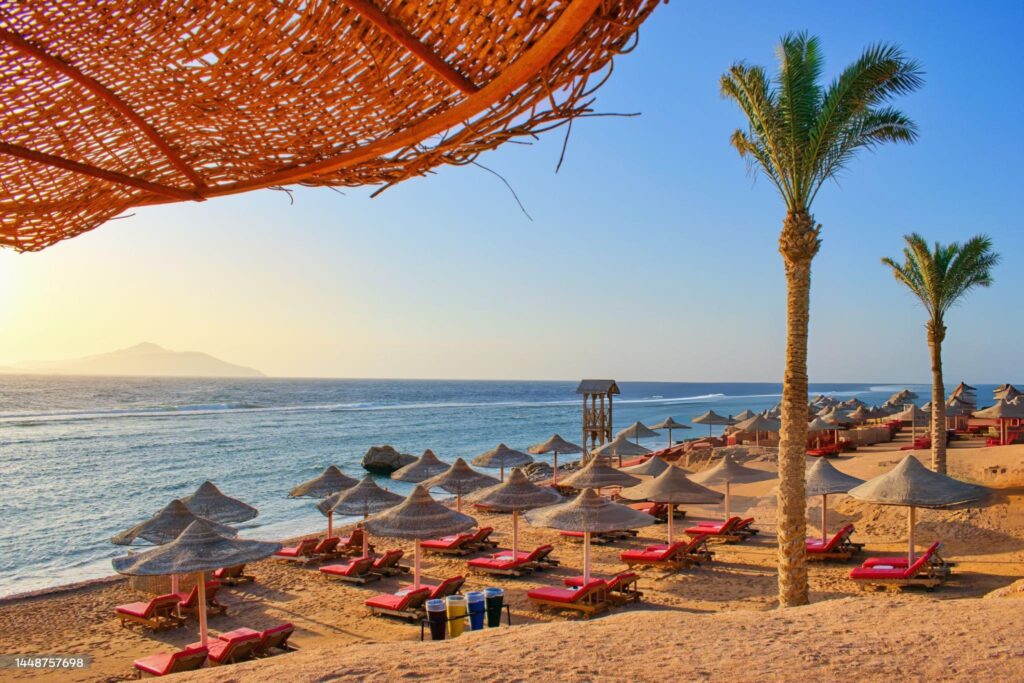
Las playas en Egipto son famosas por sus maravillas antiguas y su belleza majestuosa. Egipto alberga algunas de las playas más impresionantes del mundo. Desde las aguas azules del Mar Rojo hasta las costas doradas del Mediterráneo, Egipto ofrece una amplia gama de experiencias playeras para cada viajero. En esta guía definitiva, exploraremos las mejores playas en Egipto que muestran la belleza natural y el encanto costero del país.

1. Playas en Egipto, Sharm El Sheikh: Paraíso del Mar Rojo Beaches in Egypt

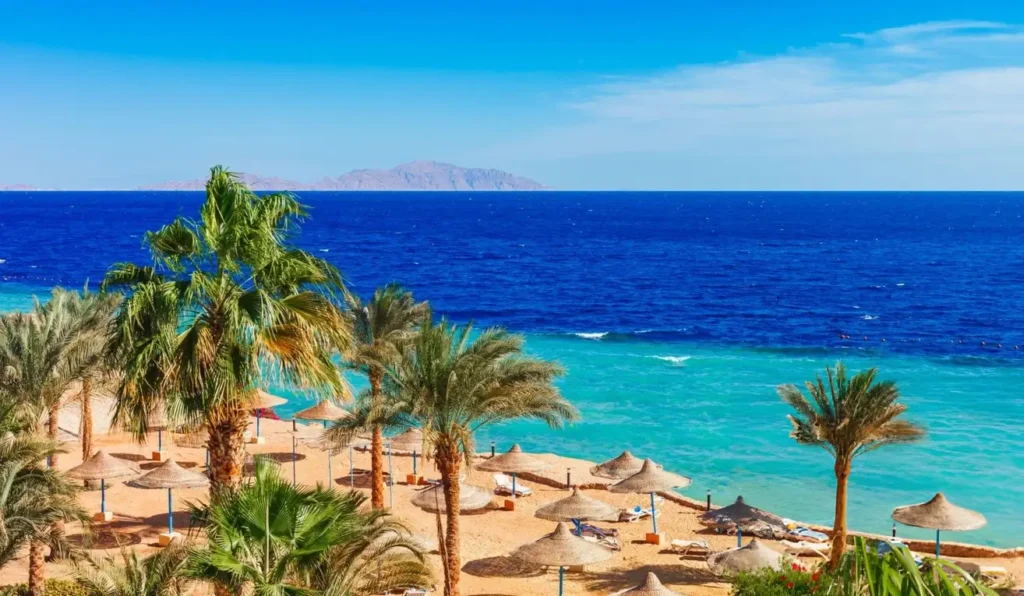
Ubicada en la punta sur de la península del Sinaí, Sharm El Sheikh es un paraíso para los amantes de la playa. Sus aguas cristalinas, vibrantes arrecifes de coral y suaves arenas blancas la convierten en un destino destacado para hacer snorkel, buceo y tomar el sol. Playas populares como Naama Bay y el Parque Nacional Ras Mohammed ofrecen vistas impresionantes y una variedad de actividades acuáticas. Ya sea que busques relajación o aventura, Sharm El Sheikh tiene algo para todos.

2. Hurghada: Paraíso playero en el Mar Rojo

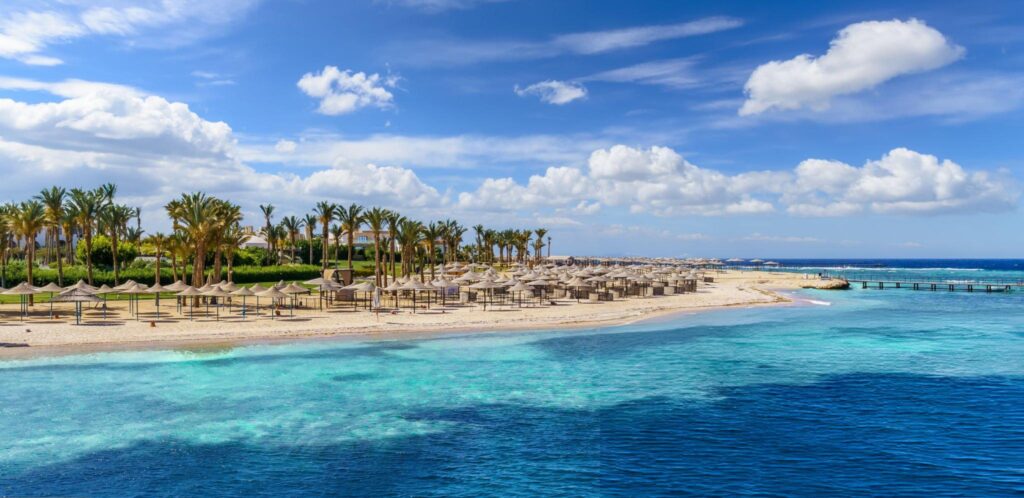
Hurghada Es otro tesoro a lo largo de la costa del Mar Rojo, conocido por sus playas prístinas y su vida marina vibrante. El Gouna y Sahl Hasheesh son áreas populares con lujosos resorts y playas privadas, perfectas para una escapada tranquila. Sumérgete en el colorido mundo submarino del Mar Rojo o simplemente relájate en las suaves arenas mientras disfrutas del sol egipcio.

3.Marsa Matrouh: Bienaventuranza Mediterránea

En la costa mediterránea de Egipto se encuentra Marsa Matrouh, una joya oculta con impresionantes playas y aguas turquesas. La playa de Cleopatra, nombrada en honor a la legendaria reina, cuenta con suaves arenas blancas y mares tranquilos ideales para nadar y hacer picnic en familia. La atmósfera relajada y la belleza escénica de Marsa Matrouh lo convierten en un favorito tanto entre los lugareños como entre los visitantes internacionales.

4. Alejandría: Encanto histórico junto al mar

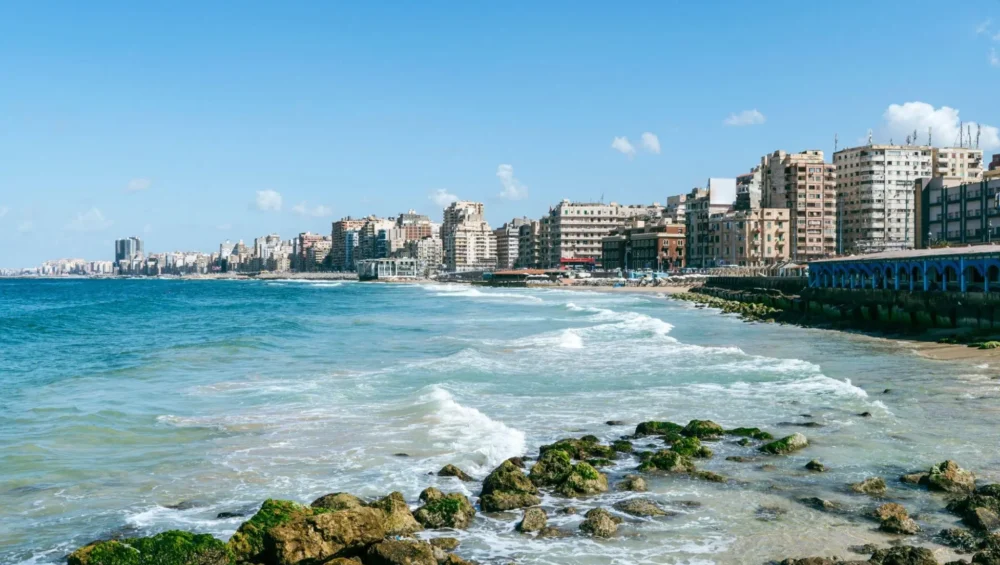
Conocido por su rica historia y patrimonio cultural, Alejandría "también ofrece hermosas playas a lo largo de su costa. La playa de Montazah y la playa de Stanley son opciones populares para lugareños y turistas que buscan un retiro junto al mar. Disfruta de un paseo tranquilo por la Corniche o date un capricho con mariscos frescos en uno de los restaurantes frente a la playa mientras contemplas las vistas del Mediterráneo."

5.Dahab: Paraíso del buceo

"Para los buceadores ávidos y amantes de la playa, Dahab es un destino imperdible en la costa del Mar Rojo en Egipto. Su ambiente relajado, arrecifes coloridos y el icónico Blue Hole atraen a aventureros de todo el mundo. Relájate en la playa, haz snorkel o sumérgete en las profundidades para una experiencia submarina inolvidable."

6.Península del Sinaí: Escapadas de Playa Variadas

La Sinaí La península es un tesoro de diversas escapadas playeras, ofreciendo algo para cada preferencia de viajero. La Laguna Azul de Dahab es un refugio sereno con aguas turquesas poco profundas, ideal para familias y buceadores con tubo. Para aquellos que buscan un paraíso aislado, las playas vírgenes y el ambiente relajado de Nuweiba proporcionan una tranquila retirada de las bulliciosas ciudades. Mientras tanto, las arenas doradas y las aguas claras de Taba ofrecen un escenario pintoresco para la relajación y las actividades junto al mar.

7. Marsa Alam: Belleza intocada en el Mar RojoBeaches in Egypt

Marsa Alam es una joya escondida a lo largo de la costa del Mar Rojo, conocida por sus playas prístinas y su abundante vida marina. La costa está salpicada de playas idílicas como Abu Dabbab y Marsa Mubarak, donde puedes encontrarte con majestuosas tortugas marinas y coloridos peces de arrecife mientras haces snorkel o buceo. La ubicación remota y la belleza natural de Marsa Alam lo convierten en un refugio para viajeros conscientes del medio ambiente y amantes de la naturaleza.

Conclusión: Explora la felicidad de las playas en Egipto

"Desde los vibrantes arrecifes de coral del Mar Rojo hasta las tranquilas ensenadas del Mediterráneo, las playas de Egipto ofrecen una amplia gama de experiencias para todos los amantes de la playa. Ya sea que busques relajación, aventura o exploración cultural, las gemas costeras de Egipto prometen una escapada memorable junto al mar. Así que prepara tu protector solar, toma tu toalla de playa y embarcate en una aventura playera en la tierra de los faraones y las pirámides."

Para cualquier consulta, contáctenos.
Tour de los Templos de Karnak y Luxor

Karnak and Luxor Temples’ Magnificent Mysteries

La Karnak and Luxor Temples are two of the most iconic and awe-inspiring ancient sites in Egypt. Located in Luxor, these temples have stood the test of time and remain a testament to the genius and vision of the ancient Egyptians. Both temples were constructed over thousands of years, and are dedicated to different gods and goddesses.

Exploring the Karnak Temple

La Templo de Karnak is the largest religious complex in the world, covering an area of over 200 acres. The temple was dedicated to the god Amun, and it was believed that the pharaohs could communicate with the gods through the priests who served at the temple. The temple complex was constructed over more than a thousand years, with work beginning in the Middle Kingdom around 2000 BC.

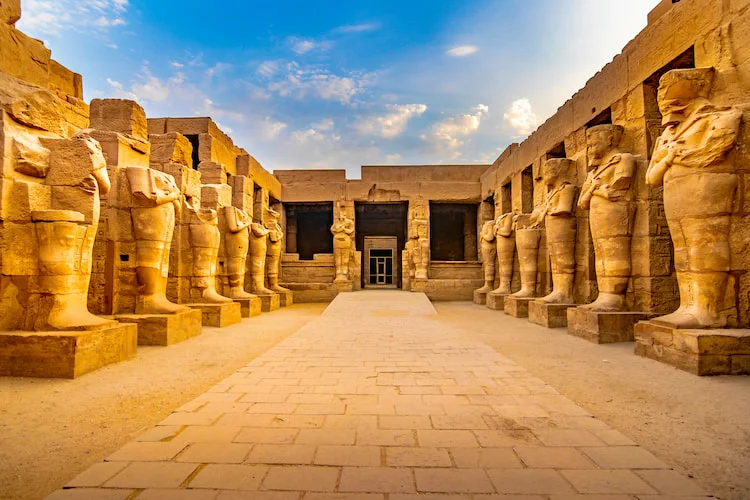
The Great Hypostyle Hall at the Karnak Temple is one of the most impressive architectural wonders of the ancient world. The hall contains 134 massive columns, some of which are over 70 feet tall, and is decorated with intricate carvings and hieroglyphics that depict scenes from ancient Egyptian mythology. The hall was constructed during the reign of Seti I and was completed by his son, Ramses II.

La Templo de Karnak also contains a sacred lake, which was used for ritual purification, as well as smaller shrines and chapels dedicated to various gods and goddesses. The temple complex also contains the Temple of Khonsu, the Temple of Ptah, and the Temple of Mut. These temples were added over the centuries, and each has its own unique features and architectural style.

In addition to its impressive size and architectural features, the Karnak Temple is also home to one of the largest collections of ancient Egyptian art and artifacts in the world. Visitors can see everything from statues and reliefs to jewelry and pottery, all of which offer a glimpse into the rich culture and history of ancient Egypt.

Uncovering the Secrets of the Luxor Temple

La Templo de Luxor is located just a short distance from the Karnak Temple and was constructed over a period of more than a thousand years, beginning in the 14th century BC. The temple was dedicated to the gods Amun, Mut, and Khonsu, and it was used for religious ceremonies throughout the New Kingdom period. The temple was also the site of the annual Opet Festival, which celebrated the god Amun’s journey from Karnak to Luxor.

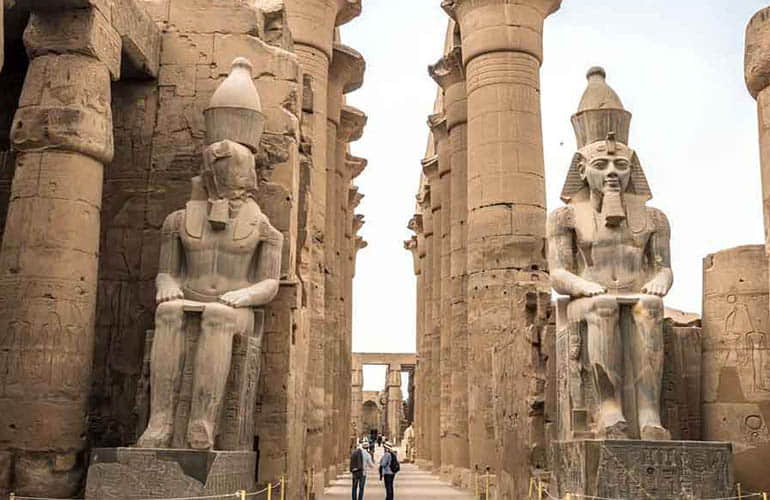
One of the most impressive features of the Luxor Temple is the pylon entrance, which was constructed during the reign of Ramses II. The entrance is flanked by two massive statues of Ramses II, which are over 60 feet tall. Visitors can also explore the colonnaded courtyard, which contains numerous columns with intricate carvings and hieroglyphics.

Inside the temple, visitors can see various sanctuaries and chapels dedicated to different gods and goddesses, including the Chapel of Alexander the Great, which was added by the Greeks during their occupation of Egypt. The temple also contains a barque shrine, which was used to transport the statues of the gods during the Opet Festival.

The Luxor Temple is also home to the Avenue of Sphinxes, a long path that was once lined with hundreds of sphinx statues. The avenue originally connected the Luxor Temple to the Karnak Temple, and visitors can still see some of the remaining sphinxes today.

A Journey Through Time

Visiting the Karnak and Luxor Temples is like taking a journey through time, back to a world that was vastly different from our own. These temples offer a glimpse into the rich culture and history of ancient Egypt, and they remind us of the incredible achievements of the ancient Egyptians.

Walking through these temples, visitors can imagine what life was like for the pharaohs and priests who served here. They can see the intricate carvings and hieroglyphics that tell the stories of ancient Egyptian mythology, and they can marvel at the size and complexity of these ancient structures.

But the Karnak and Luxor Temples are more than just relics of the past. They are living testaments to the ingenuity and creativity of the human spirit, and they remind us of the power of faith and the enduring legacy of ancient civilizations.

In conclusion, the Karnak and Luxor Temples are two of the most impressive ancient sites in the world, offering visitors a glimpse into the rich history and culture of ancient Egypt. These temples are a testament to the ingenuity and skill of the ancient Egyptians, who were able to construct such impressive structures over thousands of years. A visit to these temples is a journey through time, an opportunity to immerse oneself in the mysteries of ancient Egypt and to marvel at the incredible achievements of the human spirit.


Day tour to Valley of the Kings, Hatshepsut Temple, and Colossi of Memnon - West Bank Of Luxor -

West Bank Of Luxor: Exploring Ancient Egypt

The Valley of the Kings, Hatshepsut Temple, and Colossi of Memnon are three of the most remarkable and well-known ancient Egyptian sites located on the west bank of the Nile River in Luxor. These sites offer a glimpse into the fascinating history and culture of ancient Egypt.

The Valley of the Kings

The Valley of the Kings is a vast burial complex that contains the tombs of pharaohs and their consorts. It was used for burials from the 16th to the 11th century BCE and is situated in the heart of the Theban Necropolis. The valley is known for its elaborate and well-preserved tombs, including the tomb of Tutankhamun, the boy king, and the tomb of Seti I, which is one of the largest in the valley.

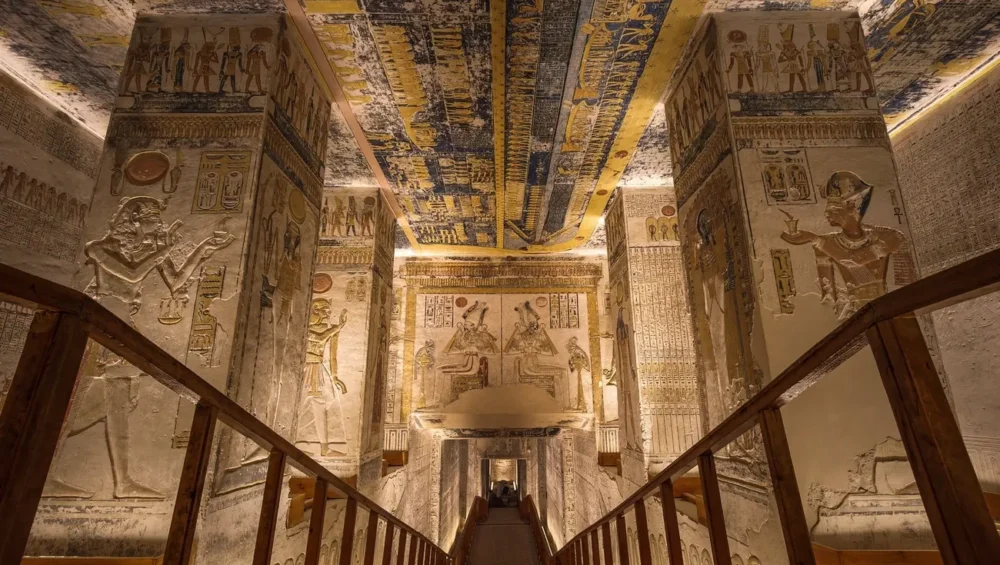
The tombs in the Valley of the Kings were constructed to protect the bodies of pharaohs and their treasures in the afterlife. The tombs are decorated with elaborate paintings and hieroglyphics that depict the pharaoh’s life and journey through the afterlife. The walls of the tombs are covered with depictions of the pharaoh’s journey through the underworld, the gods they encountered, and the obstacles they had to overcome.

The tomb of Tutankhamun is one of the most popular tombs in the valley. It was discovered in 1922 by British archaeologist Howard Carter and is known for its incredible treasures, including the famous golden mask of Tutankhamun. The tomb is relatively small compared to other tombs in the valley, but it is filled with stunning paintings and hieroglyphics.

Templo de Hatshepsut

The nearby Templo de Hatshepsut is one of the most remarkable examples of ancient Egyptian architecture. It was built by Queen Hatshepsut, who was one of the few female pharaohs of ancient Egypt. The temple is carved out of a cliff face and has three levels of terraces connected by ramps. The temple is known for its stunning hieroglyphics, statues, and reliefs that depict the queen’s accomplishments and her divine birth.

The temple was built to honor the god Amun-Ra and to commemorate the queen’s reign. The temple is divided into three sections, including the upper terrace, middle terrace, and lower terrace. The upper terrace is home to the temple’s most impressive features, including the chapel of Hathor and the queen’s mortuary temple.

The middle terrace is home to the temple’s main entrance and the colonnaded hall, which is decorated with stunning reliefs depicting the queen’s expedition to the land of Punt. The lower terrace is home to the temple’s main courtyard and the Sanctuary of Amun, which was the most sacred part of the temple.

The Colossi of Memnon

La Colosos de Memnón are two massive statues of the pharaoh Amenhotep III that have stood in the Theban Necropolis for over 3,400 years. The statues are made of quartzite sandstone and stand at around 18 meters tall. They are believed to have guarded the entrance to the pharaoh’s mortuary temple, which has since been destroyed.

The Colossi of Memnon are a popular tourist attraction in Luxor and are known for their impressive size and age. The statues were damaged by earthquakes and floods over the centuries, but they have been restored and are now a popular spot for visitors to take photos.

Conclusión

Overall, the Valley of the Kings, Hatshepsut Temple, and Colossi of Memnon offer a fascinating glimpse into the ancient history and culture of Egypt. These sites are a testament to the incredible accomplishments of the ancient Egyptians and their dedication to preserving their history and cultural heritage.

Visitors to these sites can learn about the pharaohs and their beliefs about the afterlife, as well as the architecture and artistry of ancient Egypt. The sites also offer stunning views of the surrounding landscape, including the Nile River and the desert hills.

It is recommended to visit these sites with a knowledgeable guide who can provide historical and cultural insights into the sites and their significance. Visitors should also wear comfortable clothing and shoes, bring sunscreen, a hat, and plenty of water, as the temperature can be quite hot, especially during the summer months.

In conclusion, the Valley of the Kings, Hatshepsut Temple, and Colossi of Memnon are must-see attractions for anyone interested in ancient history and culture. These sites offer an incredible insight into the world of the ancient Egyptians and their remarkable achievements. Visitors to Luxor should take the time to explore these sites and appreciate the incredible legacy of one of the world’s greatest civilizations.


Templo de Dendera

Dendera: Egypt’s Best-Preserved Temple Complex

Dendera is a small city situated on the west bank of the Nile River in Egypt’s Qena Governorate. The city is renowned for its ancient temple complex, the Dendera Temple Complex, which is considered one of the best-preserved temples from ancient Egypt. The temple complex is dedicated to Hathor, the goddess of love, beauty, fertility, and music, and is one of the most important places of worship in ancient Egypt.

The Dendera Temple Complex

The Dendera Temple Complex spans an area of approximately 40,000 square meters and comprises various structures, including the Temple of Hathor, the Temple of the Birth of Isis, the Temple of the Sacred Lake, the Mammisi, and other smaller shrines and chapels. The temple complex dates back to the Ptolemaic period and was built over an earlier temple that was destroyed by fire. The construction of the temple complex began in the 2nd century BC and continued over several centuries, with further additions and renovations carried out by subsequent Ptolemaic rulers and Roman emperors.

The Temple of Hathor

The Temple of Hathor is the most significant structure in the complex and is the best-preserved. The temple is situated on a raised platform, and its walls and columns are adorned with intricate reliefs and carvings that depict various scenes from Egyptian mythology. The temple also features several halls, chambers, and sanctuaries, each with its unique architectural and decorative features. The hypostyle hall is the most notable of these chambers, supported by 24 columns, each adorned with images of Hathor.

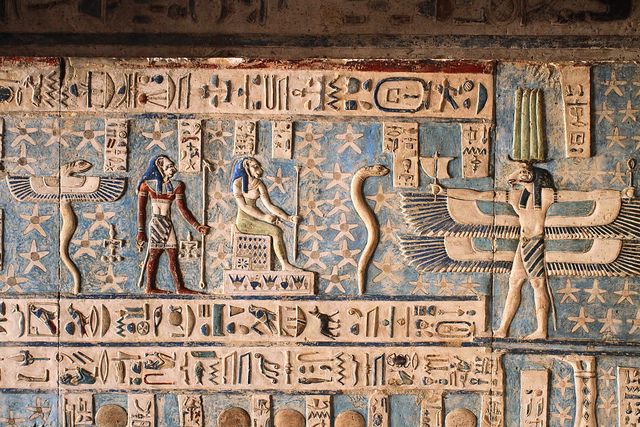
One of the most striking features of the Temple of Hathor is its astronomical ceiling, considered one of the most significant astronomical representations from ancient Egypt. The ceiling is divided into seven sections, each depicting different astronomical phenomena, including the constellations, planets, and zodiac. The central section of the ceiling features a depiction of the sky goddess Nut, who is shown arching over the earth with her body covered in stars.

Temple of the Birth of Isis

Another notable structure in the Dendera Temple Complex is the Temple of the Birth of Isis, located north of the main temple and dedicated to the goddess Isis, believed to have been born in Dendera. The temple is built in the traditional Egyptian style and features a sanctuary, a hypostyle hall, and a courtyard. The walls of the temple are adorned with reliefs and carvings depicting scenes from the life of Isis, including her birth, her marriage to Osiris, and her role as the mother of Horus.

The Temple of the Sacred Lake

The Temple of the Sacred Lake is another significant structure in the complex and was believed to have been used for ritual purification ceremonies. The temple is built around a large rectangular lake, which was believed to have been the home of Hathor. The temple features several chambers and sanctuaries, each with its unique architectural and decorative features. The walls of the temple are adorned with reliefs and carvings depicting scenes from the life of Hathor, including her role as the goddess of love, music, and fertility.

The Mammisi

La Mammisi is another important structure in the Dendera Temple Complex, located south of the main temple, and built to commemorate the birth of the god Horus. The Mammisi is a small chapel that features a sanctuary, a hypostyle hall, and a courtyard. The walls of the chapel are adorned with reliefs and carvings depicting scenes from the life of Horus, including his birth, his childhood, and his victory over the god Set.

The Dendera Temple Complex also houses several other smaller shrines and chapels, each dedicated to various Egyptian gods and goddesses, including Osiris, Anubis, and Khonsu.

Significance of Dendera Temple Complex

Apart from its historical and cultural significance, the Dendera Temple Complex is an important site for the study of ancient Egyptian religion and astronomy. The astronomical ceiling of the Temple of Hathor, in particular, has attracted the attention of astronomers and Egyptologists for many years and is widely regarded as one of the most important astronomical representations from ancient Egypt.

Despite the challenges faced by the Dendera Temple Complex over the years, including natural disasters, looting, and vandalism, the Egyptian government has taken significant steps towards its preservation and protection, including restoration work and increased security measures. The temple complex is now open to visitors and is a popular tourist destination for people from all over the world.

Conclusión

In conclusion, the Dendera Temple Complex is an impressive ancient temple complex that honors Hathor, the goddess of love, beauty, fertility, and music. The complex comprises several structures, including the Temple of Hathor, the Temple of the Birth of Isis, the Temple of the Sacred Lake, the Mammisi, and smaller shrines and chapels. It is significant for its contributions to the study of ancient Egyptian religion and astronomy, as well as its importance to preserving ancient Egyptian art, culture, and history. Despite its challenges, the temple complex remains a popular tourist destination and serves as a vital cultural resource for future generations.

Templo de Abydos

Abydos: Ancient Egyptian Religious Center

Abydos, located in Upper Egypt, is an ancient city that played a significant role in the religious beliefs of ancient Egyptians. The city’s origins date back to the pre-dynastic period, around 4000 BCE, where it was known as Abdju and considered a sacred site due to its association with Osiris, the god of the afterlife.

Temple of Seti I

As the pharaohs of the Old Kingdom period (2686-2181 BCE) rose to power, Abydos became an increasingly important religious center. The pharaohs built many temples and shrines in the city, including the Temple of Seti I. Seti I, who ruled from 1290 to 1279 BCE, was a renowned builder and commissioned the construction of many impressive structures, including the Temple of Seti I.

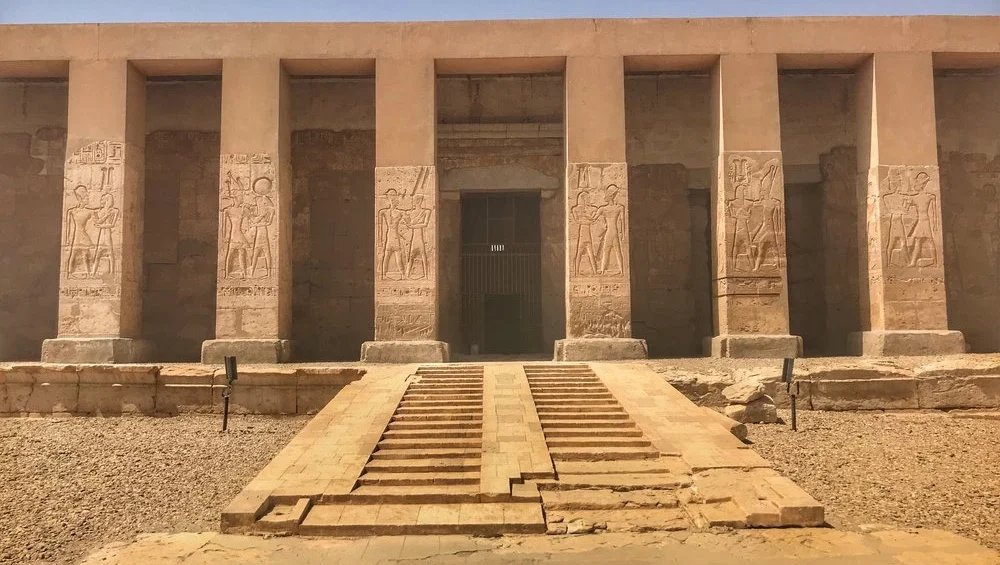
La Temple of Seti I is one of the most impressive structures in Abydos. Built during the New Kingdom period (1550-1070 BCE), it is dedicated to Osiris and comprises several courtyards, halls, and chambers, decorated with beautiful reliefs and paintings. The temple’s most famous feature is the Abydos King List, inscribed on its walls during the reign of Seti I. This list is a valuable historical document that lists the pharaohs of Egypt from the first dynasty to the 19th dynasty, providing important information about ancient Egypt’s rulers.

The Osireion

The Osireion is another impressive structure in Abydos that was built during the reign of Seti I. This mysterious temple’s purpose is unknown, but it is believed to have been built to resemble the tomb of Osiris. The Osireion is a massive underground structure with several columns over 10 meters tall. It is decorated with beautiful reliefs and paintings and is believed to have been used for religious rituals and ceremonies.

The cult of Osiris

The cult of Osiris was one of the most important religious beliefs in ancient Egypt, and Abydos was its center. Osiris was the god of the afterlife, and his murder by his brother Set and subsequent resurrection were central to the cult’s beliefs. The cult of Osiris was popular in ancient Egypt, and many people came to Abydos to seek his blessings. The city was considered a sacred site, and those buried in Abydos were believed to be protected by Osiris.

Conclusión

In conclusion, Abydos is an essential part of ancient Egyptian history and culture. Its impressive structures, such as the Temple of Seti I and the Osireion, provide valuable insights into ancient Egyptian architecture and religion. The city’s association with the cult of Osiris adds to its significance, making it a must-visit destination for anyone interested in ancient Egyptian history.

Fayoum Oasis

Discovering the Beauty of Fayoum Oasis in Egypt

The Fayoum Oasis, located in the western desert of Egypt, is a captivating destination that offers visitors an insight into the region’s rich cultural heritage and historical significance. Spread over a vast area, this oasis is a depression in the desert that was formed due to the Nile River’s changing course over thousands of years. Known for its fertile soil and abundant water resources, the Fayoum Oasis has been an important agricultural center since ancient times. The region is also home to natural and man-made lakes that add to its beauty and allure, including the largest lake in Egypt, Lake Qarun.

Wadi El-Rayan

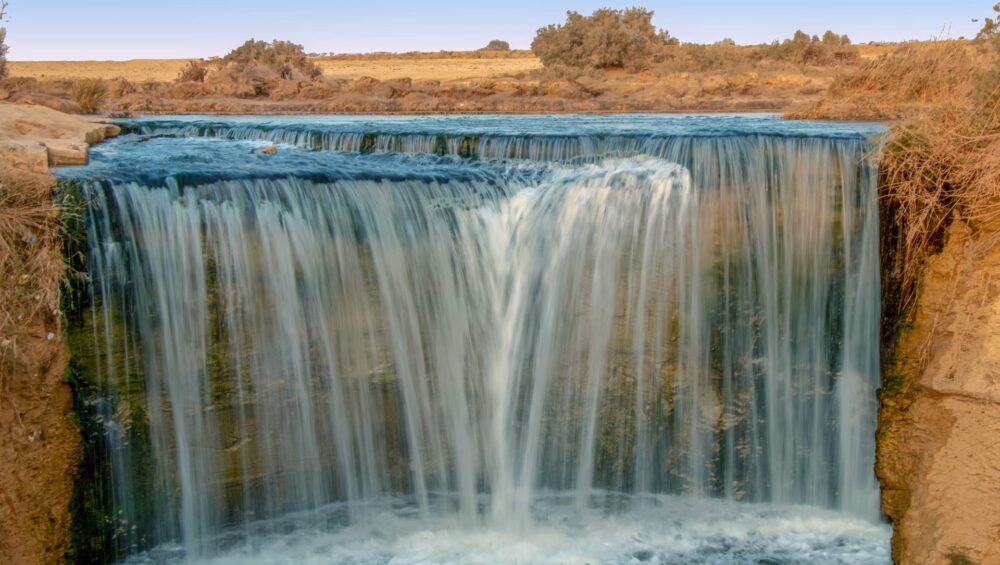
One of the most popular attractions in the Fayoum Oasis is the Wadi El-Rayan Protected Area. It is a nature reserve that features two stunning lakes connected by a waterfall. Visitors can indulge in a range of activities such as hiking, swimming, and even boating to explore the area’s beauty and wildlife. The reserve is home to various species such as gazelles, foxes, and a variety of birds. The hot springs in the area are also popular among visitors for their therapeutic properties.

Ciudad de Karanis

Ancient ruins and historical sites in the Fayoum Oasis attract tourists from all over the world. The ancient city of Karanis, dating back to the 3rd century BC, is a significant historical site that offers a glimpse into the region’s past. The city was once a flourishing center of commerce and agriculture, and visitors can still explore the remains of its temples, houses, and public buildings. The site also features a museum that displays various artifacts from the city’s past, including pottery, jewelry, and tools.

City of Tunis

Tunis is another city in the Fayoum Oasis that attracts tourists for its charming streets and historical buildings. Visitors can experience traditional Egyptian culture and hospitality by exploring the city’s markets, sampling local cuisine, and even taking a cooking class to learn how to make traditional dishes like koshari and ful medames.

Wadi Al-Hitan

For adventure seekers, the Fayoum Oasis offers a range of outdoor activities, including hiking, camping, and sandboarding. The sand dunes in the area are a popular spot for sandboarding, and visitors can also enjoy the breathtaking views from the top of the dunes. There are several hiking trails in the oasis, including the Wadi Al-Hitan Trail, which takes visitors through a beautiful canyon and past ancient fossils and rock formations.

Montaña de Mudawara

One of the most unique attractions in the Fayoum Oasis is the Montaña de Mudawara, which is believed to have healing properties and is a popular destination for spiritual seekers. Visitors can hike to the top of the mountain, where they will find a small mosque and a number of caves and grottoes that are considered holy sites.

Cuisine of the Fayoum Oasis

La cuisine of the Fayoum Oasis is another highlight of the region. The local dishes are delicious and hearty, typically made with fresh vegetables, meat, and spices. Feteer, a type of Egyptian pastry filled with cheese or meat, and mouloukhiya, a stew made with a leafy green vegetable and meat, are some of the most popular dishes.

Conclusión

In conclusion, the Fayoum Oasis is a truly unique and fascinating destination that offers visitors an opportunity to explore the rich history and culture of Egypt. With its stunning landscapes, ancient ruins, and friendly locals, the oasis is an ideal destination for anyone interested in discovering the country’s diverse and vibrant culture. From relaxation and rejuvenation to adventure sports and historical exploration, the Fayoum Oasis has something for everyone.