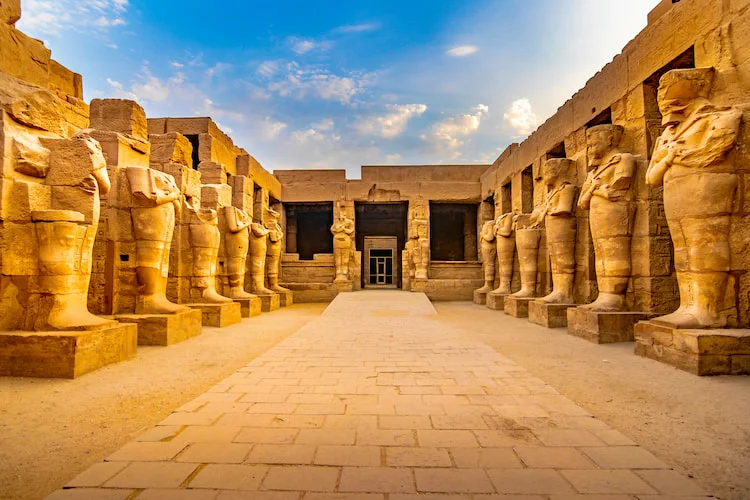
Tour dei Templi di Karnak e Luxor

Templi egiziani: Splendore senza tempo e risonanza spirituale

Esplorare i Misteri e le Meraviglie dei Templi Egizi

I templi egiziani sono simboli duraturi di una civiltà immersa nel misticismo, nella mitologia e nell'architettura monumentale. Queste antiche strutture, sparse per il paesaggio egiziano, custodiscono tra le loro pareti i segreti di un'era passata, invitandoci a svelare i misteri dei faraoni e dei loro dei.

Il Cuore Spirituale dell'Antico Egitto

Nell'ampia distesa del deserto egiziano, tra le sabbie del tempo, giacciono i resti dei templi che un tempo pulsavano di energia spirituale. Questi templi non erano semplici edifici ma spazi sacri dove il divino si intersecava con il regno mortale. Dalla grandiosità del Tempio di Luxor all'attrattiva enigmatica del Tempio di Kom Ombo, ogni sito racconta una storia unica di devozione, potere e credenza.

Il Tempio di Luxor: Testimonianza dello Splendore Faraonico

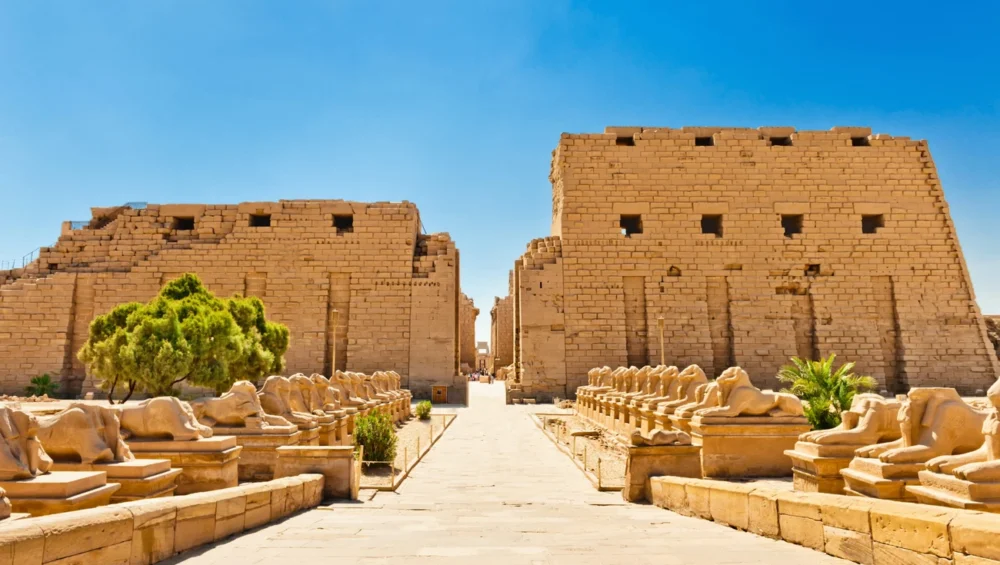
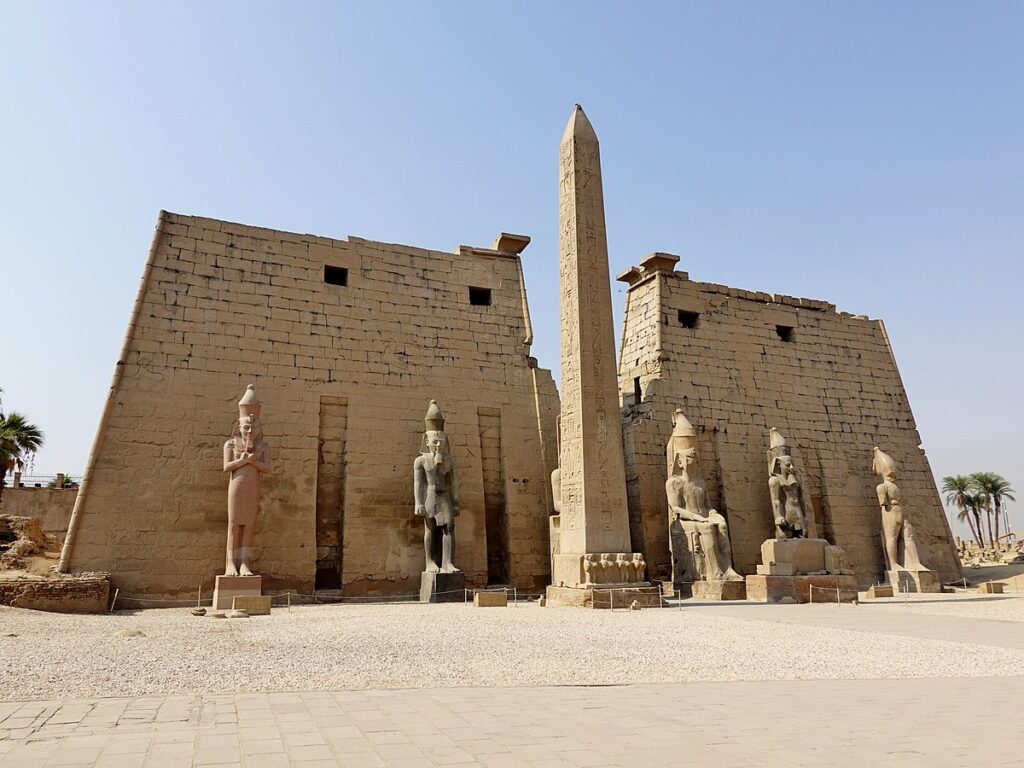
Il Tempio di Luxor"Dedicato al dio Amun-Ra, è un testamento della grandezza e dello splendore del Nuovo Regno. I suoi colossali piloni, obelischi imponenti e mura finemente intagliate testimoniano la devozione dei faraoni agli dei e il loro desiderio di immortalità. L'Avenue of Sphinxes, che collega il tempio al Complesso del Tempio di Karnak, risuona con i passi degli antichi pellegrini e sacerdoti, portando sussurri di antichi rituali e cerimonie."
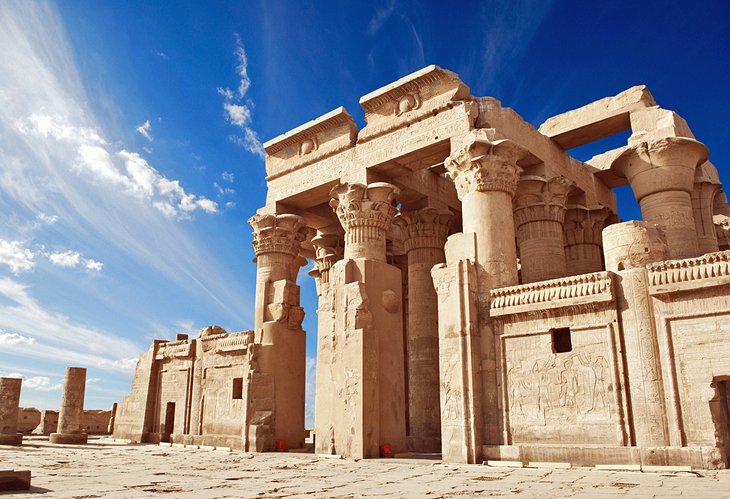
L'Enigmatico Tempio di Kom Ombo

Aggrappato sulle rive del Nilo, Il Tempio di Kom Ombo Presenta una dualità unica nel suo design e scopo. Dedicato al dio coccodrillo Sobek e al dio falco Horus, questo tempio riflette le complesse credenze degli antichi egiziani e il loro rispetto per la natura. Le entrate, le sale e i santuari doppi all'interno del tempio simboleggiano l'equilibrio tra forze opposte, incarnando la coesistenza armoniosa dei regni divini.
Egyptian Temples

Svelare narrazioni mitologiche

Le pareti dei Templi Egizi sono adornate da vivide rappresentazioni di narrazioni mitologiche, immortalizzando le epiche storie di dei, dee e figure eroiche. Scene di creazione, battaglie divine e il viaggio dell'anima nell'aldilà adornano le camere del tempio, offrendo visioni della cosmologia e della visione del mondo degli antichi Egizi. Le iscrizioni geroglifiche, scolpite meticolosamente da artigiani esperti, preservano la saggezza e la conoscenza di una civiltà che venerava la parola scritta.

Eredità e Influenza Culturale

"Il lascito dei Templi Egizi si estende oltre la loro magnificenza architettonica. Hanno lasciato un'impronta indelebile nell'arte, nella letteratura, nella religione e nella filosofia attraverso culture e secoli. La fascinazione per l'antico Egitto, alimentata dalle scoperte di templi e manufatti, continua a ispirare studiosi, artisti e avventurieri, accendendo una passione per l'esplorazione e la scoperta."

Sfide della conservazione e sforzi di conservazione

Preservare i templi egiziani è un'impresa complessa che richiede una pianificazione meticolosa, competenze scientifiche e coinvolgimento della comunità. Il cambiamento climatico, l'inquinamento, l'espansione urbana e l'impatto del turismo rappresentano significativi ostacoli per questi antichi monumenti. Le iniziative di conservazione, come la mappatura digitale, la stabilizzazione strutturale e le pratiche turistiche sostenibili, sono essenziali per salvaguardare l'integrità e l'autenticità dei templi egiziani per le generazioni future.

Spazi sacri e rituali

Nel cuore dei Templi Egizi si trovavano spazi sacri dove si svolgevano rituali e cerimonie in una sinfonia di visioni, suoni e simbolismo. Sacerdoti, vestiti con elaborati abiti cerimoniali, compivano riti per onorare gli dei, cercare guida divina ed assicurare la prosperità del regno. Offerte di cibo, incenso e preziosi artefatti venivano presentate in cerimonie meticolosamente coreografate che riecheggiavano l'ordine cosmico creduto governare l'universo.Tour dei Templi di Karnak e Luxor
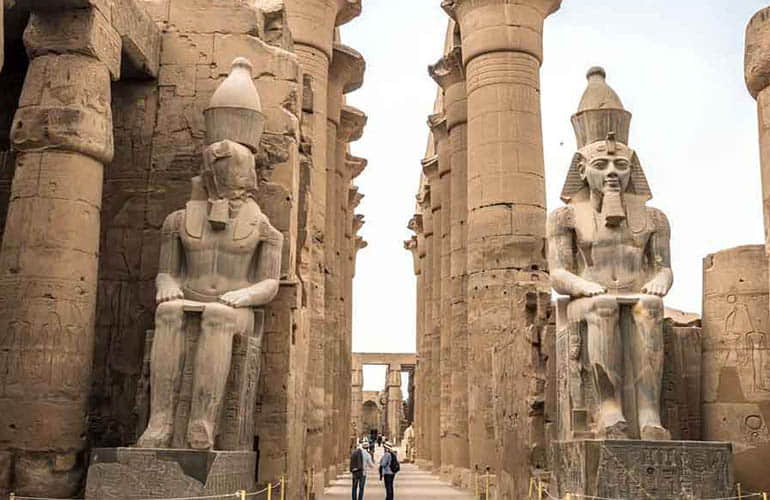
Un viaggio attraverso il tempo e la convinzione

Mentre intraprendiamo un viaggio attraverso i Templi Egiziani, ci immergiamo in un viaggio di scoperta e meraviglia. Ogni tempio racconta una storia di fede, ingegnosità e aspirazione umana, invitandoci a contemplare i misteri dell'esistenza e il nostro posto nel cosmo. Attraverso il turismo responsabile e gli sforzi continui di conservazione, possiamo garantire che questi tesori senza tempo perdurino come fari di saggezza e ispirazione per le generazioni future.

Riferimenti:

  1. Hawass, Zahi. I tesori di Luxor e la Valle dei ReAmerican University in Cairo Press, 2019.
  2. Baines, John, e Jaromir Malek. L'Atlante Culturale dell'Antico Egitto. Facts on File, 2000.
  3. Verner, Miroslav. Templi dell'Antico EgittoThames & Hudson, 1997.
    Per qualsiasi domanda, contattaci.
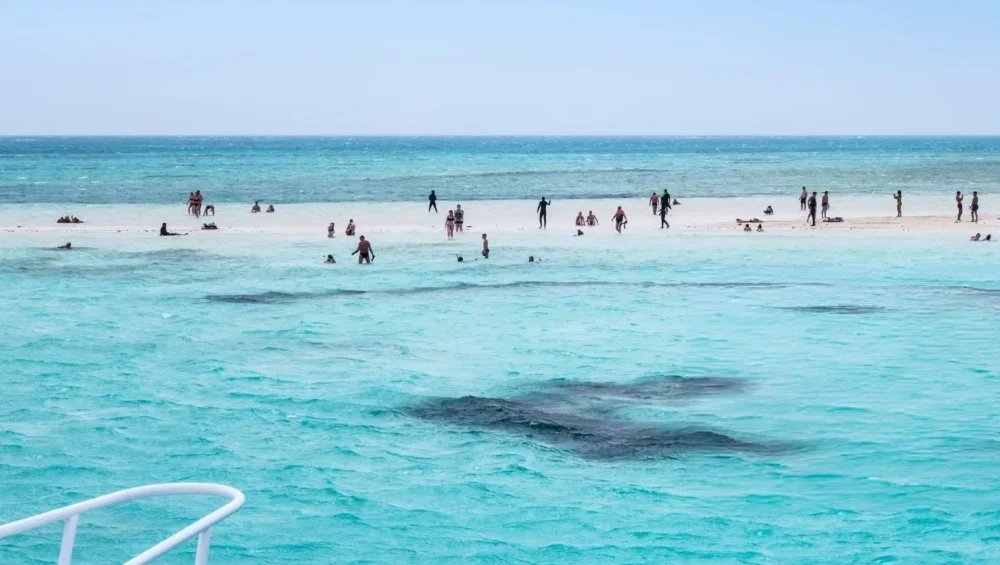
White Island

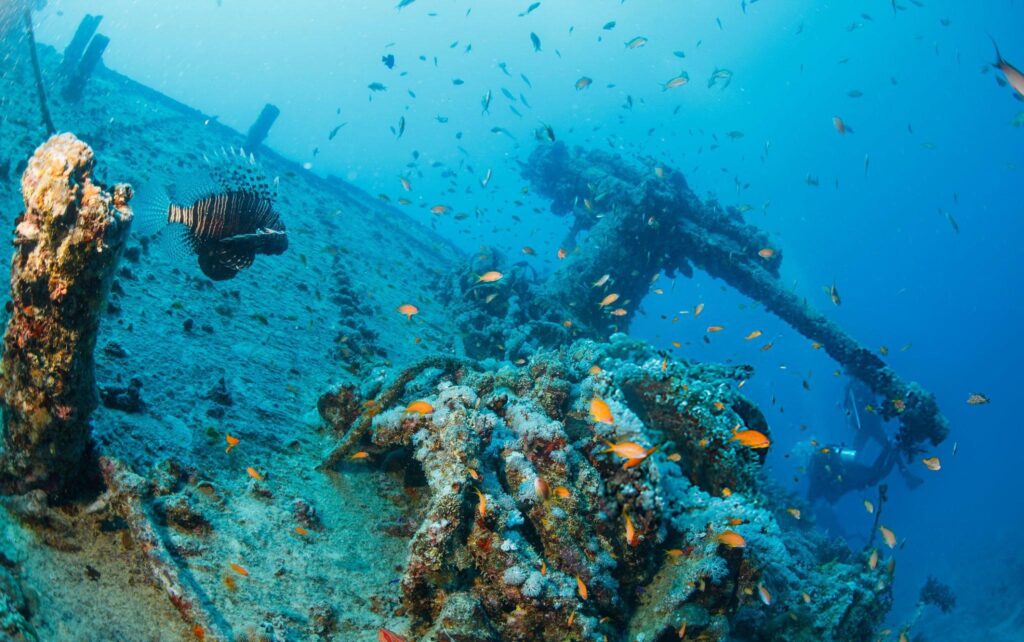
Snorkeling in Egitto: I 7 migliori luoghi per fare snorkeling in Egitto

Snorkeling in Egitto: I 7 migliori luoghi per fare snorkeling in Egitto

L'Egitto è rinomato non solo per le sue antiche piramidi e la sua ricca storia, ma anche per il suo incredibile mondo subacqueo che attende di essere esplorato. Lo snorkeling in Egitto è un'esperienza affascinante, con acque cristalline, vividi coralli e una variegata fauna marina. Se stai pianificando un'avventura di snorkeling in Egitto, ecco i migliori 7 luoghi da aggiungere al tuo itinerario:

  1. Parco Nazionale Ras Mohammed :Situato vicino a Sharm El Sheikh, Parco Nazionale Ras Mohammed : È un paradiso per gli appassionati di snorkeling. Le sue acque cristalline sono ricche di colorati reef di corallo, pesci tropicali e persino avvistamenti occasionali di delfini. Il parco offre diversi siti per lo snorkeling, ognuno mostrando ecosistemi marini unici.
    Snorkeling in Egypt
  2. Isola Giftun :Situato vicino a Hurghada, Isola Giftun : È rinomato per le sue spiagge incontaminate e le eccellenti opportunità di snorkeling. Esplora i giardini subacquei pieni di pesci esotici, razze e talvolta anche tartarughe marine. Le formazioni coralline vibranti rendono questo luogo una tappa imperdibile per gli appassionati di snorkeling di tutti i livelli.
  3. Isola di Tira: Un altro gioiello vicino a Sharm El Sheikh, l'Isola di Tiran vanta alcuni dei più spettacolari reef del Mar Rosso. Tuffati nelle sue acque azzurre per incontrare un caleidoscopio di vita marina, dai colorati pesci angelo ai maestosi squali di barriera. L'Isola di Tiran promette un'esperienza di snorkeling indimenticabile.
  4. Abu Dabbab :Situato vicino a Marsa Alam, Abu Dabbab è famoso per i suoi dugong residenti, anche conosciuti come mucche marine. Gli snorkelisti possono nuotare accanto a questi gentili giganti oltre ad esplorare i vivaci giardini di corallo e il mondo sottomarino della zona.
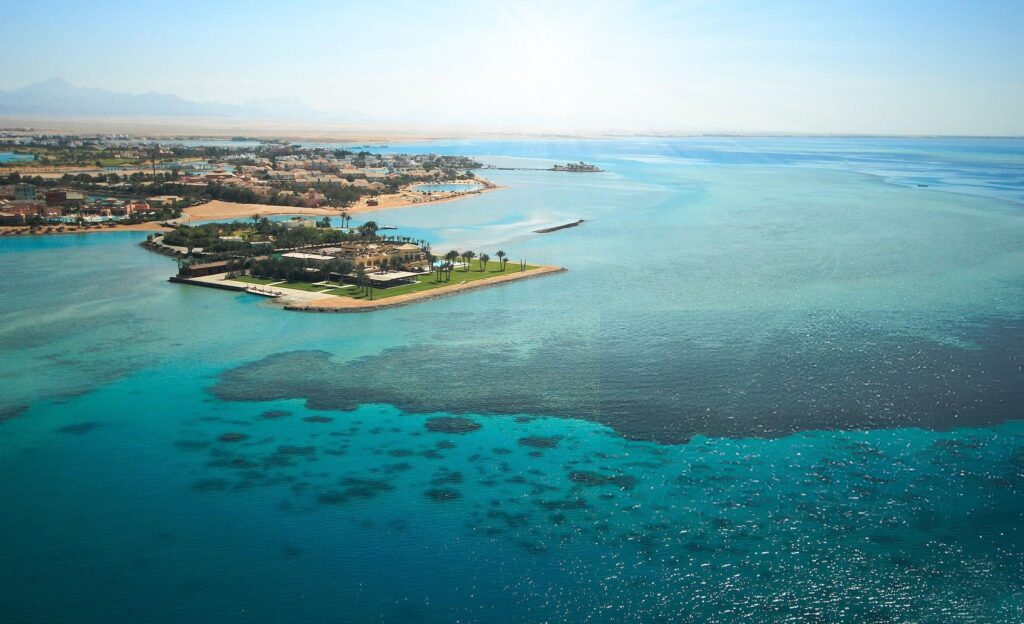
  5. El Gouna :Questa Mar Rosso La località turistica offre fantastiche opportunità per fare snorkeling proprio al largo delle sue coste. I reef corallini sono facilmente accessibili, rendendo El Gouna un luogo ideale per famiglie e principianti. Stai attento ai pesci pappagallo, pesci pagliaccio e altre specie colorate.
  6. Dahab :Conosciuta per il suo ambiente rilassato e per i suoi fantastici siti di immersione, Dahab è anche una destinazione fantastica per gli amanti dello snorkeling. Il Blue Hole, un sito di immersione di fama mondiale, offre uno spettacolare paesaggio sottomarino, con pareti di corallo e un'abbondanza di vita marina visibile anche dalla superficie.
  7. Baia di Makadi :Incastonata tra Hurghada e Safaga, Makadi Bay è una gemma nascosta per gli appassionati di snorkeling. Le sue acque calme e gli habitat marini diversificati attirano i snorkelisti in cerca di incontri con tartarughe marine, coralli colorati e scuole di pesci tropicali.
  8. Esplorando le meraviglie subacquee dell'Egitto: Il fascino dell'Egitto come destinazione turistica si estende ben oltre i suoi antichi monumenti e paesaggi desertici. Lungo la sua costa si trova un mondo di colori vibranti, ricco di vita sotto la superficie del Mar Rosso. Lo snorkeling in Egitto offre una prospettiva unica su questo regno sottomarino, dove ogni immersione rivela una nuova scoperta. Una delle principali destinazioni per gli appassionati di snorkeling è il Parco Nazionale di Ras Mohammed, un santuario marino vicino a Sharm El Sheikh. Qui, la convergenza delle acque calde del Golfo di Aqaba e del Golfo di Suez crea un ambiente ideale per la crescita dei coralli e la biodiversità marina. Gli snorkeler possono scivolare su giardini di corallo abitati da una sorprendente varietà di pesci, dalle farfalle e pappagalli ai murene e agli squali.

Consigli per lo snorkeling in Egitto:

  1. Scegli l'attrezzatura giusta :Investi in attrezzatura da snorkeling di qualità, inclusi maschera, boccaglio e pinne, per migliorare la tua esperienza subacquea.
  2. Rispetta la vita marina :Evita di toccare o disturbare le creature marine e i coralli. Pratica lo snorkeling responsabile per preservare gli ecosistemi marini dell'Egitto
  3. Controllare le condizioni meteorologiche :Pianifica le tue escursioni di snorkeling nei giorni tranquilli con una buona visibilità per un'esplorazione ottimale subacquea.
  4. Mantieniti idratato :Bevi molta acqua, soprattutto nel clima caldo dell'Egitto, per rimanere idratato durante le tue avventure di snorkeling.

Imbarcati in un memorabile viaggio di snorkeling in Egitto, scoprendo i suoi tesori nascosti sottomarini e abbracciando la bellezza del mondo marino del Mar Rosso. Che tu sia un subacqueo esperto o un esploratore alle prime armi, i diversi luoghi di snorkeling dell'Egitto promettono incontri emozionanti e ricordi indimenticabili. Buon snorkeling in Egitto!

Per qualsiasi domanda, contattaci.
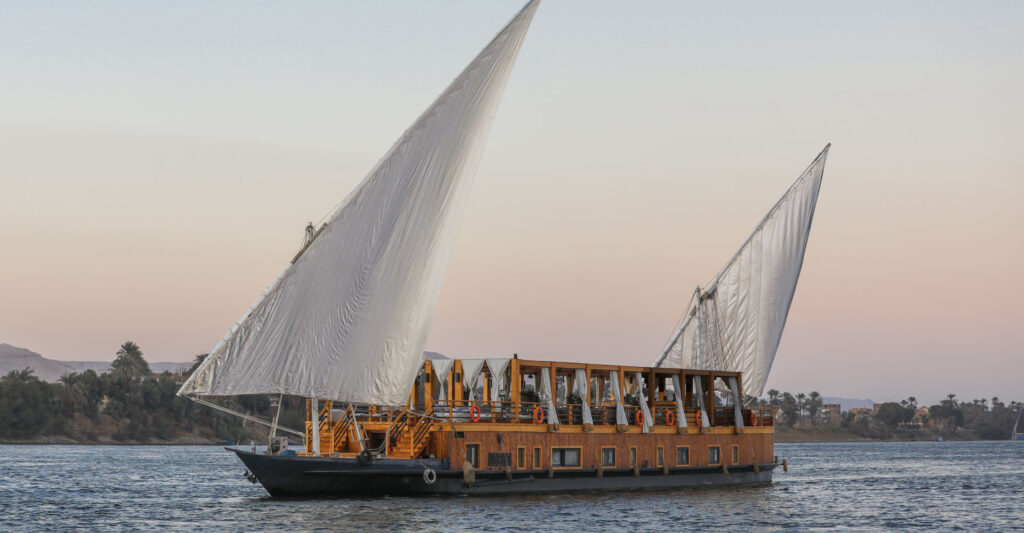
Egypt Nile Cruises

Svelando i Segreti: Guida Definitiva alla Maestria delle Crociere sul Nilo in Egitto

Consigli per una crociera sul Nilo in Egitto: Guida per un viaggio memorabile lungo il fiume

"La crociera sul Nilo in Egitto è un sogno che si avvera per molti viaggiatori, offrendo un modo unico e indimenticabile per vivere la bellezza e la storia dell'Egitto. Per sfruttare al meglio la tua avventura in crociera sul Nilo, ecco alcuni consigli e informazioni essenziali per garantire un viaggio fluido e piacevole."

1.Consigli per le crociere sul Nilo in Egitto: Scegli il pacchetto crociera giustoEgypt Nile Cruise

Quando pianifichi il tuo Crociera sul NiloÈ essenziale fare ricerche e selezionare il pacchetto crociera giusto che soddisfi le tue preferenze e il tuo budget. Considera fattori come la durata della crociera, l'itinerario, le comodità a bordo e le escursioni a terra. Opta per una compagnia di crociera di buona reputazione con recensioni positive e un solido record di sicurezza.

2.Consigli per le crociere sul Nilo in Egitto: Pianifica attentamente il tuo itinerario

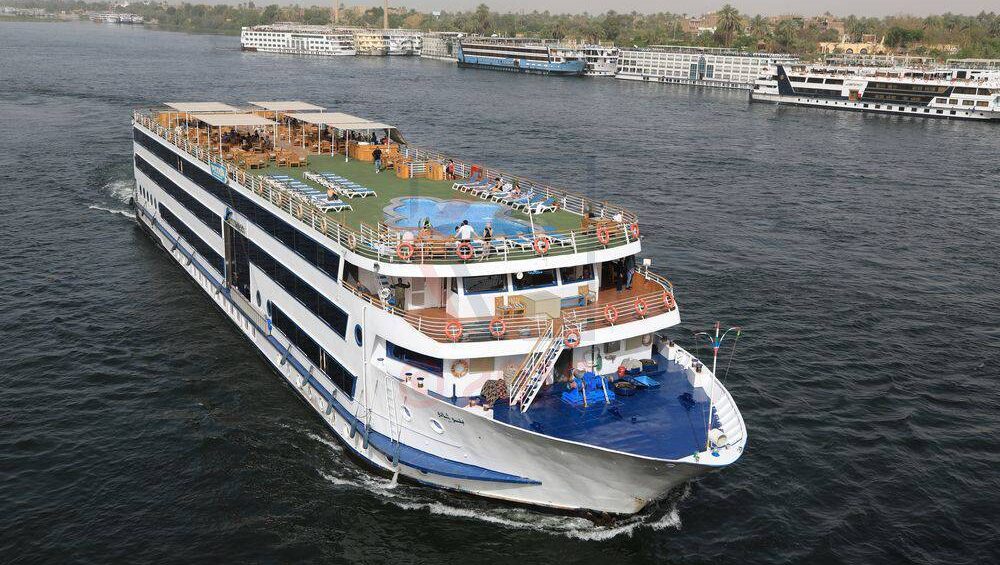
Le crociere sul Nilo offrono tipicamente una gamma di itinerari, dai viaggi più brevi tra Luxor e Aswan a viaggi più lunghi che includono visite ad altri siti storici lungo il fiume. Pianifica attentamente il tuo itinerario per includere attrazioni imperdibili come i templi di Karnak, Luxor e Philae, così come la Valle dei Re e delle Regine.

3.Consigli per una crociera sul Nilo in Egitto: Fai le valigie con intelligenza

Fai le valigie in modo leggero e intelligente per il tuo Crociera sul Nilo"Tenendo conto della stagione e delle condizioni meteorologiche, gli elementi essenziali includono abbigliamento comodo, protezione solare (cappello, occhiali da sole, crema solare), repellente per insetti, una macchina fotografica e qualsiasi medicinale necessario. Non dimenticare di portare un costume da bagno se la tua crociera include tempo libero in piscina."

4. Consigli per crociere sul Nilo in Egitto: Mantieniti idratato

Il clima dell'Egitto può essere caldo e secco, specialmente durante i mesi estivi. Mantieniti idratato bevendo molta acqua durante la tua crociera. La maggior parte delle navi da crociera fornisce acqua in bottiglia gratuita, ma è una buona idea portare una bottiglia d'acqua riutilizzabile per ricariche durante le escursioni a terra.

5. Suggerimenti per una crociera sul Nilo in Egitto: Assapora la cucina locale

Uno dei momenti salienti di una crociera sul Nilo è l'opportunità di gustare deliziosa cucina egiziana a bordo. Dai piatti tradizionali come koshari e falafel ai gustosi piatti di mezze e ai freschi frutti di mare, concediti i sapori dell'Egitto durante la tua crociera. Assicurati di provare i dolci locali, come basbousa e kunafa.

6. Consigli per una crociera sul Nilo in Egitto: Rispetta le usanze locali

Mentre ti godi il tuo Crociera sul Nilo Esplorando i villaggi e le città lungo il fiume, ricordati di rispettare le tradizioni e le abitudini locali. Vesti in modo modesto quando visiti luoghi religiosi, come moschee e templi, e chiedi il permesso prima di scattare foto ai residenti.

7. Consigli per una crociera sul Nilo in Egitto: Rimanere informati

Tieniti informato sugli ultimi avvisi di viaggio e precauzioni di sicurezza in Egitto. Resta in contatto con il personale della tua nave da crociera e segui le loro indicazioni riguardanti le procedure di sicurezza a bordo e le escursioni a terra.

8. Rilassati e distenditi

"Infine, prenditi del tempo per rilassarti e distenderti durante la tua crociera sul Nilo. Che tu stia sdraiato sul ponte solare, godendo dell'intrattenimento a bordo o partecipando ad attività culturali e conferenze, assapora ogni momento del tuo viaggio fluviale."

In conclusione, una crociera sul Nilo è un'esperienza unica che offre un mix di storia, cultura e bellezza naturale. Seguendo questi consigli per una crociera sul Nilo in Egitto, puoi sfruttare al massimo la tua avventura e creare ricordi indelebili lungo il leggendario fiume Nilo.

Addendum: Suggerimenti aggiuntivi per un'ottima esperienza di crociera sul Nilo

Per migliorare ulteriormente la tua esperienza di crociera sul Nilo, prendi in considerazione i seguenti suggerimenti:

9. Coinvolgiti con le guide locali Approfitta delle visite guidate condotte da guide locali competenti che possono fornire approfondimenti sulla storia e la cultura dell'Egitto.

10. Cattura i Ricordi Porta un diario o un diario di viaggio per documentare le tue esperienze e catturare momenti memorabili durante il tuo viaggio in crociera sul Nilo.

11.Partecipare alle attività a bordo Partecipa alle attività a bordo come lezioni di cucina, spettacoli di danza e conferenze per immergerti nella cultura e tradizioni egiziane.

12. Collegati con altri viaggiatori Coinvolgi gli altri passeggeri e scambia consigli di viaggio, storie e raccomandazioni per future avventure.

13.Esplora oltre la riva "Sebbene le escursioni a terra siano uno dei momenti salienti di qualsiasi crociera sul Nilo, non esitare a esplorare i mercati, i caffè e i quartieri vicini da solo per vivere un'esperienza più autentica."

14.Pianifica in anticipo per occasioni speciali Se stai celebrando un'occasione speciale durante la tua crociera, come un compleanno o un anniversario, informa il personale della crociera in anticipo per organizzare una celebrazione memorabile a bordo.

Integrando questi suggerimenti aggiuntivi nel tuo viaggio in crociera sul Nilo, puoi migliorare la tua esperienza e renderla davvero indimenticabile.

Per qualsiasi domanda, contattaci.
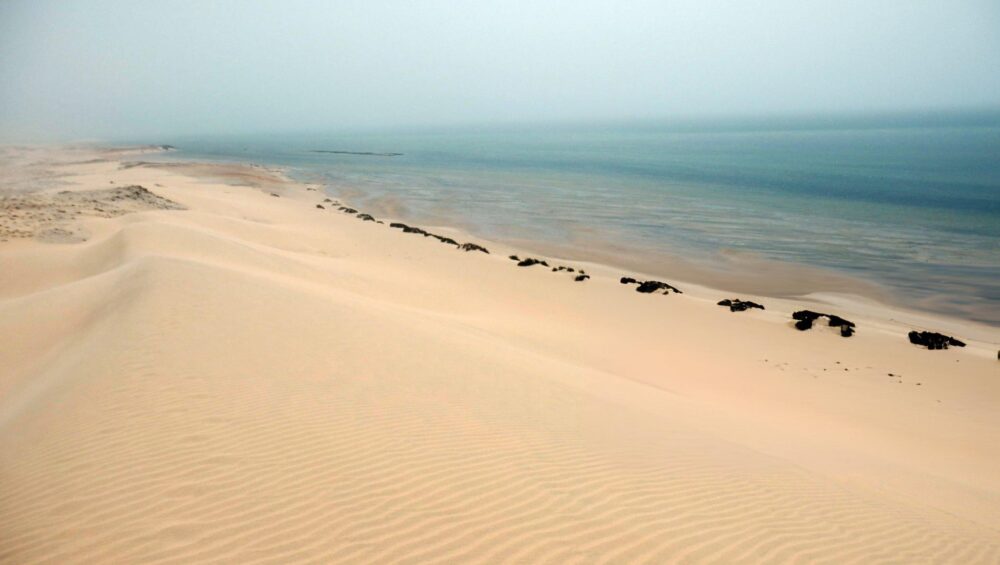
Top 5 Hidden Gems in Egypt

Esplora le 5 Gemme Nascoste in Egitto

Esplora le 5 Gemme Nascoste in Egitto

Esplorare i 5 tesori nascosti dell'Egitto, con le sue leggendarie piramidi, antichi templi e città frenetiche, è il sogno di ogni viaggiatore. Tuttavia, al di là delle strade battute si celano tesori nascosti pronti ad essere scoperti. Questi tesori meno conosciuti offrono uno sguardo sui diversi paesaggi dell'Egitto, la sua ricca storia e il suo patrimonio culturale. In questa guida, sveleremo i 5 tesori nascosti dell'Egitto, ognuno con il suo fascino e il suo appeal unico.

1.Oasi di Siwa: Un paradiso nel deserto

Immerso nell'ampia distesa del deserto occidentale dell'Egitto, vicino al confine con la Libia, Oasi di Siwa È un rifugio tranquillo lontano dalle folle turistiche. Quest'oasi remota è nota per i suoi rigogliosi palmizi, sorgenti d'acqua dolce e bellezza serena. L'isolamento di Siwa ha preservato una cultura berbera distinta, con case di mattoni di fango e pratiche tradizionali che risalgono a secoli fa.

Uno dei punti salienti di Siwa è il Tempio Oracolo di Amon, un antico santuario situato in cima a una collina con vista sull'oasi. Le rovine del tempio offrono uno sguardo al passato mistico dell'Egitto, dove i viaggiatori possono immaginare i rituali e le cerimonie che una volta si svolgevano qui. Un altro luogo da non perdere è la Sorgente di Cleopatra, una piscina naturale frequentata secondo la leggenda dalla stessa regina.

2.Al-Qasr: Fascino senza tempo nell'oasi di Dakhla

Nel cuore dell'Oasi di Dakhla, Al-Qasr si erge come testimonianza del patrimonio architettonico dell'Egitto. Questo antico villaggio è rinomato per i suoi edifici in mattoni di fango ben conservati, i vicoli stretti e lo stile di vita tradizionale. Passeggiare per Al-Qasr è come fare un salto indietro nel tempo, ogni angolo rivela un pezzo di storia.

Il Museo Etnografico di Al-Qasr è un tesoro di reperti, che mostra la storia, la cultura e la vita quotidiana degli abitanti dell'oasi. I visitatori possono esplorare mostre sulle arti tradizionali, sulle pratiche agricole e sulle usanze locali, acquisendo una comprensione più profonda della ricca eredità della regione.

3.Wadi Al-Hitan: La Valle delle BaleneEsplora le 5 Gemme Nascoste in Egitto

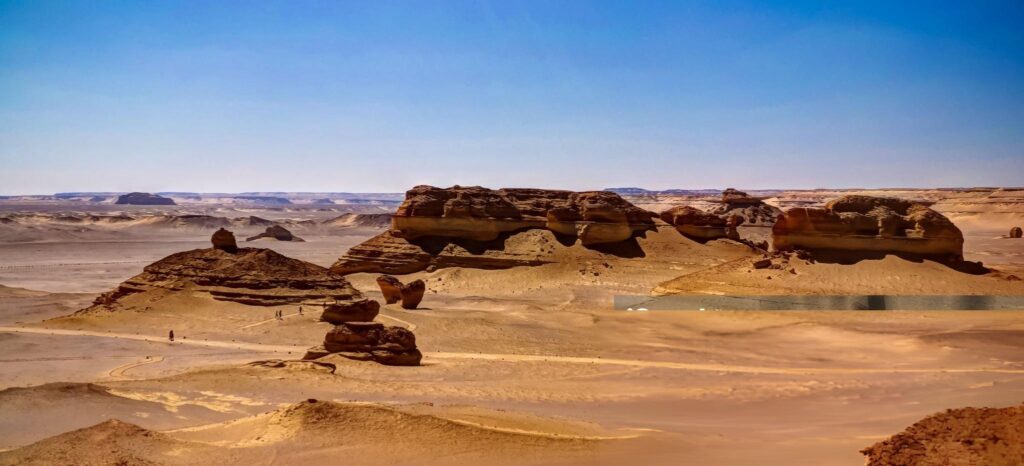
Situate nel Deserto Occidentale, Wadi Al-Hitan, o la Valle delle Balene, è una meraviglia geologica e sito del Patrimonio Mondiale dell'UNESCO. Questa antica valle ospita resti fossili di balene preistoriche, offrendo uno sguardo affascinante all'evoluzione della vita marina. I fossili di balene, alcuni dei quali sono notevolmente ben conservati, forniscono preziose informazioni sulla storia naturale dell'Egitto.

Esplorare Wadi Al-Hitan è come fare un viaggio nel tempo, poiché i visitatori incontrano fossili incastonati nelle rocce del deserto e imparano sugli antichi ecosistemi marini che un tempo prosperavano qui. Il centro visitatori del sito offre mostre informative e visite guidate, rendendolo una destinazione da non perdere per gli appassionati di natura e gli appassionati di storia.

4.Tempio di Philae: Gemma nascosta sull'isola di Agilkia

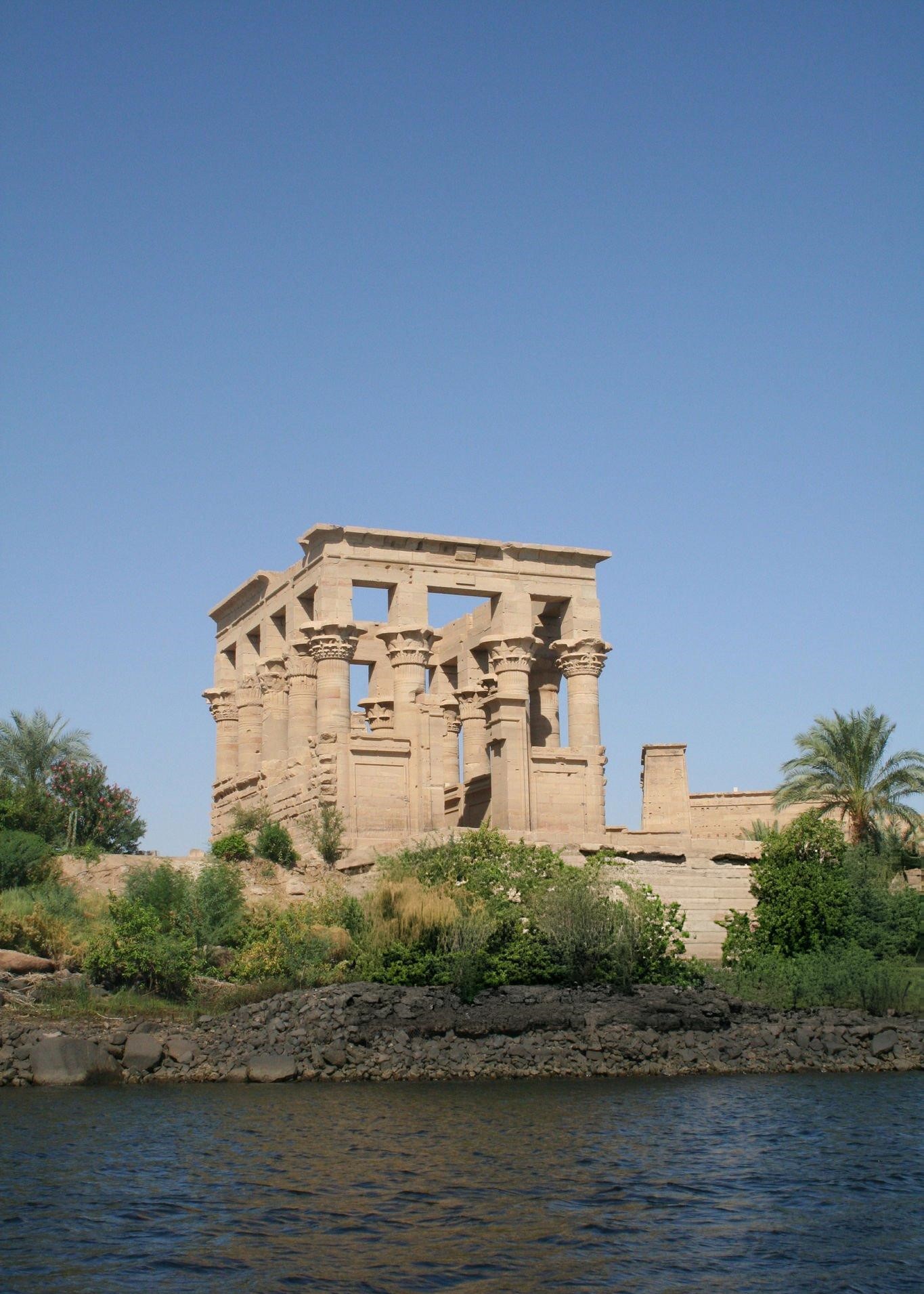
Mentre l'Egitto è rinomato per i suoi templi iconici, il Tempio di Philae sull'Isola di Agilkia offre un'esperienza più appartata e intima. Dedicato alla dea Iside, questo antico complesso templare è un capolavoro dell'architettura egizia e del simbolismo religioso. La sua pittoresca posizione sul fiume Nilo aggiunge al suo fascino, accessibile tramite una breve gita in barca da Assuan.

Esplorare Tempio di Philae Permette ai visitatori di ammirare i suoi squisiti rilievi, geroglifici e camere sacre dedicate a varie divinità. L'atmosfera tranquilla del tempio e la sua posizione lungo il fiume lo rendono un rifugio sereno lontano dai caotici siti turistici, ideale per la contemplazione e la fotografia.

5.Parco Nazionale di Ras Muhammad: Meraviglie Sottomarine

Sebbene l'Egitto sia spesso associato ai suoi paesaggi desertici, il Parco Nazionale di Ras Muhammad offre un sorprendente contrasto con la sua bellezza marina. Situata all'estremità meridionale della penisola del Sinai, questa riserva marina è un paradiso per gli snorkelisti e i subacquei. Le sue acque cristalline, i vibranti reef di corallo e la diversificata vita marina lo rendono una gemma nascosta per l'esplorazione subacquea.

I visitatori di Ras Muhammad possono partecipare a escursioni di snorkeling per esplorare colorati giardini di corallo, incontrare specie di pesci esotici e persino avvistare tartarughe marine e delfini nel loro habitat naturale. I paesaggi subacquei del parco sono ricchi di vita, offrendo uno sguardo affascinante nell'ecosistema marino del Mar Rosso.

Conclusione: Scoperta dei Tesori Nascosti dell'Egitto

I gioielli nascosti dell'Egitto rivelano un lato del paese che va oltre i suoi famosi monumenti e luoghi d'interesse. Da oasi tranquille e rovine antiche a meraviglie subacquee e templi sereni, questi tesori nascosti offrono una connessione più profonda con la storia, la cultura e i paesaggi naturali dell'Egitto. Avventurandosi fuori dai sentieri battuti, i viaggiatori possono scoprire i segreti che rendono l'Egitto una destinazione veramente affascinante. Quindi preparate il vostro senso dell'avventura e intraprendete un viaggio alla scoperta dei tesori nascosti di questa terra affascinante.

Per qualsiasi domanda, contattaci.
Spiagge in Egitto Scopri le migliori gemme costiere delle coste egiziane.

Spiagge in Egitto: La Tua Guida Definitiva alle Spiagge Egiziane

Le spiagge in Egitto sono rinomate per le loro antiche meraviglie e la loro bellezza maestosa. L'Egitto ospita alcune delle spiagge più stupefacenti al mondo. Dalle acque azzurre del Mar Rosso alle spiagge dorate del Mediterraneo, l'Egitto offre una gamma diversificata di esperienze balneari per ogni viaggiatore. In questa guida definitiva, esploreremo le migliori spiagge in Egitto che mostrano la bellezza naturale e il fascino costiero del paese.

1.Spiagge in Egitto, Sharm El Sheikh: Paradiso del Mar Rosso Beaches in Egypt

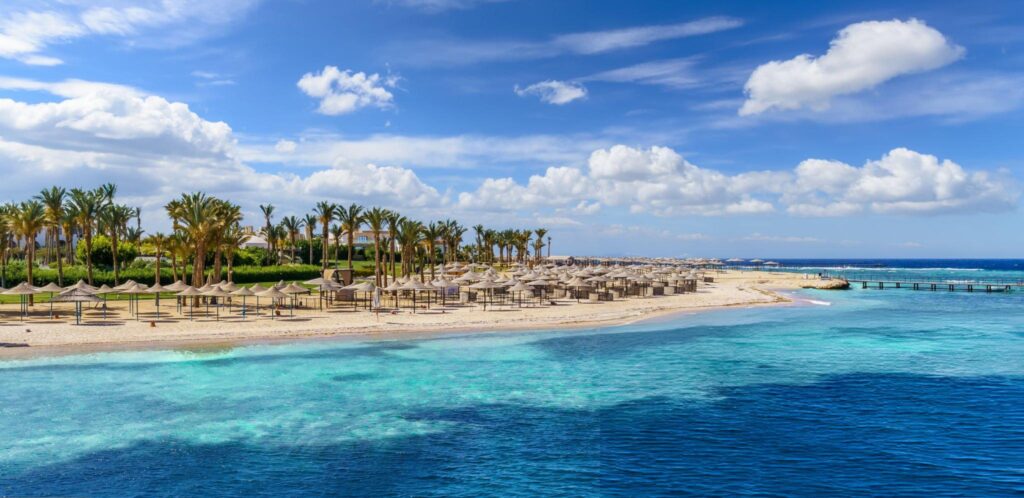
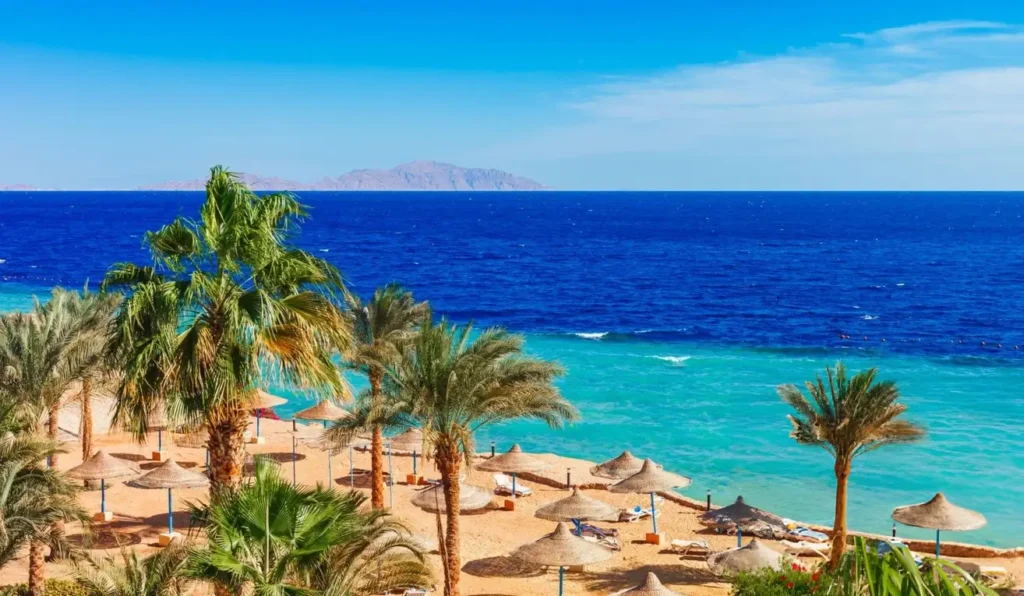
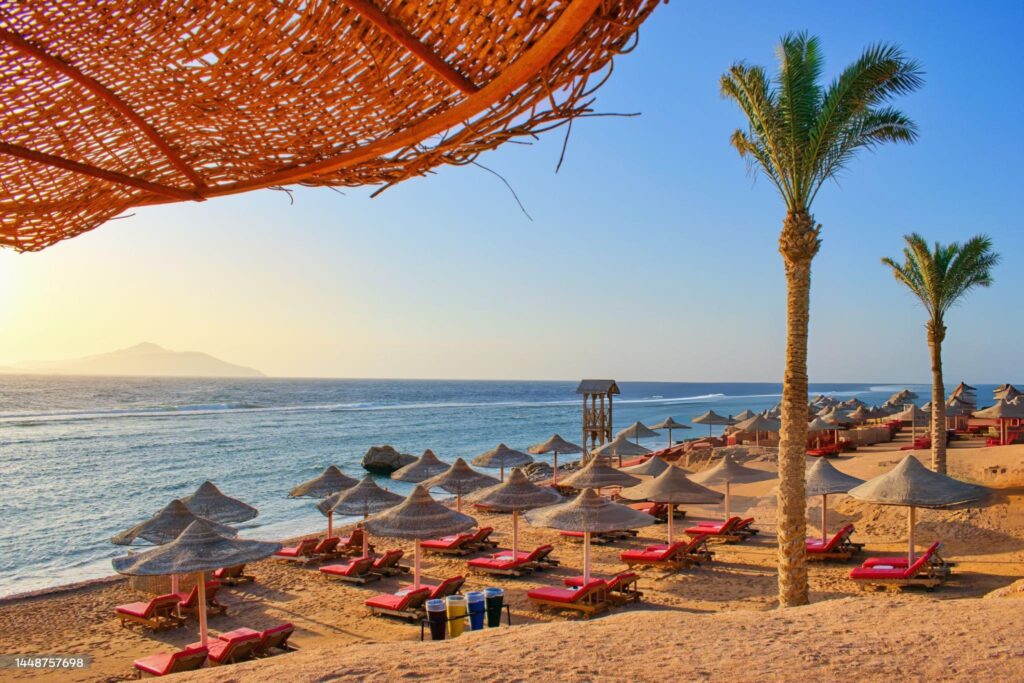
Situated all'estremità meridionale della penisola del Sinai, Sharm El Sheikh è un paradiso per gli amanti delle spiagge. Le sue acque cristalline, i vivaci reef di corallo e le morbide sabbie bianche la rendono una meta ideale per lo snorkeling, le immersioni e prendere il sole. Spiagge popolari come Naama Bay e il Parco Nazionale di Ras Mohammed offrono viste mozzafiato e una serie di attività sportive acquatiche. Che tu stia cercando relax o avventura, Sharm El Sheikh ha qualcosa per tutti.

2.Hurghada: Oasi balneare sul Mar Rosso

Hurghada È un altro gioiello lungo la costa del Mar Rosso, conosciuto per le sue spiagge incontaminate e la vibrante vita marina. El Gouna e Sahl Hasheesh sono aree popolari con lussuosi resort e spiagge private, perfette per una fuga tranquilla. Tuffati nel mondo sottomarino colorato del Mar Rosso o semplicemente rilassati sulla sabbia soffice mentre godi del sole egiziano.

3.Marsa Matrouh: Beatitudine Mediterranea

Sulla costa mediterranea dell'Egitto si trova Marsa Matrouh, una gemma nascosta con spiagge mozzafiato e acque turchesi. La spiaggia di Cleopatra, chiamata così in onore della leggendaria regina, vanta sabbie bianche morbide e mari calmi ideali per nuotare e fare picnic in famiglia. L'atmosfera rilassata e la bellezza panoramica di Marsa Matrouh lo rendono un luogo amato sia dai locali che dai visitatori internazionali.

4. Alessandria: Fascino storico sul mare

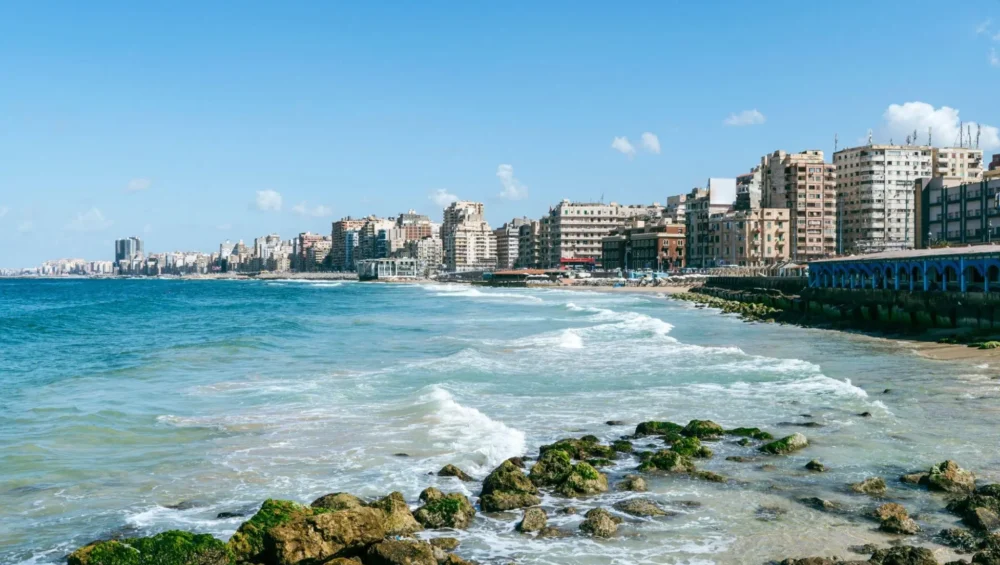
Conosciuto per la sua ricca storia e il suo patrimonio culturale, Alessandria "offre anche belle spiagge lungo la sua costa. La spiaggia di Montazah e la spiaggia di Stanley sono scelte popolari per gli abitanti del posto e i turisti in cerca di una ritirata al mare. Goditi una passeggiata rilassante lungo la Corniche o concediti del pesce fresco in uno dei ristoranti sul lungomare mentre ammiri la vista sul Mediterraneo."

5.Dahab: Paradiso per immersioni

"Per gli appassionati di immersioni e amanti della spiaggia, Dahab è una destinazione imperdibile sulla costa del Mar Rosso in Egitto. Il suo ambiente rilassato, i suoi reef colorati e l'iconico Blue Hole attraggono avventurieri da tutto il mondo. Rilassati sulla spiaggia, fai snorkeling o tuffati nelle profondità per un'esperienza subacquea indimenticabile."

6.Penisola del Sinai: Diverse Scappate in Spiaggia

La Sinaí La penisola è un tesoro di diverse fughe balneari, offrendo qualcosa per ogni preferenza di viaggiatore. La Laguna Blu di Dahab è un rifugio sereno con acque turchesi poco profonde, ideale per famiglie e snorkelisti. Per coloro che cercano un paradiso appartato, le spiagge incontaminate e l'atmosfera rilassata di Nuweiba offrono un ritiro pacifico dalle città frenetiche. Nel frattempo, le sabbie dorate e le acque limpide di Taba offrono un ambiente pittoresco per il relax e le attività sulla spiaggia.

7.Marsa Alam: Bellezza intatta sul Mar RossoBeaches in Egypt

Marsa Alam è un gioiello nascosto lungo la costa del Mar Rosso, conosciuto per le sue spiagge incontaminate e la ricca vita marina. La costa è punteggiata da spiagge idilliache come Abu Dabbab e Marsa Mubarak, dove è possibile incontrare maestose tartarughe marine e colorati pesci di barriera mentre si fa snorkeling o immersioni. La posizione remota e la bellezza naturale di Marsa Alam lo rendono un paradiso per i viaggiatori eco-consapevoli e gli appassionati di natura.

Conclusione: Esplora la felicità delle spiagge in Egitto

"Dai vibranti reef corallini del Mar Rosso alle tranquille calette del Mediterraneo, le spiagge dell'Egitto offrono un'ampia gamma di esperienze per ogni amante della spiaggia. Che tu stia cercando relax, avventura o esplorazione culturale, i gioielli costieri dell'Egitto promettono una vacanza indimenticabile in riva al mare. Quindi prepara la tua crema solare, prendi il tuo telo da mare e immergiti in un'avventura balneare nella terra dei faraoni e delle piramidi."

Per qualsiasi domanda, contattaci.
Tour dei Templi di Karnak e Luxor

Karnak and Luxor Temples’ Magnificent Mysteries

La Karnak and Luxor Temples are two of the most iconic and awe-inspiring ancient sites in Egypt. Located in Luxor, these temples have stood the test of time and remain a testament to the genius and vision of the ancient Egyptians. Both temples were constructed over thousands of years, and are dedicated to different gods and goddesses.

Exploring the Karnak Temple

La Tempio di Karnak is the largest religious complex in the world, covering an area of over 200 acres. The temple was dedicated to the god Amun, and it was believed that the pharaohs could communicate with the gods through the priests who served at the temple. The temple complex was constructed over more than a thousand years, with work beginning in the Middle Kingdom around 2000 BC.

The Great Hypostyle Hall at the Karnak Temple is one of the most impressive architectural wonders of the ancient world. The hall contains 134 massive columns, some of which are over 70 feet tall, and is decorated with intricate carvings and hieroglyphics that depict scenes from ancient Egyptian mythology. The hall was constructed during the reign of Seti I and was completed by his son, Ramses II.

La Tempio di Karnak also contains a sacred lake, which was used for ritual purification, as well as smaller shrines and chapels dedicated to various gods and goddesses. The temple complex also contains the Temple of Khonsu, the Temple of Ptah, and the Temple of Mut. These temples were added over the centuries, and each has its own unique features and architectural style.

In addition to its impressive size and architectural features, the Karnak Temple is also home to one of the largest collections of ancient Egyptian art and artifacts in the world. Visitors can see everything from statues and reliefs to jewelry and pottery, all of which offer a glimpse into the rich culture and history of ancient Egypt.

Uncovering the Secrets of the Luxor Temple

La Tempio di Luxor is located just a short distance from the Karnak Temple and was constructed over a period of more than a thousand years, beginning in the 14th century BC. The temple was dedicated to the gods Amun, Mut, and Khonsu, and it was used for religious ceremonies throughout the New Kingdom period. The temple was also the site of the annual Opet Festival, which celebrated the god Amun’s journey from Karnak to Luxor.

One of the most impressive features of the Luxor Temple is the pylon entrance, which was constructed during the reign of Ramses II. The entrance is flanked by two massive statues of Ramses II, which are over 60 feet tall. Visitors can also explore the colonnaded courtyard, which contains numerous columns with intricate carvings and hieroglyphics.

Inside the temple, visitors can see various sanctuaries and chapels dedicated to different gods and goddesses, including the Chapel of Alexander the Great, which was added by the Greeks during their occupation of Egypt. The temple also contains a barque shrine, which was used to transport the statues of the gods during the Opet Festival.

The Luxor Temple is also home to the Avenue of Sphinxes, a long path that was once lined with hundreds of sphinx statues. The avenue originally connected the Luxor Temple to the Karnak Temple, and visitors can still see some of the remaining sphinxes today.

A Journey Through Time

Visiting the Karnak and Luxor Temples is like taking a journey through time, back to a world that was vastly different from our own. These temples offer a glimpse into the rich culture and history of ancient Egypt, and they remind us of the incredible achievements of the ancient Egyptians.

Walking through these temples, visitors can imagine what life was like for the pharaohs and priests who served here. They can see the intricate carvings and hieroglyphics that tell the stories of ancient Egyptian mythology, and they can marvel at the size and complexity of these ancient structures.

But the Karnak and Luxor Temples are more than just relics of the past. They are living testaments to the ingenuity and creativity of the human spirit, and they remind us of the power of faith and the enduring legacy of ancient civilizations.

In conclusion, the Karnak and Luxor Temples are two of the most impressive ancient sites in the world, offering visitors a glimpse into the rich history and culture of ancient Egypt. These temples are a testament to the ingenuity and skill of the ancient Egyptians, who were able to construct such impressive structures over thousands of years. A visit to these temples is a journey through time, an opportunity to immerse oneself in the mysteries of ancient Egypt and to marvel at the incredible achievements of the human spirit.


Day tour to Valley of the Kings, Hatshepsut Temple, and Colossi of Memnon - West Bank Of Luxor -

West Bank Of Luxor: Exploring Ancient Egypt

The Valley of the Kings, Hatshepsut Temple, and Colossi of Memnon are three of the most remarkable and well-known ancient Egyptian sites located on the west bank of the Nile River in Luxor. These sites offer a glimpse into the fascinating history and culture of ancient Egypt.

The Valley of the Kings

The Valley of the Kings is a vast burial complex that contains the tombs of pharaohs and their consorts. It was used for burials from the 16th to the 11th century BCE and is situated in the heart of the Theban Necropolis. The valley is known for its elaborate and well-preserved tombs, including the tomb of Tutankhamun, the boy king, and the tomb of Seti I, which is one of the largest in the valley.

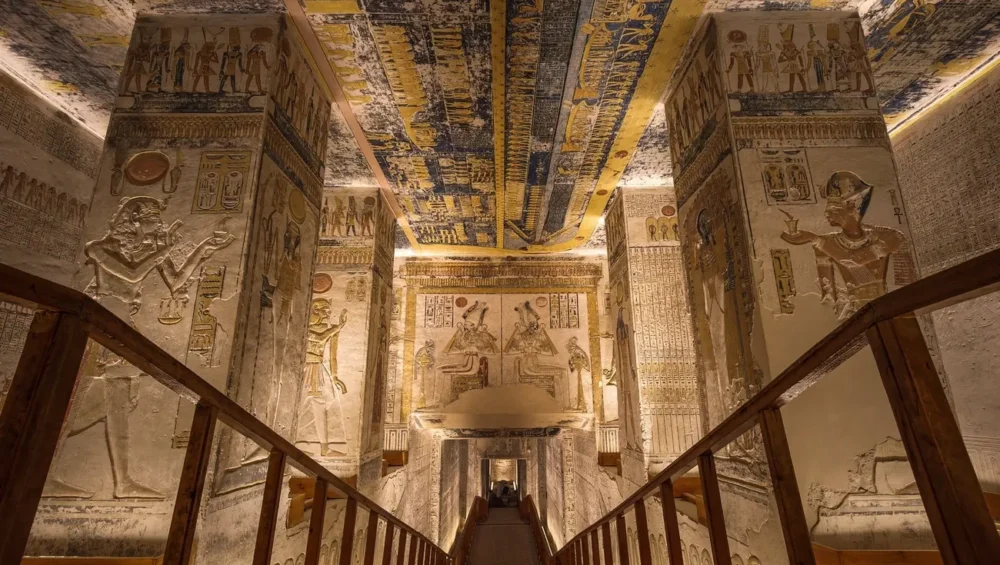
The tombs in the Valley of the Kings were constructed to protect the bodies of pharaohs and their treasures in the afterlife. The tombs are decorated with elaborate paintings and hieroglyphics that depict the pharaoh’s life and journey through the afterlife. The walls of the tombs are covered with depictions of the pharaoh’s journey through the underworld, the gods they encountered, and the obstacles they had to overcome.

The tomb of Tutankhamun is one of the most popular tombs in the valley. It was discovered in 1922 by British archaeologist Howard Carter and is known for its incredible treasures, including the famous golden mask of Tutankhamun. The tomb is relatively small compared to other tombs in the valley, but it is filled with stunning paintings and hieroglyphics.

Tempio di Hatshepsut

The nearby Tempio di Hatshepsut is one of the most remarkable examples of ancient Egyptian architecture. It was built by Queen Hatshepsut, who was one of the few female pharaohs of ancient Egypt. The temple is carved out of a cliff face and has three levels of terraces connected by ramps. The temple is known for its stunning hieroglyphics, statues, and reliefs that depict the queen’s accomplishments and her divine birth.

The temple was built to honor the god Amun-Ra and to commemorate the queen’s reign. The temple is divided into three sections, including the upper terrace, middle terrace, and lower terrace. The upper terrace is home to the temple’s most impressive features, including the chapel of Hathor and the queen’s mortuary temple.

The middle terrace is home to the temple’s main entrance and the colonnaded hall, which is decorated with stunning reliefs depicting the queen’s expedition to the land of Punt. The lower terrace is home to the temple’s main courtyard and the Sanctuary of Amun, which was the most sacred part of the temple.

The Colossi of Memnon

La Colossi di Memnone are two massive statues of the pharaoh Amenhotep III that have stood in the Theban Necropolis for over 3,400 years. The statues are made of quartzite sandstone and stand at around 18 meters tall. They are believed to have guarded the entrance to the pharaoh’s mortuary temple, which has since been destroyed.

The Colossi of Memnon are a popular tourist attraction in Luxor and are known for their impressive size and age. The statues were damaged by earthquakes and floods over the centuries, but they have been restored and are now a popular spot for visitors to take photos.

Conclusione

Overall, the Valley of the Kings, Hatshepsut Temple, and Colossi of Memnon offer a fascinating glimpse into the ancient history and culture of Egypt. These sites are a testament to the incredible accomplishments of the ancient Egyptians and their dedication to preserving their history and cultural heritage.

Visitors to these sites can learn about the pharaohs and their beliefs about the afterlife, as well as the architecture and artistry of ancient Egypt. The sites also offer stunning views of the surrounding landscape, including the Nile River and the desert hills.

It is recommended to visit these sites with a knowledgeable guide who can provide historical and cultural insights into the sites and their significance. Visitors should also wear comfortable clothing and shoes, bring sunscreen, a hat, and plenty of water, as the temperature can be quite hot, especially during the summer months.

In conclusion, the Valley of the Kings, Hatshepsut Temple, and Colossi of Memnon are must-see attractions for anyone interested in ancient history and culture. These sites offer an incredible insight into the world of the ancient Egyptians and their remarkable achievements. Visitors to Luxor should take the time to explore these sites and appreciate the incredible legacy of one of the world’s greatest civilizations.


Tempio di Dendera

Dendera: Egypt’s Best-Preserved Temple Complex

Dendera is a small city situated on the west bank of the Nile River in Egypt’s Qena Governorate. The city is renowned for its ancient temple complex, the Dendera Temple Complex, which is considered one of the best-preserved temples from ancient Egypt. The temple complex is dedicated to Hathor, the goddess of love, beauty, fertility, and music, and is one of the most important places of worship in ancient Egypt.

The Dendera Temple Complex

The Dendera Temple Complex spans an area of approximately 40,000 square meters and comprises various structures, including the Temple of Hathor, the Temple of the Birth of Isis, the Temple of the Sacred Lake, the Mammisi, and other smaller shrines and chapels. The temple complex dates back to the Ptolemaic period and was built over an earlier temple that was destroyed by fire. The construction of the temple complex began in the 2nd century BC and continued over several centuries, with further additions and renovations carried out by subsequent Ptolemaic rulers and Roman emperors.

The Temple of Hathor

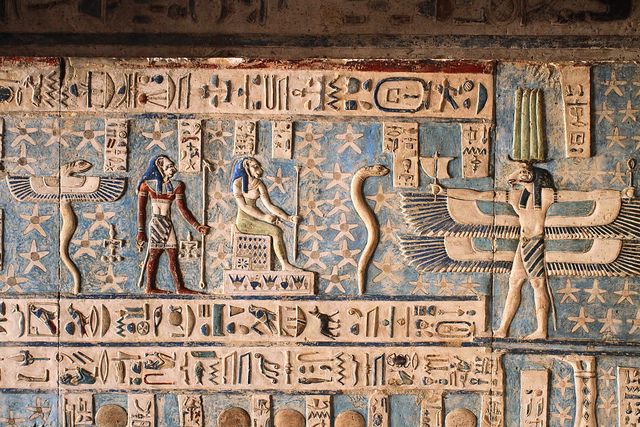
The Temple of Hathor is the most significant structure in the complex and is the best-preserved. The temple is situated on a raised platform, and its walls and columns are adorned with intricate reliefs and carvings that depict various scenes from Egyptian mythology. The temple also features several halls, chambers, and sanctuaries, each with its unique architectural and decorative features. The hypostyle hall is the most notable of these chambers, supported by 24 columns, each adorned with images of Hathor.

One of the most striking features of the Temple of Hathor is its astronomical ceiling, considered one of the most significant astronomical representations from ancient Egypt. The ceiling is divided into seven sections, each depicting different astronomical phenomena, including the constellations, planets, and zodiac. The central section of the ceiling features a depiction of the sky goddess Nut, who is shown arching over the earth with her body covered in stars.

Temple of the Birth of Isis

Another notable structure in the Dendera Temple Complex is the Temple of the Birth of Isis, located north of the main temple and dedicated to the goddess Isis, believed to have been born in Dendera. The temple is built in the traditional Egyptian style and features a sanctuary, a hypostyle hall, and a courtyard. The walls of the temple are adorned with reliefs and carvings depicting scenes from the life of Isis, including her birth, her marriage to Osiris, and her role as the mother of Horus.

The Temple of the Sacred Lake

The Temple of the Sacred Lake is another significant structure in the complex and was believed to have been used for ritual purification ceremonies. The temple is built around a large rectangular lake, which was believed to have been the home of Hathor. The temple features several chambers and sanctuaries, each with its unique architectural and decorative features. The walls of the temple are adorned with reliefs and carvings depicting scenes from the life of Hathor, including her role as the goddess of love, music, and fertility.

The Mammisi

La Mammisi is another important structure in the Dendera Temple Complex, located south of the main temple, and built to commemorate the birth of the god Horus. The Mammisi is a small chapel that features a sanctuary, a hypostyle hall, and a courtyard. The walls of the chapel are adorned with reliefs and carvings depicting scenes from the life of Horus, including his birth, his childhood, and his victory over the god Set.

The Dendera Temple Complex also houses several other smaller shrines and chapels, each dedicated to various Egyptian gods and goddesses, including Osiris, Anubis, and Khonsu.

Significance of Dendera Temple Complex

Apart from its historical and cultural significance, the Dendera Temple Complex is an important site for the study of ancient Egyptian religion and astronomy. The astronomical ceiling of the Temple of Hathor, in particular, has attracted the attention of astronomers and Egyptologists for many years and is widely regarded as one of the most important astronomical representations from ancient Egypt.

Despite the challenges faced by the Dendera Temple Complex over the years, including natural disasters, looting, and vandalism, the Egyptian government has taken significant steps towards its preservation and protection, including restoration work and increased security measures. The temple complex is now open to visitors and is a popular tourist destination for people from all over the world.

Conclusione

In conclusion, the Dendera Temple Complex is an impressive ancient temple complex that honors Hathor, the goddess of love, beauty, fertility, and music. The complex comprises several structures, including the Temple of Hathor, the Temple of the Birth of Isis, the Temple of the Sacred Lake, the Mammisi, and smaller shrines and chapels. It is significant for its contributions to the study of ancient Egyptian religion and astronomy, as well as its importance to preserving ancient Egyptian art, culture, and history. Despite its challenges, the temple complex remains a popular tourist destination and serves as a vital cultural resource for future generations.

Tempio di Abydos

Abydos: Ancient Egyptian Religious Center

Abydos, located in Upper Egypt, is an ancient city that played a significant role in the religious beliefs of ancient Egyptians. The city’s origins date back to the pre-dynastic period, around 4000 BCE, where it was known as Abdju and considered a sacred site due to its association with Osiris, the god of the afterlife.

Temple of Seti I

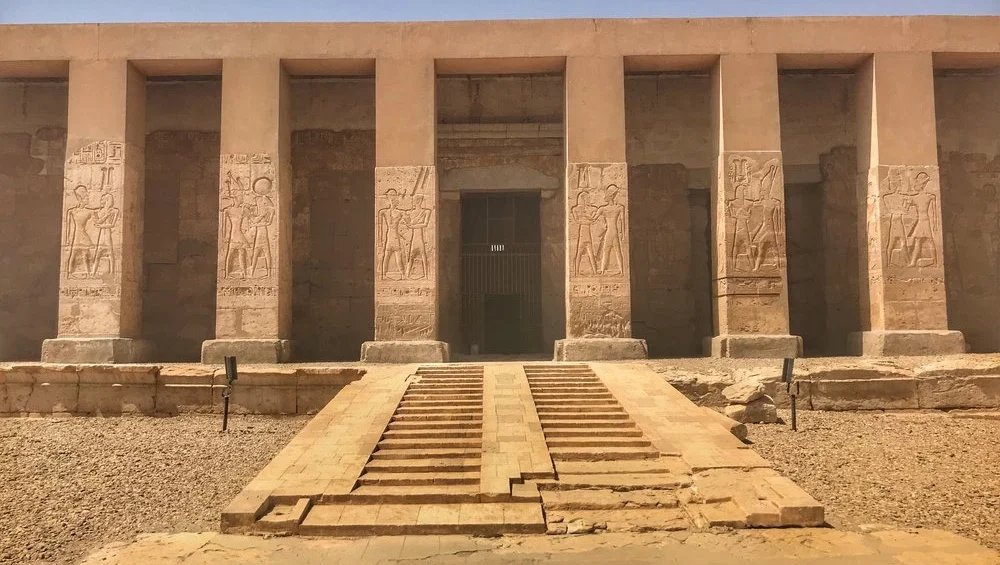
As the pharaohs of the Old Kingdom period (2686-2181 BCE) rose to power, Abydos became an increasingly important religious center. The pharaohs built many temples and shrines in the city, including the Temple of Seti I. Seti I, who ruled from 1290 to 1279 BCE, was a renowned builder and commissioned the construction of many impressive structures, including the Temple of Seti I.

La Temple of Seti I is one of the most impressive structures in Abydos. Built during the New Kingdom period (1550-1070 BCE), it is dedicated to Osiris and comprises several courtyards, halls, and chambers, decorated with beautiful reliefs and paintings. The temple’s most famous feature is the Abydos King List, inscribed on its walls during the reign of Seti I. This list is a valuable historical document that lists the pharaohs of Egypt from the first dynasty to the 19th dynasty, providing important information about ancient Egypt’s rulers.

The Osireion

The Osireion is another impressive structure in Abydos that was built during the reign of Seti I. This mysterious temple’s purpose is unknown, but it is believed to have been built to resemble the tomb of Osiris. The Osireion is a massive underground structure with several columns over 10 meters tall. It is decorated with beautiful reliefs and paintings and is believed to have been used for religious rituals and ceremonies.

The cult of Osiris

The cult of Osiris was one of the most important religious beliefs in ancient Egypt, and Abydos was its center. Osiris was the god of the afterlife, and his murder by his brother Set and subsequent resurrection were central to the cult’s beliefs. The cult of Osiris was popular in ancient Egypt, and many people came to Abydos to seek his blessings. The city was considered a sacred site, and those buried in Abydos were believed to be protected by Osiris.

Conclusione

In conclusion, Abydos is an essential part of ancient Egyptian history and culture. Its impressive structures, such as the Temple of Seti I and the Osireion, provide valuable insights into ancient Egyptian architecture and religion. The city’s association with the cult of Osiris adds to its significance, making it a must-visit destination for anyone interested in ancient Egyptian history.

Fayoum Oasis

Discovering the Beauty of Fayoum Oasis in Egypt

The Fayoum Oasis, located in the western desert of Egypt, is a captivating destination that offers visitors an insight into the region’s rich cultural heritage and historical significance. Spread over a vast area, this oasis is a depression in the desert that was formed due to the Nile River’s changing course over thousands of years. Known for its fertile soil and abundant water resources, the Fayoum Oasis has been an important agricultural center since ancient times. The region is also home to natural and man-made lakes that add to its beauty and allure, including the largest lake in Egypt, Lake Qarun.

Wadi El-Rayan

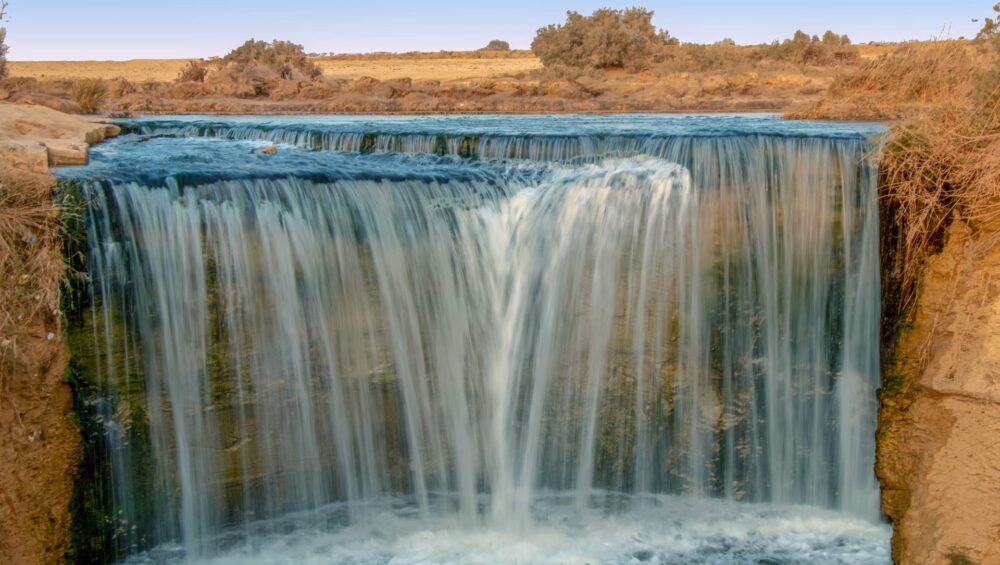
One of the most popular attractions in the Fayoum Oasis is the Wadi El-Rayan Protected Area. It is a nature reserve that features two stunning lakes connected by a waterfall. Visitors can indulge in a range of activities such as hiking, swimming, and even boating to explore the area’s beauty and wildlife. The reserve is home to various species such as gazelles, foxes, and a variety of birds. The hot springs in the area are also popular among visitors for their therapeutic properties.

Città di Karanis

Ancient ruins and historical sites in the Fayoum Oasis attract tourists from all over the world. The ancient city of Karanis, dating back to the 3rd century BC, is a significant historical site that offers a glimpse into the region’s past. The city was once a flourishing center of commerce and agriculture, and visitors can still explore the remains of its temples, houses, and public buildings. The site also features a museum that displays various artifacts from the city’s past, including pottery, jewelry, and tools.

City of Tunis

Tunis is another city in the Fayoum Oasis that attracts tourists for its charming streets and historical buildings. Visitors can experience traditional Egyptian culture and hospitality by exploring the city’s markets, sampling local cuisine, and even taking a cooking class to learn how to make traditional dishes like koshari and ful medames.

Wadi Al-Hitan

For adventure seekers, the Fayoum Oasis offers a range of outdoor activities, including hiking, camping, and sandboarding. The sand dunes in the area are a popular spot for sandboarding, and visitors can also enjoy the breathtaking views from the top of the dunes. There are several hiking trails in the oasis, including the Wadi Al-Hitan Trail, which takes visitors through a beautiful canyon and past ancient fossils and rock formations.

Montagna di Mudawara

One of the most unique attractions in the Fayoum Oasis is the Montagna di Mudawara, which is believed to have healing properties and is a popular destination for spiritual seekers. Visitors can hike to the top of the mountain, where they will find a small mosque and a number of caves and grottoes that are considered holy sites.

Cuisine of the Fayoum Oasis

La cuisine of the Fayoum Oasis is another highlight of the region. The local dishes are delicious and hearty, typically made with fresh vegetables, meat, and spices. Feteer, a type of Egyptian pastry filled with cheese or meat, and mouloukhiya, a stew made with a leafy green vegetable and meat, are some of the most popular dishes.

Conclusione

In conclusion, the Fayoum Oasis is a truly unique and fascinating destination that offers visitors an opportunity to explore the rich history and culture of Egypt. With its stunning landscapes, ancient ruins, and friendly locals, the oasis is an ideal destination for anyone interested in discovering the country’s diverse and vibrant culture. From relaxation and rejuvenation to adventure sports and historical exploration, the Fayoum Oasis has something for everyone.