Mummification in Ancient Egypt
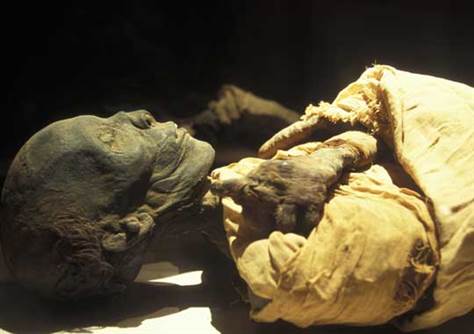
Mummification in ancient Egypt stands as one of the most fascinating and intricate practices of the ancient world. This elaborate process was deeply entwined with the Egyptians’ beliefs about the afterlife and their reverence for the dead. For over two millennia, the art of mummification evolved, reflecting the Egyptians’ sophisticated understanding of the human body, religious rituals, and spiritual beliefs.
The Origins and Evolution of Mummification
The origins of mummification in ancient Egypt date back to the Predynastic period (c. 6000-3150 BCE). Early burials were simple pit graves in the desert, where natural desiccation preserved the bodies. However, as Egyptian society progressed, the need for more elaborate burial practices emerged, driven by the belief that preserving the body was essential for the soul’s journey to the afterlife.
By the Old Kingdom (c. 2686-2181 BCE), mummification techniques had become more advanced. The practice involved not only drying out the body but also performing intricate rituals to prepare the deceased for eternity. The process became more refined over time, reaching its zenith during the New Kingdom (c. 1570-1069 BCE) when the most famous mummies, including those of pharaohs like Tutankhamun, were created.
The Mummification Process
Preparation of the Body
Mummification in ancient Egypt was a meticulous process that could take up to 70 days. It began with the washing of the body in water from the Nile, symbolizing purification. The next step involved removing internal organs, which were believed to be susceptible to decay. The brain was extracted through the nostrils using a hooked instrument, while an incision was made on the left side of the abdomen to remove the lungs, stomach, liver, and intestines. These organs were then placed in canopic jars, each guarded by one of the four sons of Horus.
Dehydration with Natron
The body was then packed and covered with natron, a naturally occurring salt mixture that desiccated the body by absorbing moisture. This process took about 40 days. After dehydration, the body was cleaned again and anointed with oils and resins to maintain its flexibility and deter bacteria.
Wrapping the Body
The final step was wrapping the body in linen bandages. This stage was highly ritualized, with priests reciting spells and prayers to protect the deceased on their journey to the afterlife. Amulets and charms were placed between the layers of linen for additional protection. The bandaging process could involve hundreds of meters of linen, carefully wrapped to ensure the body’s preservation.
The Spiritual Significance
Mummification in ancient Egypt was not merely a physical preservation technique but a deeply spiritual act. The Egyptians believed in the concept of the ka and the ba, aspects of the soul that needed a well-preserved body to return to. The ka was a person’s life force, while the ba was a roaming spirit. Together, they required the physical body, or its preserved form, to recognize and reunite with.
The opening of the mouth ceremony was a crucial part of the mummification ritual. This ritual aimed to restore the deceased’s senses, allowing them to eat, drink, and speak in the afterlife. It was performed by priests, usually in the presence of the deceased’s family, using special tools to touch the mouth of the mummy.
Tombs and Burial Practices
The mummification process was often accompanied by elaborate burial practices. Tombs were filled with goods that the deceased might need in the afterlife, such as food, clothing, jewelry, and even furniture. Tomb walls were adorned with hieroglyphic inscriptions and paintings depicting the deceased’s life and their journey to the afterlife.
Pharaohs and high-ranking officials were buried in grand tombs, such as the pyramids of the Old Kingdom or the rock-cut tombs in the Valley of the Kings during the New Kingdom. These burial sites were designed to protect the mummies from tomb robbers and to provide a suitable resting place for eternity.
The Legacy of Mummification
Mummification in ancient Egypt has left an indelible mark on history and culture. The discovery of mummies and their tombs has provided invaluable insights into Egyptian civilization, including their medical knowledge, religious beliefs, and daily life.
Modern science has also benefited from the study of mummies. Techniques like CT scans and DNA analysis have allowed researchers to learn more about the health, diet, and diseases of ancient Egyptians. These studies have revealed fascinating details, such as the presence of heart disease and arthritis among the population, and have even traced familial lineages among pharaohs.
Conclusion
Mummification in ancient Egypt was a complex and sacred practice that reflected the civilization’s profound beliefs about life, death, and the afterlife. This intricate process ensured that the deceased would be well-prepared for their journey to eternity, embodying the Egyptians’ quest for immortality. The legacy of mummification continues to captivate the modern world, offering a window into one of history’s most enigmatic and advanced civilizations.