Mummification in Ancient Egypt

Mummification in Ancient Egypt: Unveiling the Secrets of an Age-Old Practice

Mummification in Ancient Egypt

Mummification in ancient Egypt stands as one of the most fascinating and intricate practices of the ancient world. This elaborate process was deeply entwined with the Egyptians’ beliefs about the afterlife and their reverence for the dead. For over two millennia, the art of mummification evolved, reflecting the Egyptians’ sophisticated understanding of the human body, religious rituals, and spiritual beliefs.

The Origins and Evolution of Mummification

The origins of mummification in ancient Egypt date back to the Predynastic period (c. 6000-3150 BCE). Early burials were simple pit graves in the desert, where natural desiccation preserved the bodies. However, as Egyptian society progressed, the need for more elaborate burial practices emerged, driven by the belief that preserving the body was essential for the soul’s journey to the afterlife.

By the Old Kingdom (c. 2686-2181 BCE), mummification techniques had become more advanced. The practice involved not only drying out the body but also performing intricate rituals to prepare the deceased for eternity. The process became more refined over time, reaching its zenith during the New Kingdom (c. 1570-1069 BCE) when the most famous mummies, including those of pharaohs like Tutankhamun, were created.

The Mummification Process

Preparation of the Body

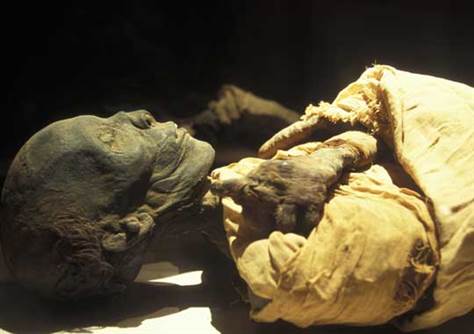
Mummification in ancient Egypt was a meticulous process that could take up to 70 days. It began with the washing of the body in water from the Nile, symbolizing purification. The next step involved removing internal organs, which were believed to be susceptible to decay. The brain was extracted through the nostrils using a hooked instrument, while an incision was made on the left side of the abdomen to remove the lungs, stomach, liver, and intestines. These organs were then placed in canopic jars, each guarded by one of the four sons of Horus.
Mummification in Ancient Egypt

Dehydration with Natron

The body was then packed and covered with natron, a naturally occurring salt mixture that desiccated the body by absorbing moisture. This process took about 40 days. After dehydration, the body was cleaned again and anointed with oils and resins to maintain its flexibility and deter bacteria.

Wrapping the Body

The final step was wrapping the body in linen bandages. This stage was highly ritualized, with priests reciting spells and prayers to protect the deceased on their journey to the afterlife. Amulets and charms were placed between the layers of linen for additional protection. The bandaging process could involve hundreds of meters of linen, carefully wrapped to ensure the body’s preservation.

The Spiritual Significance

Mummification in ancient Egypt was not merely a physical preservation technique but a deeply spiritual act. The Egyptians believed in the concept of the ka and the ba, aspects of the soul that needed a well-preserved body to return to. The ka was a person’s life force, while the ba was a roaming spirit. Together, they required the physical body, or its preserved form, to recognize and reunite with.

The opening of the mouth ceremony was a crucial part of the mummification ritual. This ritual aimed to restore the deceased’s senses, allowing them to eat, drink, and speak in the afterlife. It was performed by priests, usually in the presence of the deceased’s family, using special tools to touch the mouth of the mummy.

Tombs and Burial Practices

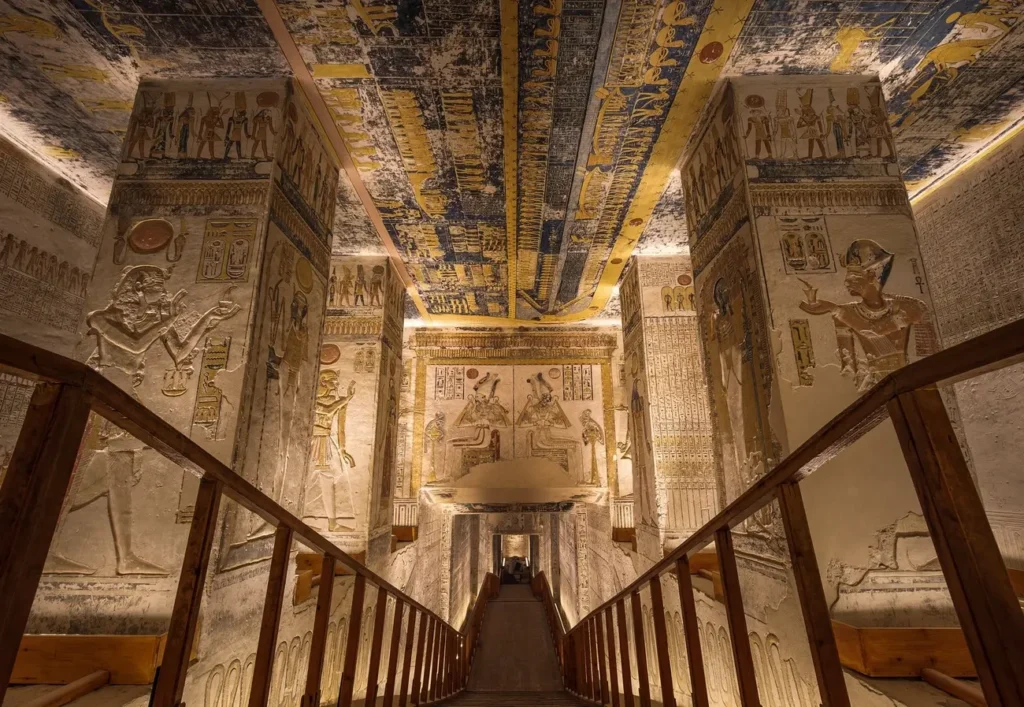
The mummification process was often accompanied by elaborate burial practices. Tombs were filled with goods that the deceased might need in the afterlife, such as food, clothing, jewelry, and even furniture. Tomb walls were adorned with hieroglyphic inscriptions and paintings depicting the deceased’s life and their journey to the afterlife.

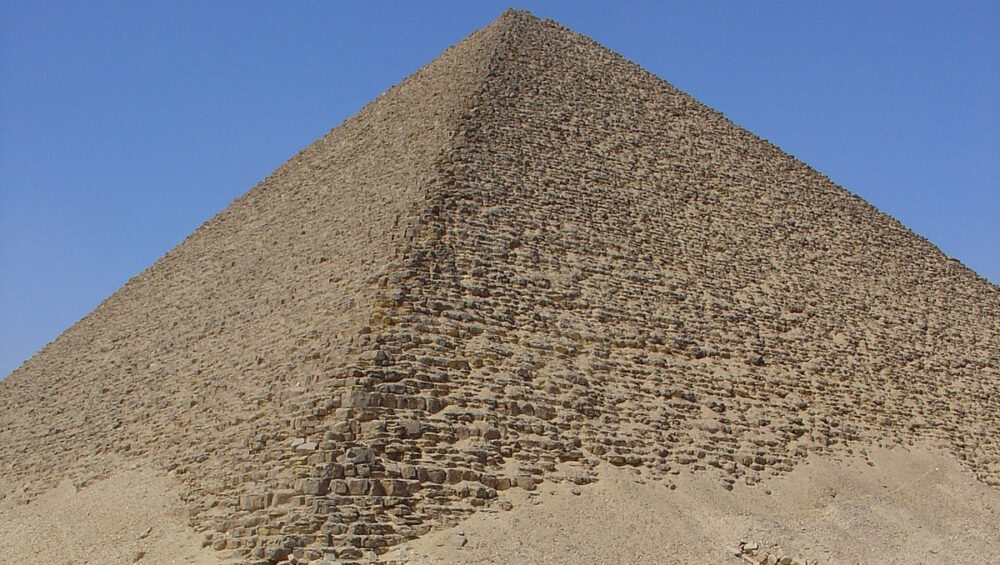
Pharaohs and high-ranking officials were buried in grand tombs, such as the pyramids of the Old Kingdom or the rock-cut tombs in the Valley of the Kings during the New Kingdom. These burial sites were designed to protect the mummies from tomb robbers and to provide a suitable resting place for eternity.

The Legacy of Mummification

Mummification in ancient Egypt has left an indelible mark on history and culture. The discovery of mummies and their tombs has provided invaluable insights into Egyptian civilization, including their medical knowledge, religious beliefs, and daily life.

Modern science has also benefited from the study of mummies. Techniques like CT scans and DNA analysis have allowed researchers to learn more about the health, diet, and diseases of ancient Egyptians. These studies have revealed fascinating details, such as the presence of heart disease and arthritis among the population, and have even traced familial lineages among pharaohs.

Conclusion

Mummification in ancient Egypt was a complex and sacred practice that reflected the civilization’s profound beliefs about life, death, and the afterlife. This intricate process ensured that the deceased would be well-prepared for their journey to eternity, embodying the Egyptians’ quest for immortality. The legacy of mummification continues to captivate the modern world, offering a window into one of history’s most enigmatic and advanced civilizations.

For any inquiries, contact us :
Queens of Egypt

Queens of Egypt: Reigning with Power and Legacy

Queens of Egypt

Introduction

The history of Egypt is rich with tales of powerful rulers, monumental structures, and profound cultural achievements. Among the iconic figures who have left an indelible mark on this ancient civilization are the Queens of Egypt. These regal women not only played pivotal roles in the governance and religious life of ancient Egypt but also significantly influenced its cultural and political landscapes. This article explores the lives and legacies of some of the most renowned Queens of Egypt, shedding light on their contributions and enduring influence.

Hatshepsut: The Female Pharaoh
 Queens of Egypt

Early Life and Ascension

Hatshepsut stands out as one of the most remarkable Queens of Egypt due to her unprecedented rise to power. Born to King Thutmose I and Queen Ahmose, Hatshepsut was of royal blood and well-versed in the intricacies of Egyptian court life. After the death of her husband, Thutmose II, Hatshepsut initially served as regent for her stepson, Thutmose III. However, she eventually assumed the title of Pharaoh, a role traditionally reserved for men.

Reign and Achievements

During her reign, Hatshepsut focused on economic prosperity and monumental architecture. Her most famous architectural achievement is the Mortuary Temple at Deir el-Bahri, a stunning example of ancient Egyptian engineering and art. Hatshepsut’s reign was marked by stability and prosperity, with significant advancements in trade, including a notable expedition to the land of Punt, which brought back valuable goods and exotic items.

Nefertiti: The Icon of Beauty and Power

Royal Consort and Co-Regent

Nefertiti, often remembered for her legendary beauty, was more than just a queen; she was a powerful co-regent alongside her husband, Pharaoh Akhenaten. Together, they initiated a religious revolution that shifted the worship of the Egyptian pantheon to a single god, Aten, the sun disk.

Influence and Legacy

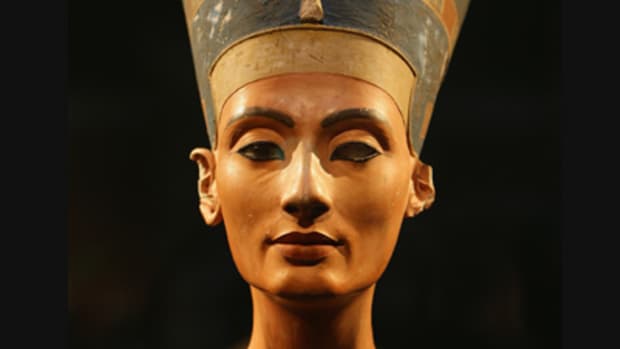
Nefertiti’s influence extended beyond religion. She played a critical role in diplomatic affairs and was actively involved in the administration of the kingdom. Her iconic bust, discovered in 1912, remains a symbol of ancient Egyptian art and has cemented her status as one of the most famous Queens of Egypt. Despite the eventual decline of the Aten cult, Nefertiti’s impact on Egyptian history and culture remains profound.

Cleopatra VII: The Last Pharaoh of Egypt

Political Savvy and Romance

Cleopatra VII is perhaps the most well-known Queen of Egypt, celebrated for her intelligence, political acumen, and romantic liaisons with powerful Roman figures such as Julius Caesar and Mark Antony. Cleopatra’s reign was marked by her efforts to maintain Egypt’s independence amidst the growing power of Rome.

Reign and Downfall

Cleopatra’s rule saw significant cultural and economic developments. She was fluent in multiple languages and embraced Egyptian customs and religion, unlike her Ptolemaic predecessors who largely adhered to Greek traditions. Cleopatra’s romantic and political alliances were aimed at strengthening her position and securing Egypt’s sovereignty. However, her defeat alongside Mark Antony by Octavian (later Augustus) led to the end of the Ptolemaic dynasty and Egypt’s annexation into the Roman Empire.

Nefertari: The Beloved Queen

Marriage to Ramses II

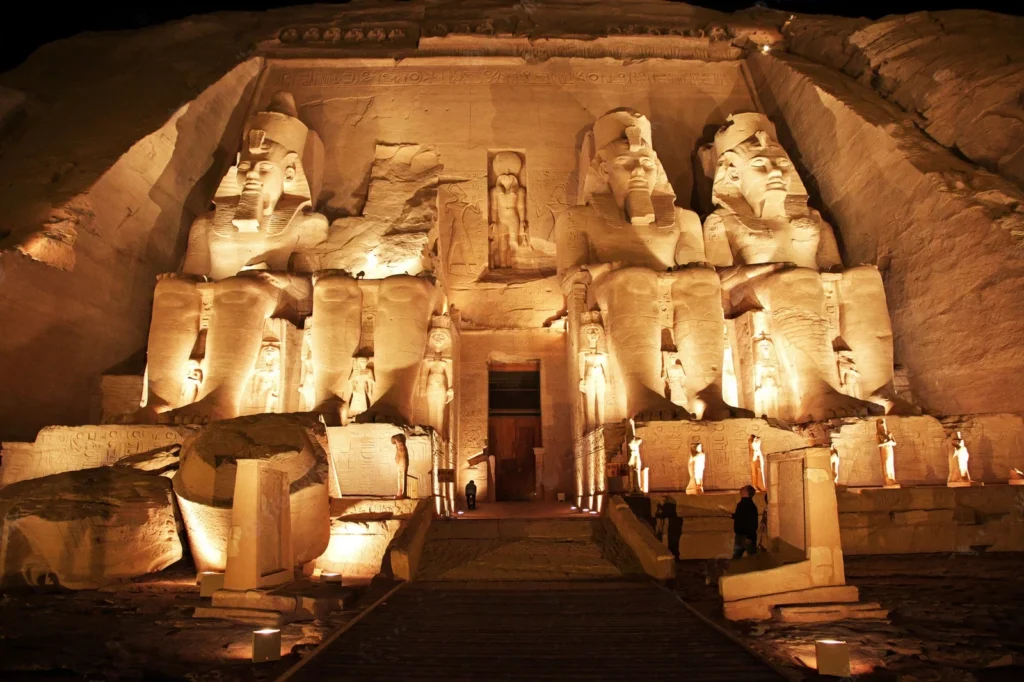
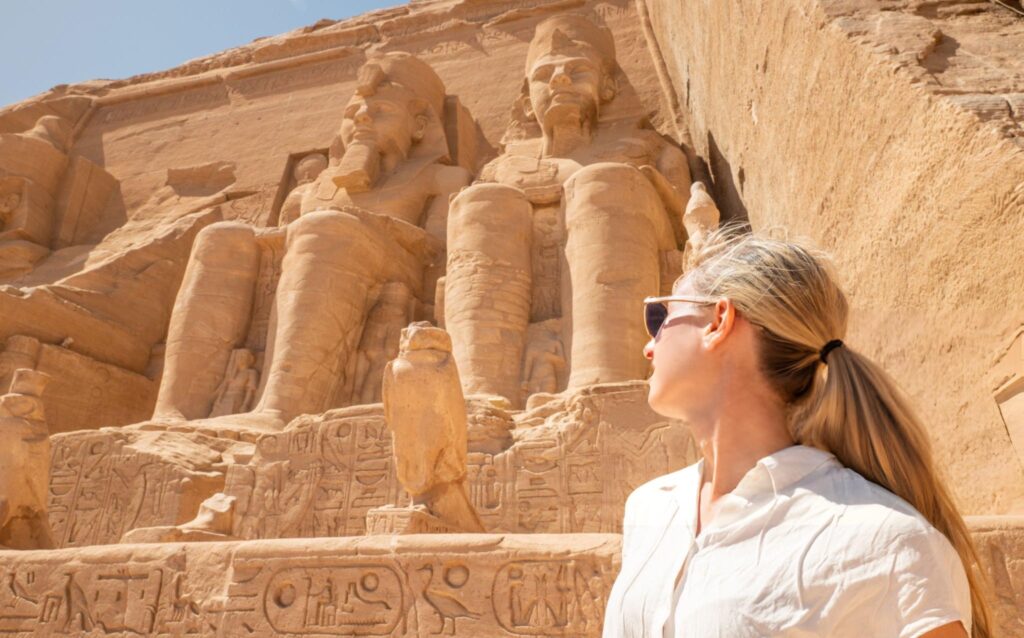
Nefertari, the Great Royal Wife of Pharaoh Ramses II, is renowned for her beauty, intelligence, and diplomatic skills. Ramses II dedicated numerous monuments to her, including the famous temple at Abu Simbel, highlighting her esteemed position and the deep affection he held for her.

Contributions and Legacy

Nefertari was highly educated, proficient in reading and writing hieroglyphs, which was uncommon for women of her time. Her diplomatic efforts were instrumental in maintaining peace and fostering alliances with neighboring regions. The richly decorated tomb of Nefertari in the Valley of the Queens, with its vibrant and well-preserved frescoes, stands as a testament to her enduring legacy and the high regard in which she was held.

Tiye: The Queen Mother

Marriage and Influence

Queen Tiye, wife of Amenhotep III and mother of Akhenaten, wielded significant influence during one of Egypt’s most prosperous periods. Her marriage to Amenhotep III was not only a union of two powerful families but also a political alliance that strengthened the kingdom.

Legacy

Tiye was deeply involved in state affairs and religious reforms. Her intelligence and political acumen earned her a prominent position in the royal court. Her son, Akhenaten, continued to revere her even after ascending the throne, highlighting her lasting impact on Egyptian politics and religion.

Conclusion

The Queens of Egypt were more than just consorts to powerful pharaohs; they were influential leaders, diplomats, and cultural icons. Their contributions to the political, economic, and cultural spheres of ancient Egypt have left an enduring legacy that continues to fascinate historians and the general public alike. From Hatshepsut’s pioneering reign to Cleopatra’s dramatic life and death, these queens exemplify the strength, intelligence, and resilience that defined ancient Egyptian civilization. As we continue to unearth and study the remnants of their reigns, the Queens of Egypt remain timeless figures of empowerment and legacy.

For any inquiries, contact us :
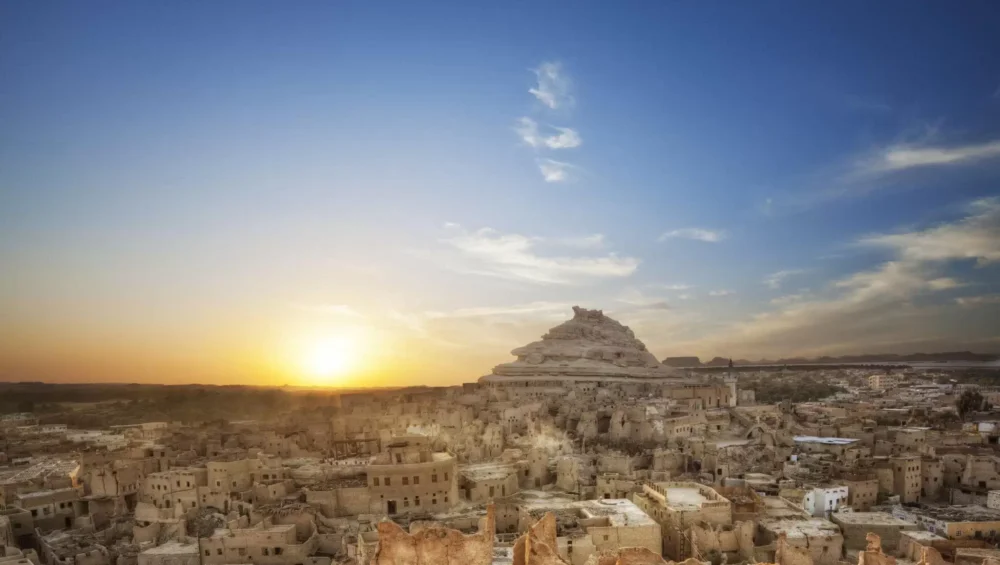
Shali Fortress Siwa Oasis Safari

Egypt Tours for Seniors Travel Guide to Top Sights, Tours & Tips

Egypt Tours for Seniors: Top Travel Tips, Sights & Tours

Traveling to Egypt as a senior can be an enriching and fulfilling experience, filled with historical wonders, cultural delights, and unforgettable memories. With its rich heritage and diverse attractions, Egypt offers a plethora of opportunities for seniors to explore and enjoy. In this guide, we’ll delve into top travel tips, must-see sights, and recommended tours for seniors visiting Egypt.

Travel Tips for Seniors

  1. Health Precautions: Before embarking on your journey, consult with your healthcare provider to ensure you’re in good health for travel. Carry necessary medications and travel insurance for peace of mind.
  2. Comfortable Accommodations: Choose accommodations that cater to seniors, offering amenities such as elevators, accessible rooms, and proximity to attractions.
  3. Guided Tours: Consider joining guided tours for a hassle-free experience. Experienced guides can provide valuable insights, ensure safety, and tailor activities to suit your pace.
  4. Hydration and Sun Protection: Egypt’s climate can be hot and dry, especially during summer months. Stay hydrated, wear sunscreen, and dress in lightweight, breathable clothing.
  5. Respect Local Customs: Familiarize yourself with Egyptian customs and etiquette, such as appropriate dress codes, cultural norms, and respectful behavior at religious sites.

Must-See Sights for Seniors

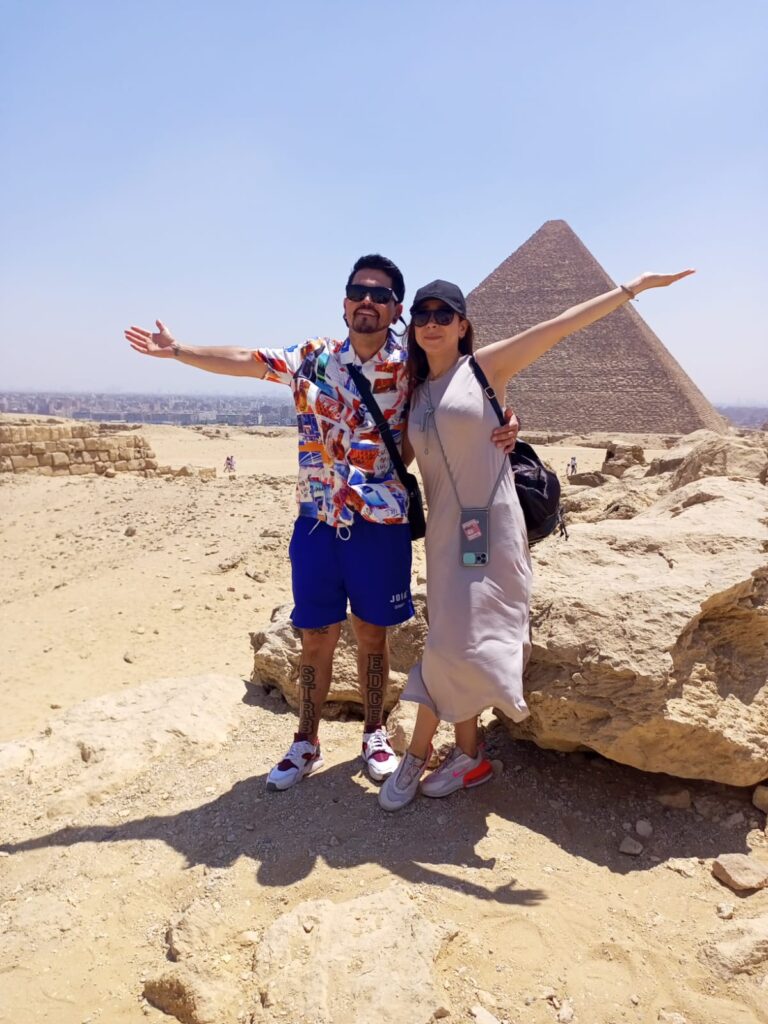
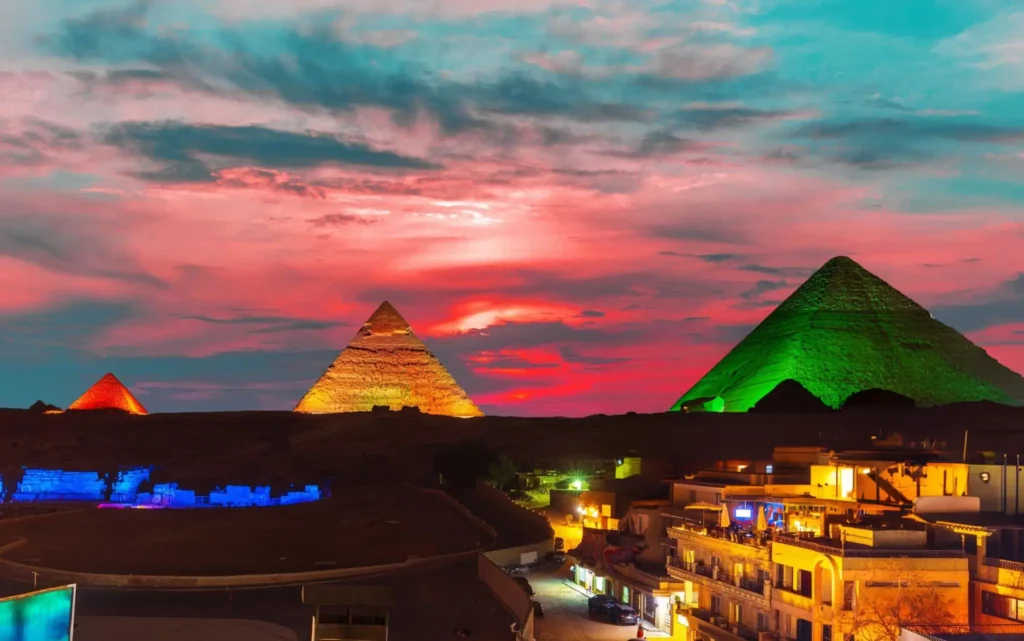
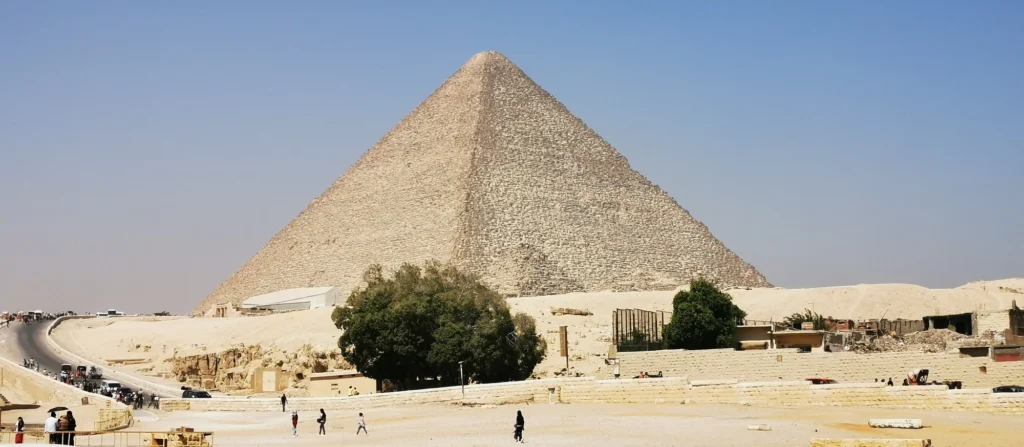
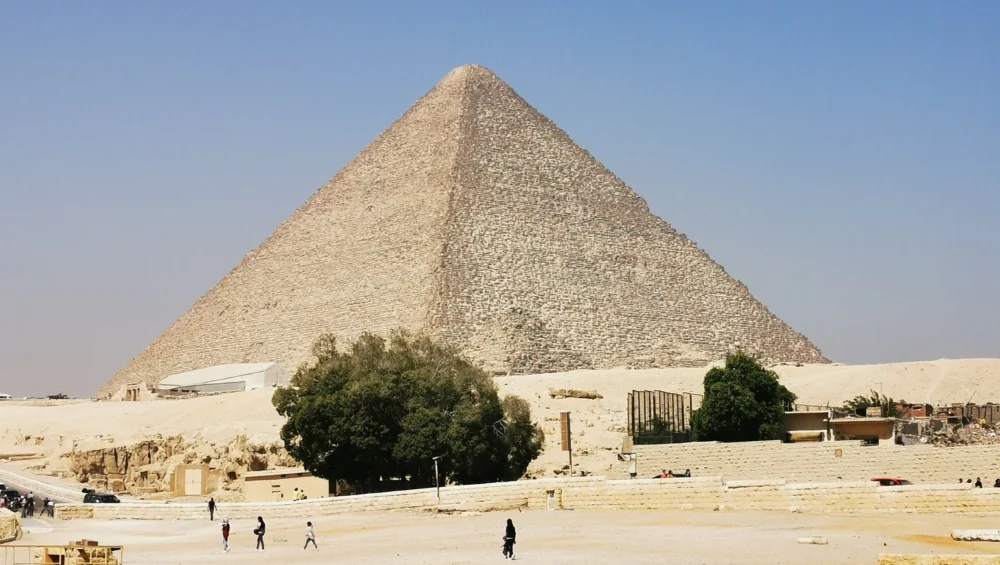
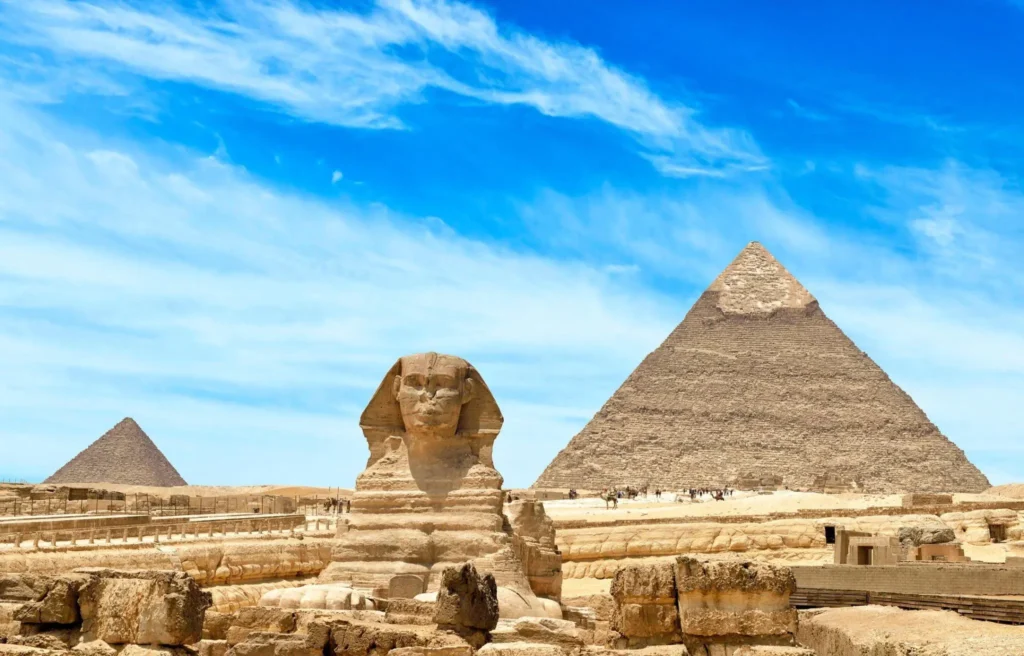
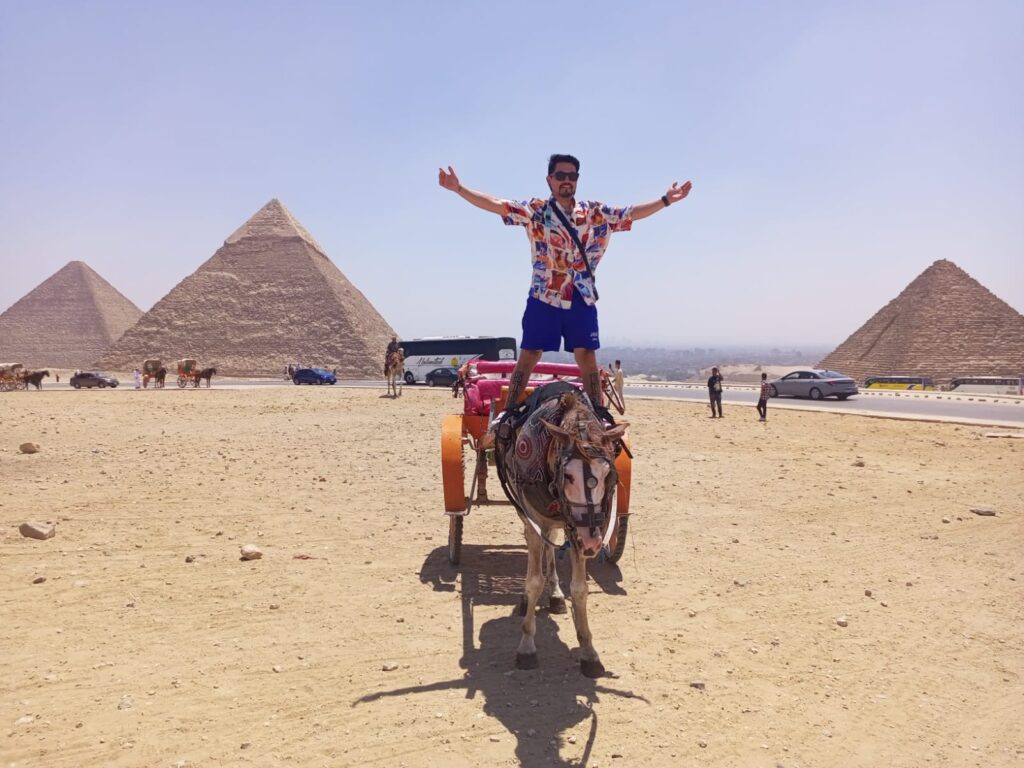
  1. The Pyramids of Giza: A timeless wonder and one of Egypt’s most iconic landmarks, the Pyramids of Giza offer a glimpse into ancient Egyptian civilization. Seniors can admire these majestic structures and explore the nearby Sphinx and Pyramid complex.
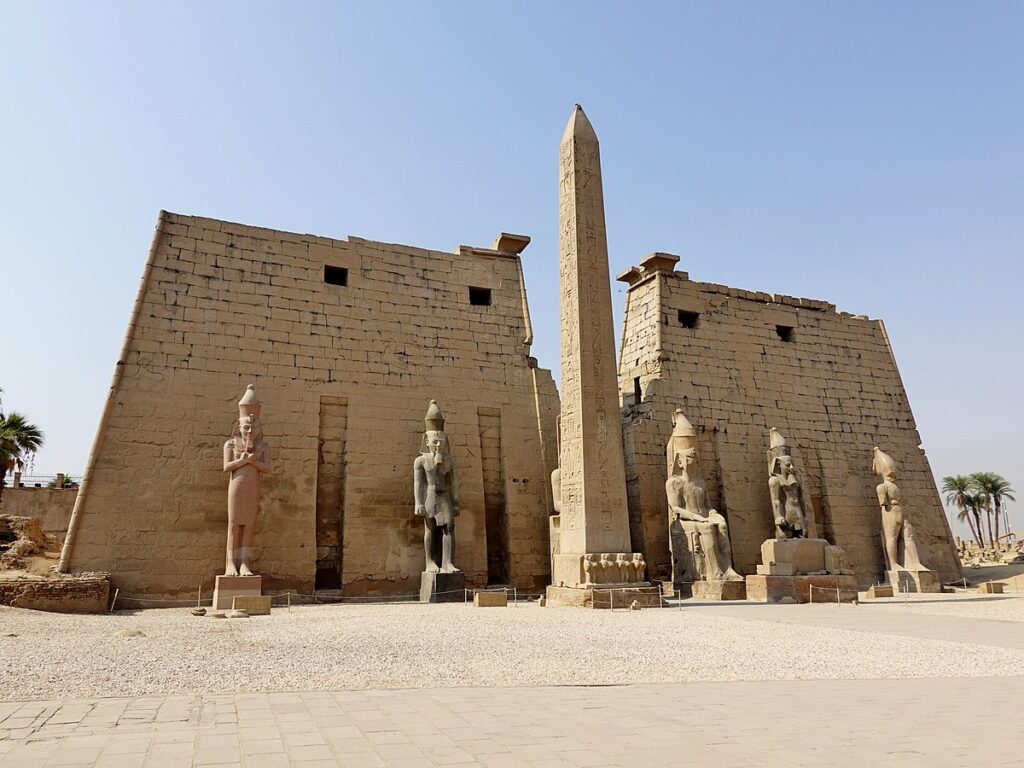
  2. Luxor Temple: Located on the east bank of the Nile River, Luxor Temple is a captivating blend of ancient architecture and historical significance. Seniors can marvel at its grandeur and immerse themselves in Egypt’s rich history.
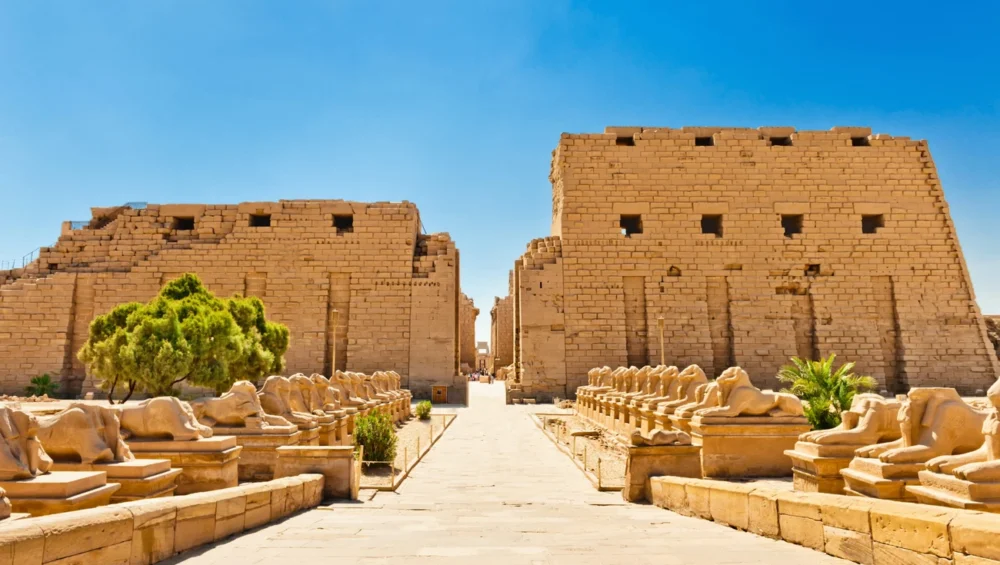
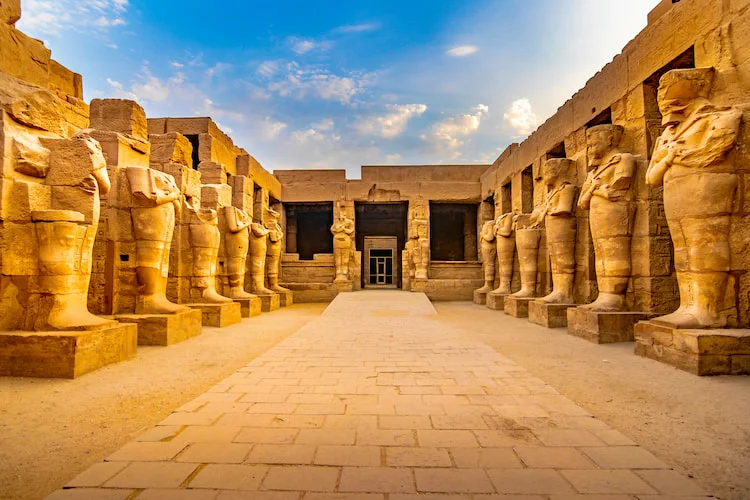
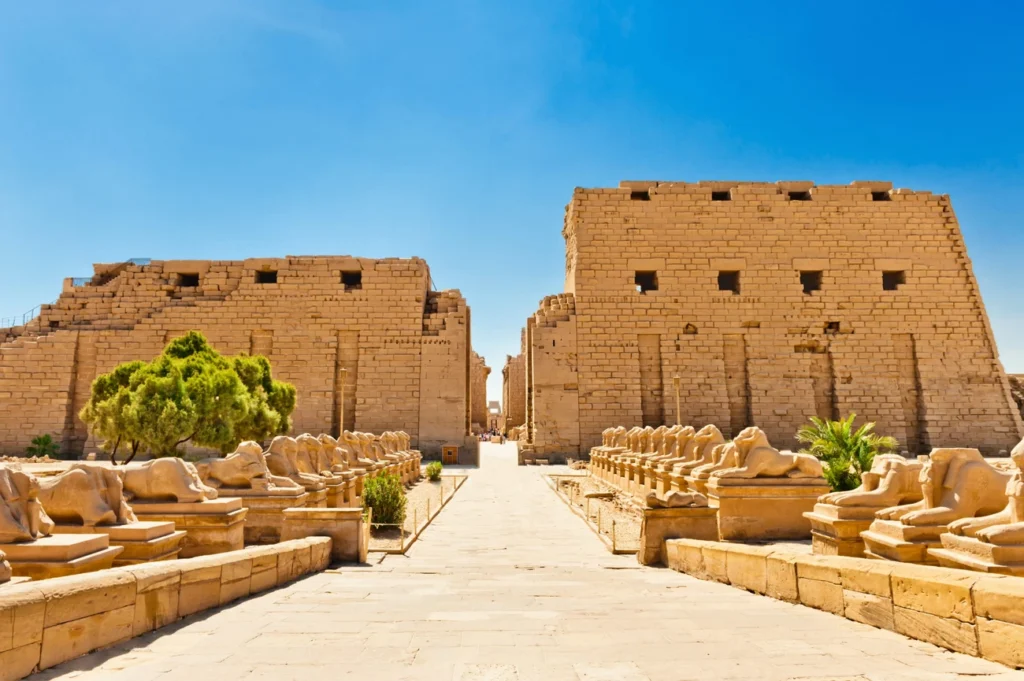
  3. Karnak Temple Complex: Another gem in Luxor, the Karnak Temple Complex is a vast open-air museum showcasing temples, chapels, and sacred relics. Seniors can wander through its colossal columns and marvel at the intricate hieroglyphs.
  4. Nile River Cruise: Embark on a leisurely Nile River cruise, where seniors can relax and enjoy breathtaking views of the riverbanks, ancient temples, and rural life along the Nile.
  5. Valley of the Kings: Explore the Valley of the Kings in Luxor, home to ancient tombs of pharaohs and nobles. Seniors can visit iconic tombs such as Tutankhamun’s and experience the allure of Egypt’s royal past.Egypt Tours for Seniors

Recommended Tours for Seniors

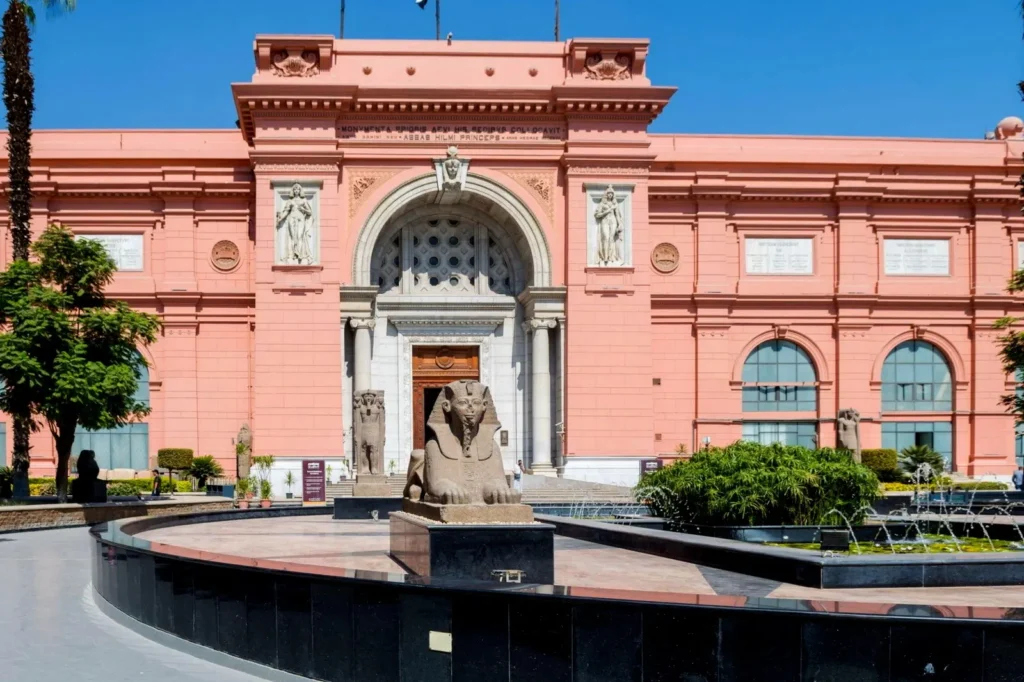
  1. Egyptian Museum Tour: Delve into Egypt’s rich history and treasure trove of artifacts at the Egyptian Museum in Cairo. Guided tours offer seniors insights into ancient Egyptian civilization, including the famous King Tutankhamun exhibit.
  2. Nubian Village Excursion: Experience the vibrant culture and hospitality of Nubian villagers with a guided excursion. Seniors can enjoy traditional Nubian cuisine, music, and crafts while learning about this unique community.
  3. Aswan High Dam Visit: Witness modern engineering marvels with a visit to the Aswan High Dam, offering panoramic views of the Nile River and Lake Nasser. Guided tours provide seniors with informative narratives about the dam’s significance.
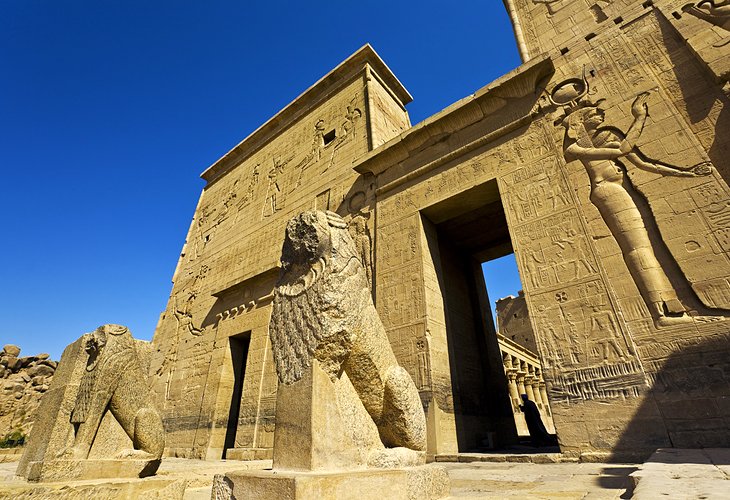
  4. Philae Temple Tour: Explore the Philae Temple dedicated to the goddess Isis, located on Philae Island near Aswan. Seniors can admire the temple’s exquisite architecture and tranquil surroundings during guided visits.
  5. Felucca Sailboat Ride: Relax on a traditional felucca sailboat ride along the Nile, enjoying serene views and gentle breezes. Guided tours ensure seniors’ comfort and safety while cruising the legendary river.
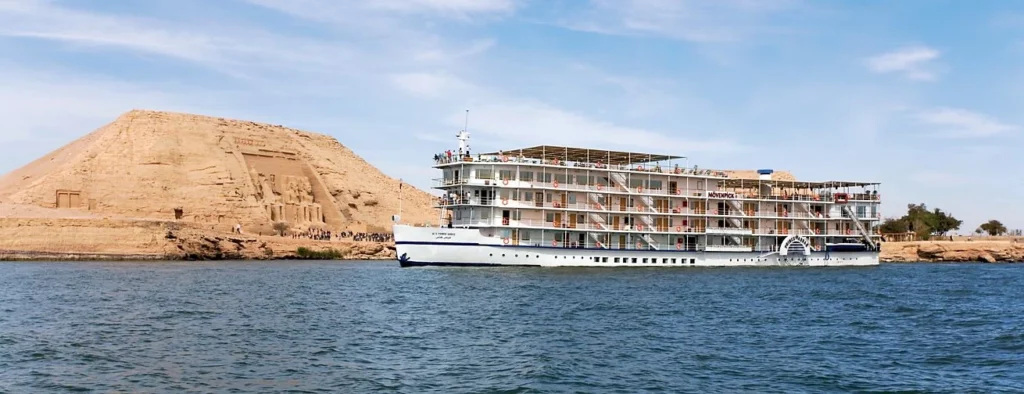
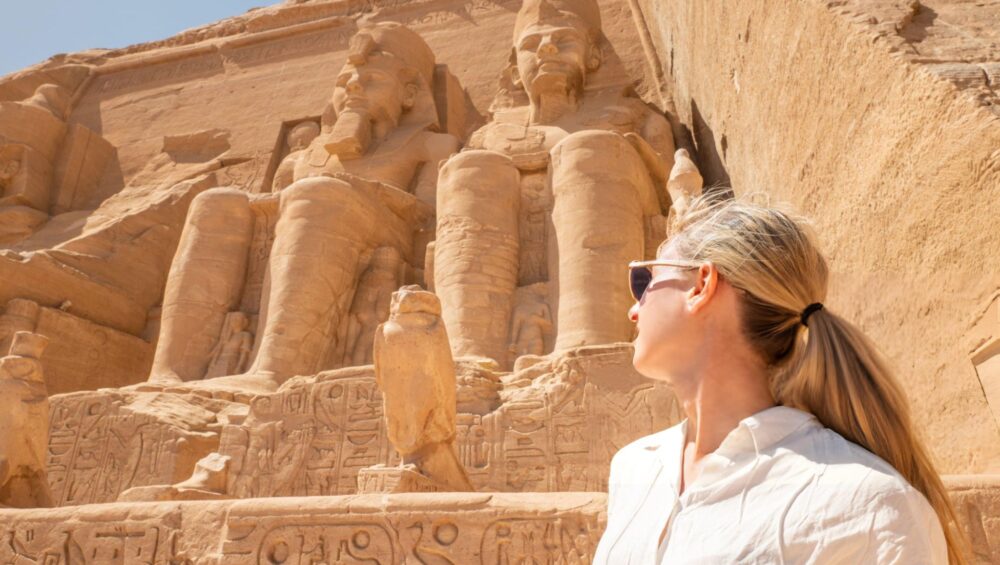
  6. Abu Simbel Temples Excursion: Journey to Abu Simbel, home to the magnificent temples of Ramses II and Nefertari. Seniors can marvel at the colossal statues, intricate carvings, and historical significance of these ancient monuments.
  7. Old Cairo Walking Tour: Explore the historic streets of Old Cairo with a guided walking tour. Seniors can visit notable landmarks such as the Hanging Church, Ben Ezra Synagogue, and Khan El-Khalili bazaar, immersing themselves in the city’s rich heritage.
  8. Alexandria Day Trip: Take a day trip to Alexandria, Egypt’s Mediterranean jewel. Seniors can visit the iconic Library of Alexandria, Pompey’s Pillar, and Qaitbay Citadel while enjoying the coastal beauty and cultural attractions of this ancient city.

In conclusion, Egypt tours for seniors offer a blend of historical wonders, cultural immersion, and leisurely experiences. By following travel tips, exploring must-see sights, and joining recommended tours, seniors can enjoy a memorable and enriching journey through Egypt’s timeless treasures.

For any inquiries, contact us :
Ras Mohamed National Park

Honeymoon in Egypt: Best Places to Visit and Stay

Honeymoon in Egypt: Best Places to Visit and Stay

Enjoy Honeymoon in Egypt, with its timeless allure and captivating blend of ancient wonders and modern amenities, offers a magical setting for a honeymoon. From romantic Nile cruises to luxurious resorts by the Red Sea, Egypt promises an unforgettable experience for newlyweds seeking a blend of relaxation, adventure, and cultural exploration. In this guide, we’ll explore the best places to visit and stay during your honeymoon in Egypt.

Honeymoon in Egypt

Romantic Destinations in Egypt

1. Cairo

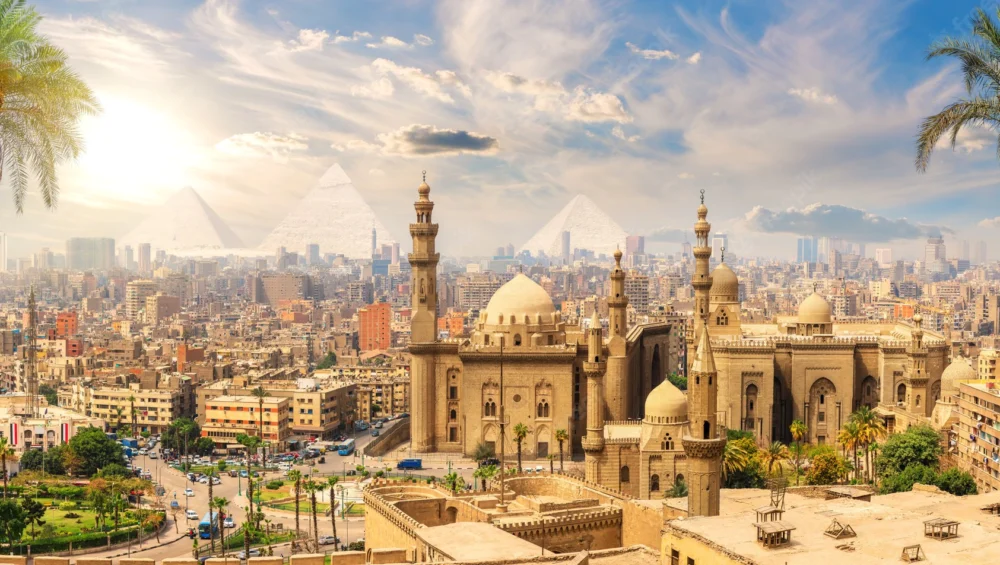
Begin your journey in the vibrant city of Cairo, where ancient history meets bustling modernity. Explore iconic landmarks such as the majestic Pyramids of Giza, the enigmatic Sphinx, and the fascinating Egyptian Museum, home to thousands of artifacts, including treasures from Tutankhamun’s tomb. Enjoy romantic walks along the Nile Corniche or indulge in a dinner cruise aboard a traditional felucca, taking in the city’s illuminated skyline.

Honeymoon in Egypt

2. Luxor

Renowned as the “World’s Greatest Open-Air Museum,” Luxor beckons with its wealth of archaeological wonders. Visit the breathtaking temples of Karnak and Luxor, marvel at the beauty of the Valley of the Kings, and take a hot air balloon ride at sunrise for a spectacular view of the ancient monuments and the Nile River below.

3. Aswan

Nestled along the serene banks of the Nile, Aswan invites honeymooners to unwind in its tranquil ambiance. Explore the picturesque Philae Temple, sail on a felucca to the botanical delights of Kitchener’s Island, and visit the Nubian villages to immerse yourselves in the region’s rich cultural heritage.

4. Red Sea Coast

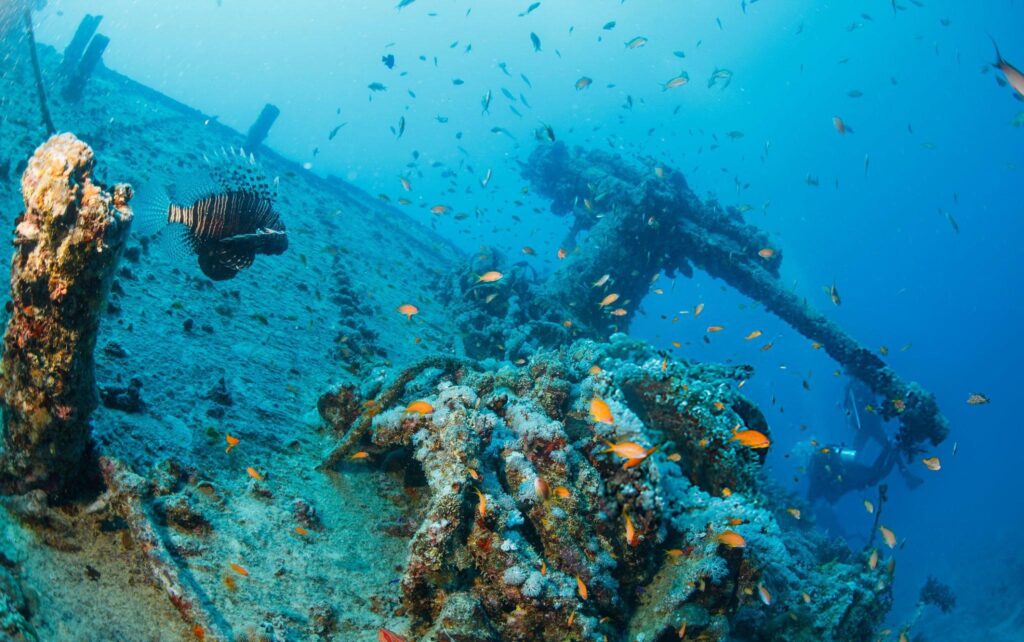
For a blend of relaxation and adventure, head to the Red Sea coast. Sharm El Sheikh offers luxurious beachfront resorts, vibrant coral reefs for snorkeling or diving, and thrilling water sports such as windsurfing and parasailing. Dahab, with its laid-back atmosphere and stunning Blue Hole dive site, is perfect for couples seeking a more intimate beach getaway.

Snorkeling in Egypt

Luxury Accommodations

1. Sofitel Legend Old Cataract Aswan

Experience old-world charm and modern luxury at the Sofitel Legend Old Cataract Aswan. Set against the backdrop of the Nile River, this iconic hotel boasts elegant suites, gourmet dining options, and a serene spa for ultimate relaxation.

2. Four Seasons Hotel Cairo at Nile Plaza

Overlooking the Nile River and the Egyptian Museum, the Four Seasons Hotel Cairo at Nile Plaza offers opulent rooms and suites, exquisite dining experiences, and panoramic views of Cairo’s skyline from its rooftop pool and bar.

3. Oberoi Philae Nile Cruiser

Embark on a romantic Nile cruise aboard the Oberoi Philae Nile Cruiser. With luxurious cabins, fine dining, and personalized service, this floating oasis takes you on a journey of comfort and discovery along Egypt’s timeless river.


4. Rixos Sharm El Sheikh

Indulge in beachfront luxury at Rixos Sharm El Sheikh, where spacious rooms and suites, private beaches, and a range of leisure activities await. Enjoy candlelit dinners by the sea, rejuvenating spa treatments, and unforgettable sunsets over the Red Sea.

Conclusion

A honeymoon in Egypt promises a blend of romance, adventure, and cultural immersion. Whether exploring ancient wonders in Cairo and Luxor, relaxing along the Red Sea coast, or indulging in luxury accommodations, Egypt offers a captivating experience for couples embarking on this special journey together. Discover the magic of Egypt and create cherished memories that will last a lifetime.

Honeymoon in Egypt

For any inquiries, contact us :

Top 12 Things to do in Cairo with Family

Top 12 Things to do in Cairo with Family

Discover Top 12 Things to do in Cairo with Family , the vibrant capital of Egypt, is not just a city of ancient wonders but also a fantastic destination for family-friendly activities. Whether you’re exploring the iconic pyramids, delving into history at museums, or enjoying leisurely strolls in parks, Cairo offers a diverse range of experiences for families. Here are the top 12 things to do in Cairo with family that promise fun, education, and memorable moments.

  1. Visit the Pyramids of Giza
    • No trip to Cairo is complete without marveling at the awe-inspiring Pyramids of Giza. Explore these ancient wonders, including the Great Pyramid of Khufu, and learn about Egypt’s fascinating history.Top 12 Things to do in Cairo with Family
  2. Discover the Egyptian Museum
    • Step into the past at the Egyptian Museum in Tahrir Square. Admire the treasures of Tutankhamun, mummies, and countless artifacts that showcase Egypt’s rich heritage.
  3. Enjoy a Nile River Cruise
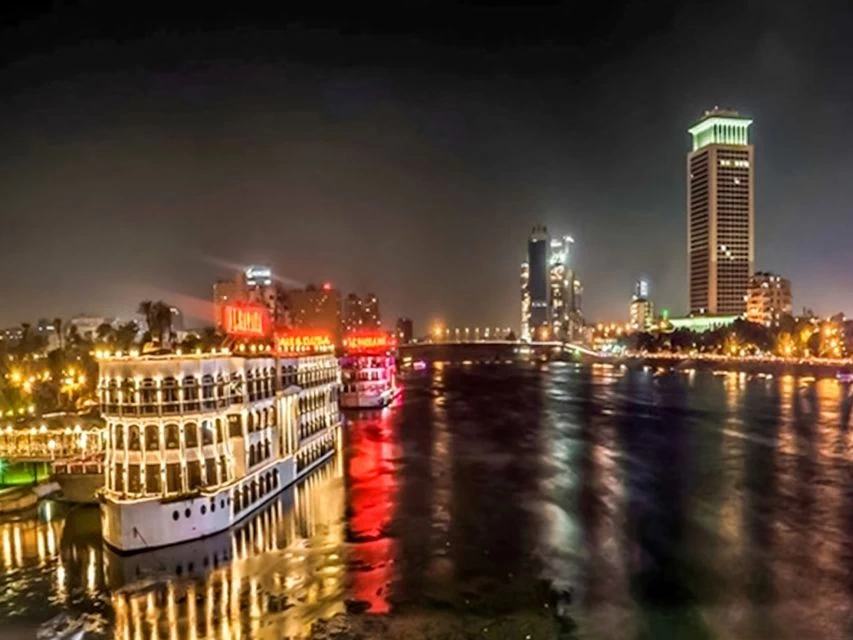
    • Embark on a relaxing Nile River cruise with your family. Admire Cairo’s skyline, enjoy delicious cuisine, and experience the beauty of the Nile at sunset.Cairo Nile Cruise Dinner and show
  4. Explore Khan El Khalili Bazaar
    • Dive into Cairo’s bustling atmosphere at Khan El Khalili Bazaar. Shop for souvenirs, taste local delicacies, and immerse yourself in the vibrant colors and sounds of this historic market.
  5. Visit the Cairo Tower
    • Head to the Cairo Tower for panoramic views of the city. Kids will love the bird’s-eye perspective, and you can capture stunning photos of Cairo’s skyline.
  6. Relax in Al-Azhar Park
    • Take a break from sightseeing and unwind in Al-Azhar Park. This lush green space offers playgrounds, picnic areas, and beautiful views of Cairo’s landmarks.
  7. Explore Cairo’s Old City
    • Wander through Cairo’s Old City, also known as Islamic Cairo. Discover historic mosques, traditional architecture, and charming narrow streets filled with shops and cafes.
  8. Visit the Pharaonic Village
    • Experience ancient Egypt come to life at the Pharaonic Village. This interactive museum offers hands-on activities, live shows, and exhibits that transport you back in time.
  9. Have Fun at Dream Park
    • Treat your kids to a day of excitement at Dream Park. With thrilling rides, games, and entertainment options, it’s a perfect place for family fun and adventure.
  10. Learn at the Children’s Civilization and Creativity Center
    • Engage young minds at the Children’s Civilization and Creativity Center. Interactive exhibits, workshops, and educational programs make learning about Egypt’s history enjoyable for kids.
  11. Take a Felucca Ride
    • Sail along the Nile on a traditional felucca boat. It’s a relaxing way to enjoy Cairo’s waterfront and soak in the tranquil atmosphere of the river.
  12. Attend a Sound and Light Show

Cairo offers an incredible array of activities that cater to both adults and children, making it a perfect destination for a family adventure. From ancient wonders to modern attractions, there’s something for everyone to enjoy in this bustling city. So pack your bags, gather your loved ones, and get ready for an unforgettable journey in Cairo!

For any inquiries, contact us :
Karnak and Luxor Temples Day Tour

Unveiling Egypt’s Ancient Marvels: Things to do in Luxor and Aswan

Things to do in Luxor and Aswan: Unveiling Egypt’s Ancient Treasures

Discover Top Things to do in Luxor and Aswan, two cities nestled along the majestic Nile River in Egypt, are renowned for their rich history, ancient temples, and captivating landscapes. Whether you’re a history enthusiast, an adventure seeker, or a culture lover, Luxor and Aswan offer a plethora of experiences that will leave you mesmerized. Let’s delve into the top things to do in these fascinating cities.

1. Explore the Temples of Luxor and Karnak

Begin your journey in Luxor by exploring the awe-inspiring Temples of Luxor and Karnak. These monumental structures, dedicated to the ancient Egyptian gods, stand as testaments to the country’s glorious past. Marvel at the intricately carved hieroglyphs, colossal statues, and grandiose pillars that adorn these temples, and immerse yourself in the mystical aura of ancient Egypt.

Things to do in Luxor and Aswan

2. Visit the Valley of the Kings

No visit to Luxor is complete without a trip to the Valley of the Kings, where the tombs of pharaohs from the New Kingdom era are nestled in the rugged desert terrain. Descend into the crypts of legendary rulers like Tutankhamun and Ramses II, and witness the exquisite wall paintings and artifacts that have stood the test of time.

Day tour to Valley of the Kings, Hatshepsut Temple, and Colossi of Memnon - West Bank Of Luxor -

3. Sail the Nile on a Felucca

Experience the timeless beauty of the Nile River by embarking on a traditional felucca sailboat ride. Drift along the tranquil waters, soaking in panoramic views of Luxor’s riverbanks adorned with lush greenery and ancient ruins. As the sun sets, the golden hues cast a magical spell, making this journey a truly unforgettable one.

4. Discover the Temple of Philae in Aswan

In Aswan, marvel at the Temple of Philae, dedicated to the goddess Isis. This enchanting temple complex, relocated to its current island location during the construction of the Aswan High Dam, boasts stunning colonnades, majestic pylons, and captivating reliefs depicting ancient Egyptian mythology.

5. Visit the Unfinished Obelisk

Uncover the secrets of ancient Egyptian craftsmanship at the Unfinished Obelisk, a massive stone monolith left abandoned in a quarry near Aswan. Imagine the colossal effort required to carve such a monumental structure and learn about the techniques used by ancient artisans.

6. Explore Nubian Culture

Delve into the vibrant culture of the Nubian people, indigenous to the region around Aswan. Visit a Nubian village to experience traditional music, dance performances, and colorful handicrafts. Engage with locals to gain insights into their customs, cuisine, and way of life, creating memorable cultural exchanges.

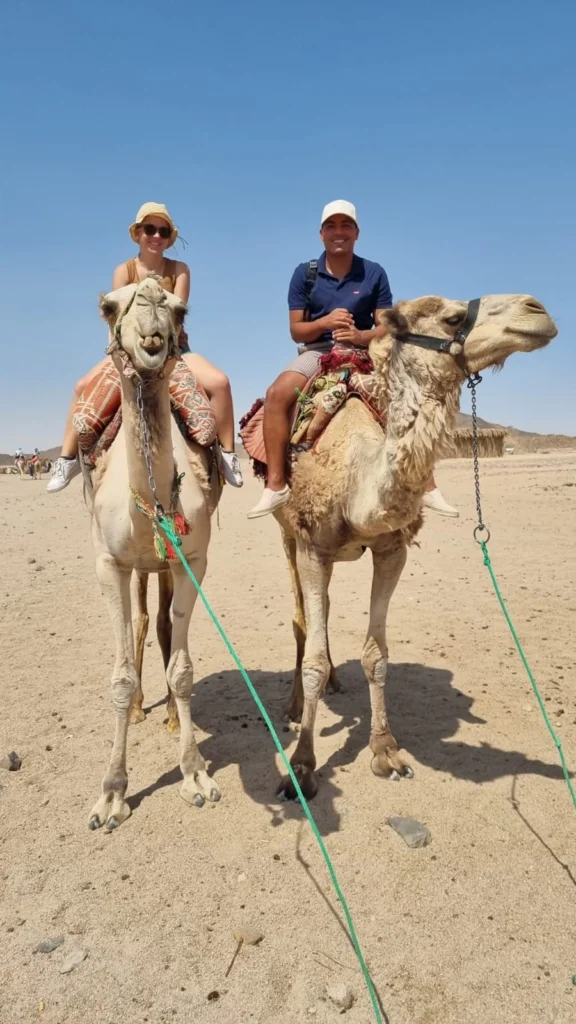
7. Take a Camel Ride to St. Simeon Monastery

Embark on a desert adventure by taking a camel ride to the ancient St. Simeon Monastery, perched atop a desert hill near Aswan. This well-preserved monastery offers panoramic views of the surrounding desert landscape and provides a glimpse into Egypt’s Christian heritage.

8. Shop at Aswan’s Souks

Immerse yourself in Aswan’s vibrant market scene at its bustling souks. Wander through narrow alleys filled with stalls offering a dazzling array of spices, textiles, jewelry, and souvenirs. Engage in the art of bargaining and take home unique treasures to commemorate your journey.

9. Enjoy a Sound and Light Show

End your day in Luxor or Aswan with a captivating Sound and Light Show at iconic historical sites such as the Karnak Temple or the Philae Temple. Watch as illuminated projections and narrations bring ancient legends to life, creating a magical atmosphere that transports you back in time.

10. Relax by the Nile

Finally, unwind and soak in the serene beauty of the Nile River. Whether it’s sipping traditional mint tea at a riverside cafe in Luxor or enjoying a leisurely felucca ride in Aswan, let the tranquil waters and picturesque surroundings rejuvenate your senses.

In conclusion, Luxor and Aswan offer a tapestry of experiences that weave together ancient history, cultural heritage, and natural beauty. Whether you’re exploring majestic temples, sailing the Nile, or immersing yourself in local culture, these cities promise a journey filled with wonder and discovery. Plan your trip to Luxor and Aswan, and embark on an unforgettable adventure in the heart of Egypt’s ancient treasures.

For any inquiries, contact us :
Giza Pyramids - Top 10 Must Visit Cities in Egypt

Unveiling the Top 10 Must Visit Cities In Egypt

Egyptian Wonders: Top 10 Must Visit Cities in Egypt

Discover The Top 10 Must Visit Cities in Egypt, the land of captivating history, ancient wonders, and vibrant culture, drawing travelers from around the globe to explore its diverse cities. From the iconic pyramids to the bustling streets of Cairo, each city offers a unique blend of heritage and modernity. Here are the top 10 cities you must visit to experience the best of Egypt:

1. Cairo: Where History Meets Modernity

Cairo, the bustling capital of Egypt, is a city that seamlessly blends ancient wonders with a modern urban landscape. Home to the iconic Giza Pyramids, including the Great Pyramid of Giza, Cairo is a treasure trove of history and culture. Explore the Egyptian Museum to marvel at the artifacts of pharaohs or wander through the vibrant markets of Khan El Khalili for a taste of local life.

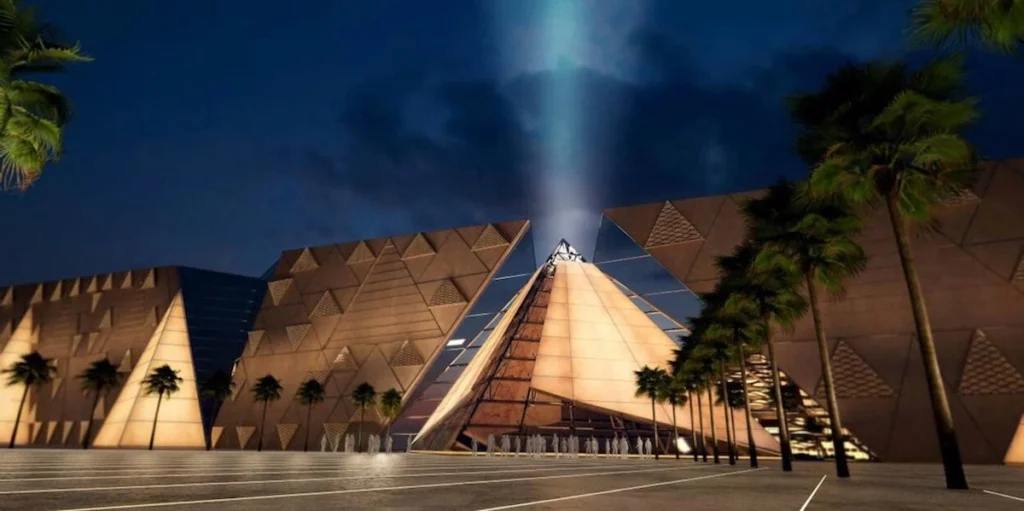
Grand Egyptian Museum

2. Luxor: The Open-Air Museum

Known as the “world’s greatest open-air museum,” Luxor is a city steeped in ancient history. Visit the Karnak Temple Complex, the Valley of the Kings, and the Luxor Temple to witness the grandeur of Egypt’s past. Take a hot air balloon ride at sunrise for a breathtaking view of the city and its surrounding monuments.

Karnak and Luxor Temples Day Tour

3. Aswan: Tranquility by the Nile

Nestled along the banks of the Nile River, Aswan is a city of tranquil beauty and cultural richness. Explore the Philae Temple dedicated to the goddess Isis, take a felucca ride on the Nile, or visit the Nubian villages to experience traditional Nubian hospitality and vibrant colors.

Top 10 Must Visit Cities In Egypt

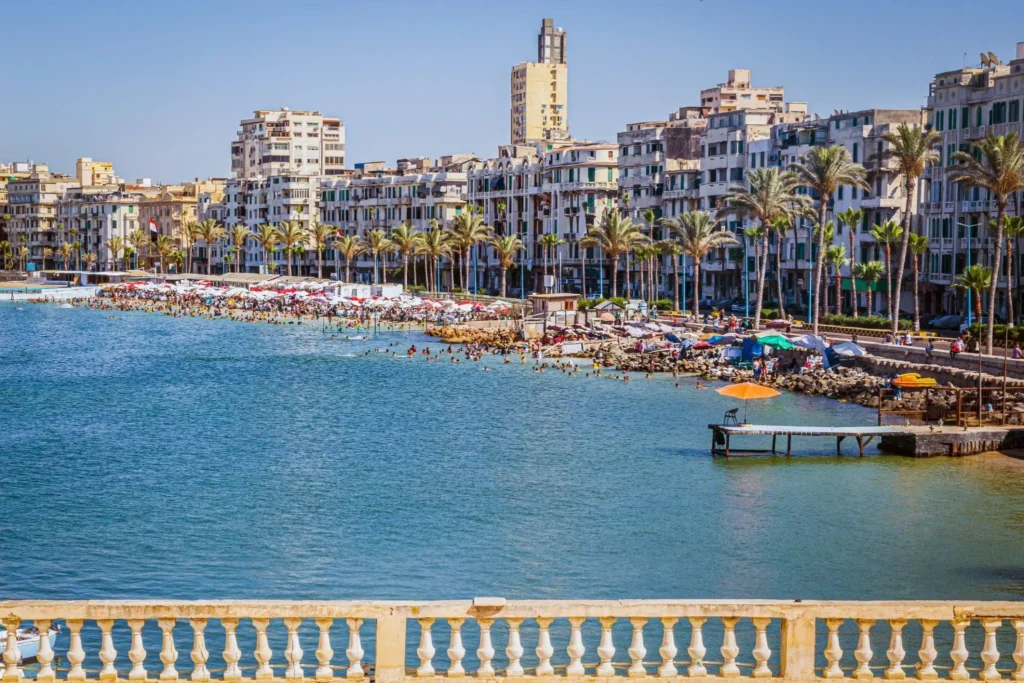
4. Alexandria: Coastal Charm and History

With its Mediterranean coastline and rich history, Alexandria is a city that captivates visitors with its unique charm. Visit the Bibliotheca Alexandrina, a modern homage to the ancient library of Alexandria, stroll along the Corniche to enjoy sea views, and explore the Catacombs of Kom el Shoqafa for a glimpse into Egypt’s Greco-Roman past.

Top 10 Must Visit Cities In Egypt

5. Sharm El Sheikh: Gateway to the Red Sea

For beach lovers and diving enthusiasts, Sharm El Sheikh is a paradise waiting to be explored. Dive into the crystal-clear waters of the Red Sea to discover vibrant coral reefs and exotic marine life. Take a snorkeling trip to Ras Mohammed National Park or relax on the beaches of Naama Bay.

6. Dahab: A Hippie Haven

Dahab, a laid-back coastal town on the Sinai Peninsula, offers a bohemian atmosphere and world-class diving opportunities. Explore the Blue Hole, one of the most famous dive sites globally, or embark on a desert safari to witness the rugged beauty of the Sinai desert.

7. Siwa Oasis: A Desert Retreat

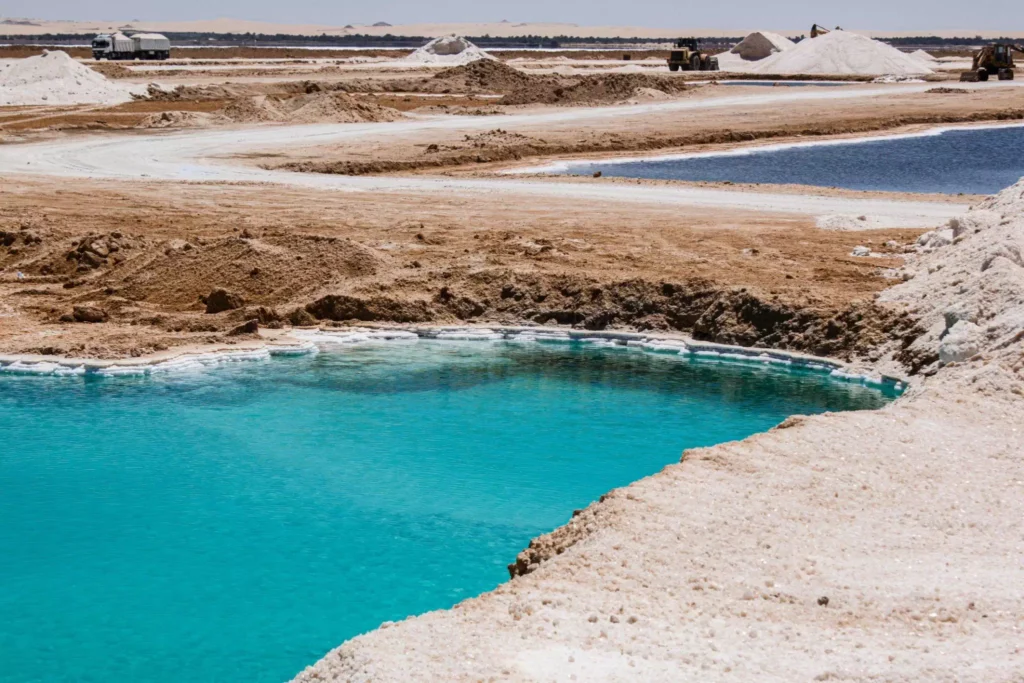
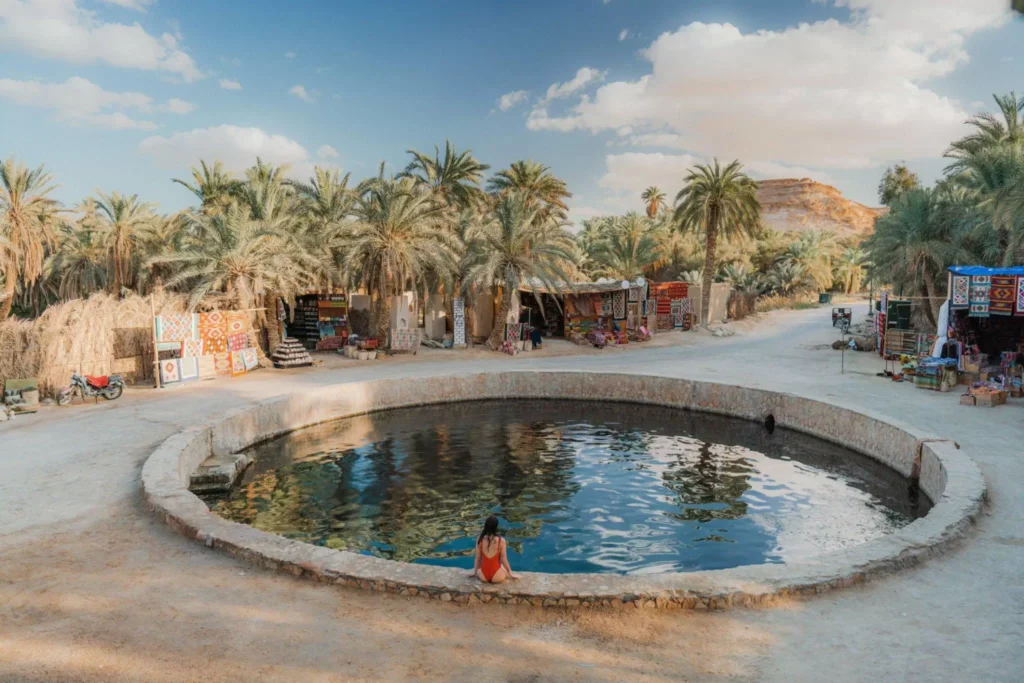
Hidden away in the Western Desert, Siwa Oasis is a tranquil haven known for its ancient mud-brick structures, lush date palm groves, and therapeutic hot springs. Visit the Temple of the Oracle, take a dip in Cleopatra’s Bath, and enjoy stunning sunset views from atop the dunes.

8. Abu Simbel: Temples of Ramses II

A UNESCO World Heritage Site, Abu Simbel is renowned for its monumental temples dedicated to Pharaoh Ramses II. Marvel at the colossal statues guarding the entrance to the temples and delve into the intricate hieroglyphs depicting ancient Egyptian mythology.

Top 10 Must Visit Cities In Egypt

9. El Minya: Off the Beaten Path

El Minya, located south of Cairo, is a hidden gem showcasing lesser-known ancient sites such as the Beni Hassan Tombs and the Tell El Amarna archaeological site. Explore the picturesque countryside, visit local markets, and immerse yourself in the authentic Egyptian way of life.

10. Marsa Alam: Red Sea Diving Paradise

For a secluded beach getaway and world-class diving, Marsa Alam is the perfect destination. Dive among vibrant coral reefs, encounter dolphins and sea turtles, or simply unwind on pristine beaches away from the crowds.

Conclusion: Discover Egypt’s Rich Tapestry of Cities

From the iconic pyramids of Cairo to the tranquil oases of Siwa and the underwater wonders of Sharm El Sheikh, Egypt’s cities offer a diverse tapestry of experiences for every traveler. Whether you’re drawn to ancient history, natural beauty, or vibrant culture, exploring these top 10 cities is a journey through the heart and soul of Egypt. So pack your bags, immerse yourself in Egypt’s wonders, and create memories that will last a lifetime.

For any inquiries, contact us :

Luxury Vacation in Egypt

Luxury Vacation in Egypt: Indulge in Opulence and History

For travelers seeking a blend of opulence and historical grandeur, Egypt presents a mesmerizing canvas of luxury experiences. From opulent Nile cruises to lavish resorts nestled against ancient wonders, a luxury vacation in Egypt promises unparalleled indulgence and cultural immersion. Here’s a guide on how to make the most of your luxury escapade in this captivating land.

1. Luxurious Accommodations

Begin your journey by selecting exquisite accommodations that embody Egypt’s rich heritage and contemporary luxury. Cairo, with its iconic pyramids as a backdrop, offers a range of upscale hotels boasting lavish amenities and breathtaking views. Consider staying at the historic Mena House Hotel, where you can wake up to panoramic vistas of the Great Pyramids from your private balcony.

For a more secluded retreat, indulge in the luxury resorts along the Red Sea coast in destinations like Sharm El Sheikh or Hurghada. These resorts offer world-class facilities such as private beaches, spa retreats, and gourmet dining experiences, ensuring a pampered stay in a stunning seaside setting.

Luxury Vacation in Egypt


2. Exclusive Nile Cruises

Embark on a journey of elegance and discovery with an exclusive Nile cruise aboard a luxury river vessel. These cruises offer a unique perspective on Egypt’s ancient wonders, allowing you to explore temples and tombs along the Nile while enjoying top-tier service and amenities.

Opt for a boutique cruise experience with limited cabins, ensuring personalized attention and a serene ambiance. From opulent suites with private balconies to gourmet dining featuring Egyptian delicacies, a luxury Nile cruise is a highlight of any upscale Egyptian vacation.

3. Private Tours and Experiences

Enhance your luxury vacation with private tours and bespoke experiences that showcase Egypt’s cultural treasures in style. Engage knowledgeable guides for exclusive access to iconic sites such as the Sphinx and the temples of Luxor and Karnak, where you can immerse yourself in millennia-old history away from the crowds.

For a truly memorable experience, consider a private hot air balloon ride over Luxor at sunrise, offering panoramic views of the Valley of the Kings and the majestic Nile River below. These tailor-made experiences elevate your journey, providing insights and perspectives that deepen your appreciation of Egypt’s heritage.

4. Culinary Delights and Fine Dining

Indulge your senses with Egypt’s culinary delights, from exquisite dining at luxury hotels to immersive food experiences that celebrate the country’s gastronomic heritage. Sample traditional dishes like koshari and grilled kebabs in atmospheric restaurants overlooking the Nile or indulge in gourmet fusion cuisine crafted by renowned chefs.

For a memorable evening, opt for a private dinner cruise on the Nile, where you can savor a delectable feast under the stars while cruising past illuminated monuments along the riverbanks. Pair your meals with fine Egyptian wines or signature cocktails for a truly indulgent culinary journey.

5. Spa Retreats and Wellness

Unwind and rejuvenate your body and mind at Egypt’s world-class spa retreats, offering a blend of ancient healing traditions and modern wellness therapies. Pamper yourself with luxurious spa treatments inspired by Pharaonic rituals, using natural ingredients like aromatic oils and desert salts to soothe and revitalize.

Many luxury resorts and hotels feature wellness centers with state-of-the-art facilities, including steam rooms, Jacuzzis, and yoga studios overlooking serene landscapes. Take advantage of personalized wellness programs designed to restore balance and vitality, ensuring a holistic luxury experience during your Egyptian sojourn.

Conclusion: Embracing Luxury and Heritage

A luxury vacation in Egypt is a harmonious fusion of opulence, history, and cultural immersion. By selecting upscale accommodations, indulging in exclusive experiences, savoring culinary delights, and prioritizing wellness, you can create a truly unforgettable journey that celebrates Egypt’s rich heritage while embracing modern luxury. Whether exploring ancient wonders or relaxing in idyllic settings, your luxury escapade in Egypt promises a tapestry of memorable moments and unparalleled experiences.

For any inquiries, contact us :
Egypt Tours for Solo Travelers

Egypt Tours for Solo Travelers: Empower Your Adventure Through Ancient Wonders

Egypt Tours for Solo Travelers: Top Tips for Traveling to Egypt

Egypt, with its ancient wonders, vibrant culture, and stunning landscapes, is a dream destination for many travelers. For solo travelers, embarking on an Egypt tour can be an exhilarating and enriching experience. However, navigating this fascinating country alone requires some preparation and know-how. Here are top tips to make your solo journey to Egypt a seamless and unforgettable adventure.

Egypt Tours for Solo Travelers

1. Plan Your Itinerary Carefully

Before you embark on your solo trip to Egypt, research and plan your itinerary carefully. Egypt offers a plethora of attractions, from the iconic pyramids of Giza to the mesmerizing temples of Luxor and the bustling markets of Cairo. Prioritize the places you want to visit and allocate sufficient time for each location to fully immerse yourself in its history and culture.

2. Choose Accommodations Wisely

When traveling solo, choosing the right accommodations is crucial for your comfort and safety. Opt for reputable hotels or guesthouses with positive reviews from solo travelers. Many hotels in Egypt offer single rooms specifically designed for solo travelers, ensuring a comfortable stay with all necessary amenities.

3. Stay Informed About Safety

While Egypt is generally safe for tourists, it’s essential to stay informed about the current safety situation in the areas you plan to visit. Monitor travel advisories from your home country and stay updated on any potential risks or security concerns. Avoid traveling to remote areas without proper guidance and always follow local guidelines and instructions.

4. Learn Basic Arabic Phrases

Although English is widely spoken in tourist areas, learning some basic Arabic phrases can enhance your travel experience and facilitate communication with locals. Simple greetings, expressions of gratitude, and asking for directions in Arabic can go a long way in making meaningful connections and navigating daily interactions.

5. Respect Local Customs and Traditions

Egypt has a rich cultural heritage, and it’s important to respect local customs and traditions during your visit. Dress modestly, especially when visiting religious sites, and be mindful of cultural sensitivities. Avoid public displays of affection and always ask for permission before taking photos of people, especially women and children.

6. Stay Hydrated and Sun-Protected

Egypt’s climate can be hot and dry, especially during the summer months. Stay hydrated by drinking plenty of water and carry a reusable water bottle with you. Additionally, protect yourself from the sun’s harsh rays by wearing sunscreen, a wide-brimmed hat, and lightweight, breathable clothing.

Ali Voyage Giza Pyramids and Sphinx

7. Be Cautious with Street Vendors

While exploring Egypt’s vibrant markets and bazaars, exercise caution when dealing with street vendors. Bargaining is common, but be wary of scams or overly aggressive vendors. Stick to reputable shops and always negotiate prices respectfully.

8. Connect with Other Solo Travelers

Solo travel in Egypt can be an enriching experience, but it’s also beneficial to connect with other solo travelers along the way. Join group tours or activities where you can meet like-minded individuals and share experiences. Travel forums and social media platforms are also great resources for connecting with fellow solo travelers.

9. Embrace Cultural Immersion

Finally, embrace the opportunity for cultural immersion during your solo trip to Egypt. Engage with locals, try traditional Egyptian cuisine, attend cultural events or festivals, and explore off-the-beaten-path destinations. Solo travel allows you the freedom to fully immerse yourself in the beauty and diversity of Egypt’s rich heritage.
In conclusion, solo travel to Egypt offers a unique and rewarding experience for adventurous travelers. By planning carefully, respecting local customs, staying informed about safety, and embracing cultural immersion, you can make the most of your solo journey to this captivating destination. Egypt awaits with ancient wonders, warm hospitality, and unforgettable memories for solo travelers ready to explore its treasures.


For any inquiries, contact us :
Hurghada Safari Tours

Egypt Desert Safari Tours

Egypt Desert Safari Tours: A Guide for Travelers

Exploring Egypt’s desert landscapes through safari tours is a thrilling and unforgettable experience for travelers seeking adventure and natural beauty. From the vast expanse of the Western Desert to the captivating sights of the Sinai Peninsula, Egypt offers a range of desert safari options that cater to different preferences and interests. In this guide, we’ll delve into the essence of Egypt’s desert safari tours, highlighting key destinations, activities, tips, and essential information for travelers.

Understanding Egypt’s Desert Diversity

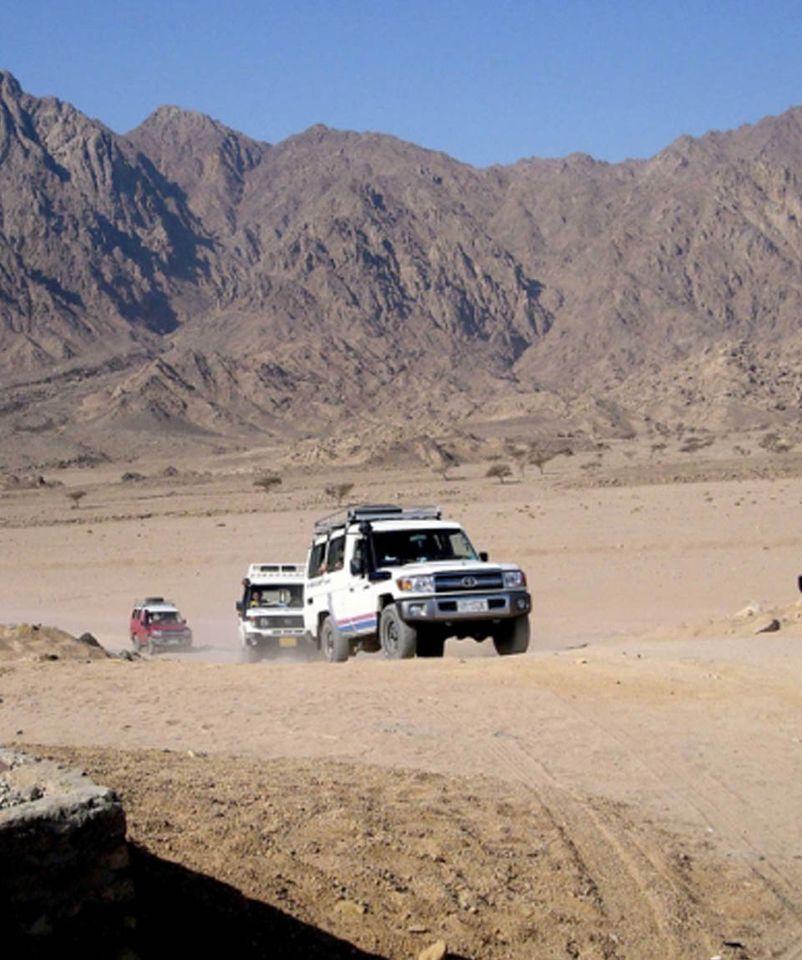
Egypt’s desert diversity is a treasure trove for explorers. The Western Desert, stretching west of the Nile, encompasses the vast Sahara with its shifting sands, ancient oases like Siwa and Bahariya, and historic sites such as the Valley of the Kings near Luxor. The Eastern Desert, flanking the Red Sea, offers a stark contrast with its rugged mountains, colorful canyons, and rich mineral deposits. The Sinai Peninsula, bridging Asia and Africa, features iconic landmarks like Mount Sinai and the St. Catherine Monastery, along with Bedouin culture and stunning coastal vistas.

Top Destinations for Desert Safari Tours

  1. Siwa Oasis: Tucked away in the Western Desert, Siwa Oasis is a tranquil retreat steeped in history. Visitors can explore the ruins of the ancient Oracle Temple, relax in natural hot springs, and savor the renowned dates and olives grown in this verdant oasis.3-Day Siwa Oasis Safari Tour from Cairo
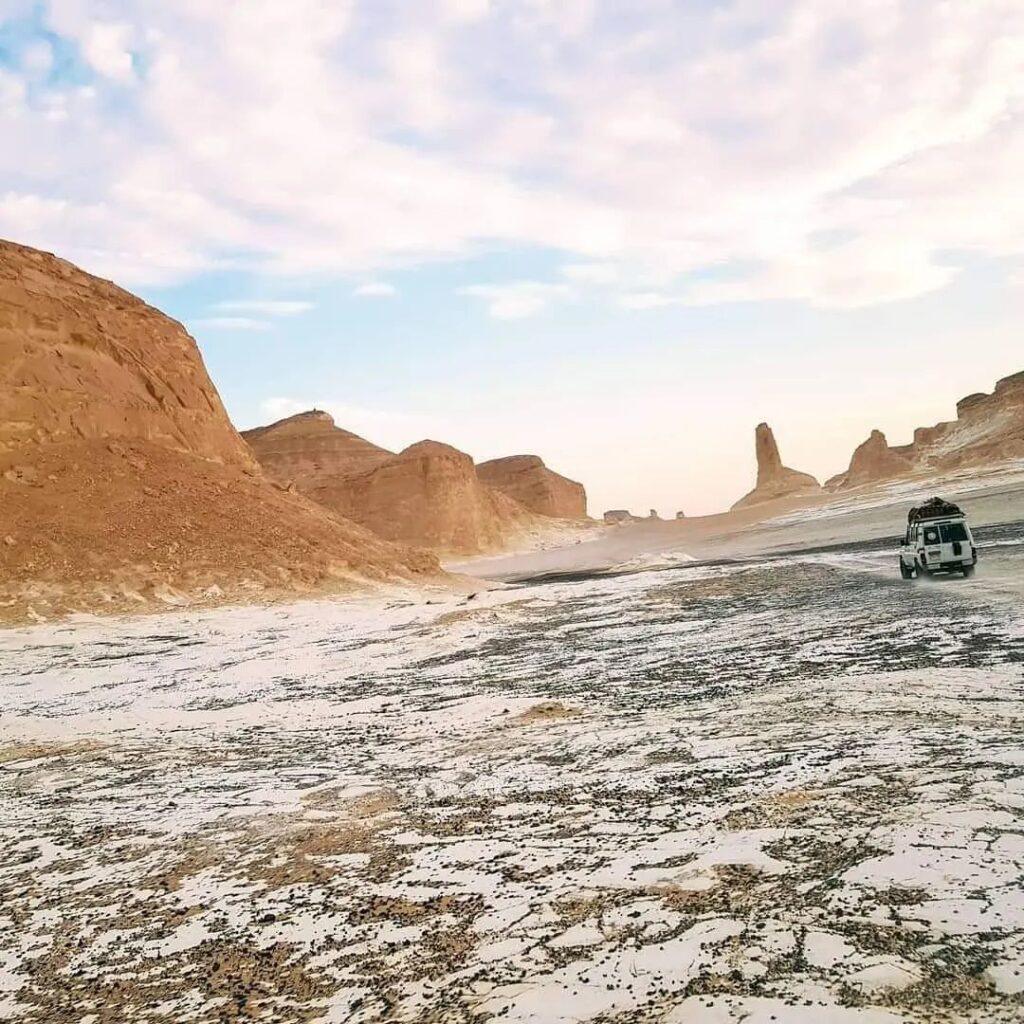
  2. White Desert (Farafra): The White Desert is a surreal masterpiece of nature, with its limestone formations sculpted into otherworldly shapes by centuries of wind erosion. Camping under the starry sky amidst these ghostly white rocks is a surreal experience not to be missed.

white desert

  1. Black Desert (Dakhla and Kharga): Contrasting the White Desert, the Black Desert showcases volcanic landscapes dotted with blackened rocks, offering a unique backdrop for desert adventures. The nearby oases of Dakhla and Kharga provide glimpses into traditional oasis life and well-preserved archaeological sites.
  2. Red Sea Coast (Sinai Peninsula): The Red Sea coast is a paradise for adventure enthusiasts, combining desert safari tours with water activities like snorkeling, diving, and windsurfing. Dahab’s Blue Hole, Ras Mohammed National Park, and Tiran Island are renowned for their marine biodiversity and underwater wonders.
  3. Wadi El Gemal National Park: Located in the Eastern Desert near Marsa Alam, Wadi El Gemal National Park is a hidden gem offering eco-friendly safari experiences. Explore desert trails, encounter diverse wildlife like Nubian ibex and gazelles, and learn about Bedouin traditions in this pristine wilderness.

Activities and Experiences

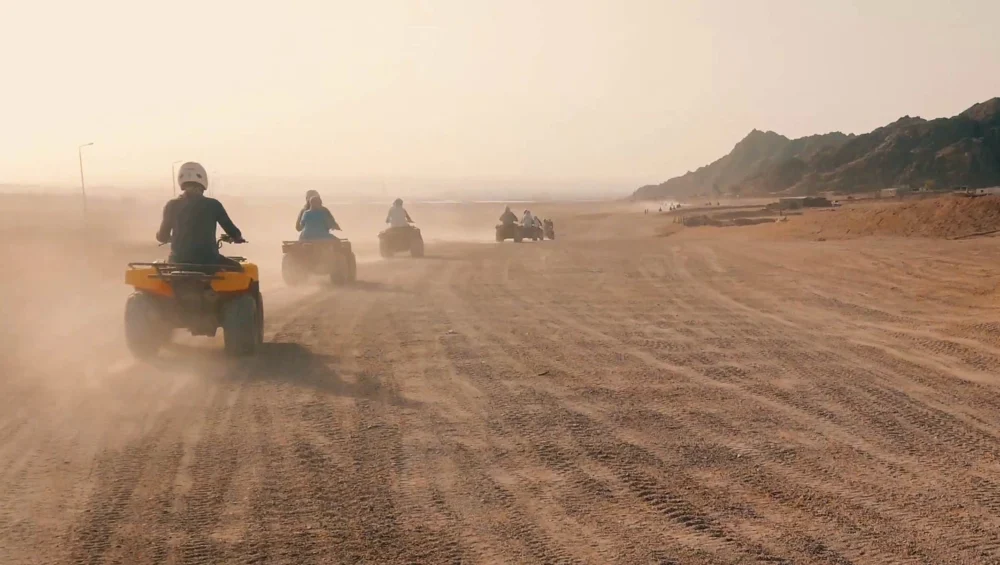
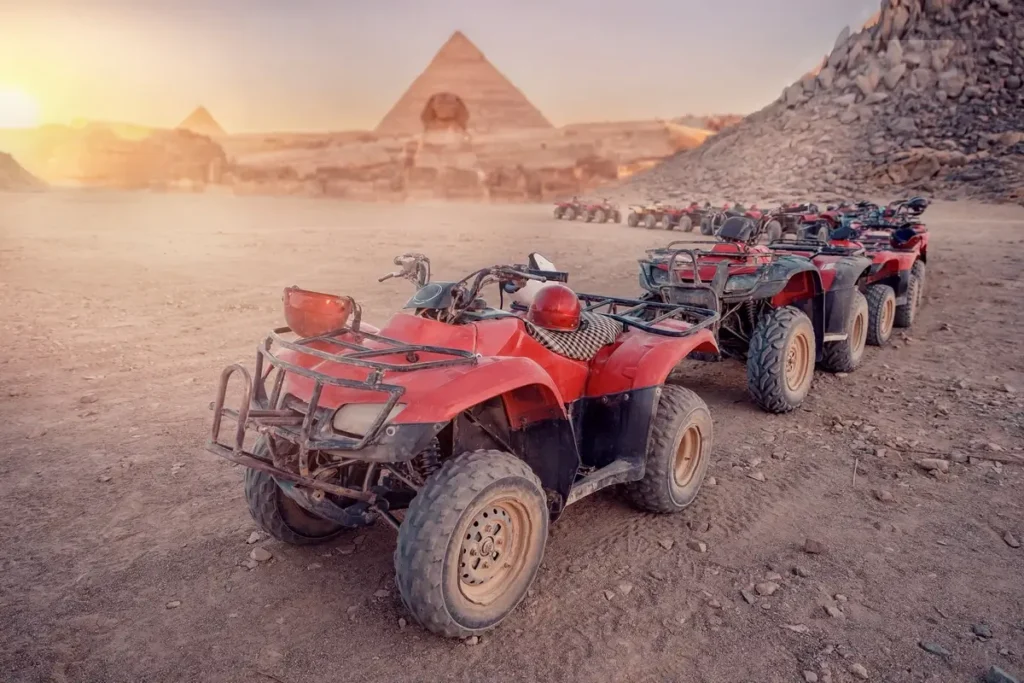
  • Quad Biking: Zoom across sandy terrain on quad bikes, navigating through dunes and valleys for an exhilarating ride amidst the desert’s vastness.Quad Bike Safari Tour at Giza Pyramids
  • Sandboarding: Glide down steep dunes on a sandboard, emulating the thrill of snowboarding while surrounded by golden sands and panoramic vistas.
  • Desert Treks: Embark on guided desert treks, discovering hidden oases, ancient rock art, and fossilized remnants of prehistoric life embedded in the desert’s layers.
  • Cultural Encounters: Engage with local Bedouin communities, learning about their nomadic lifestyle, traditional crafts, and storytelling traditions around campfires under the starlit sky.

Essential Tips for Desert Safari Tours

  1. Weather Awareness: Be mindful of seasonal variations in desert temperatures, with hot summers and chilly nights in winter. Plan your safari accordingly to ensure a comfortable and enjoyable experience.
  2. Navigation Tools: Carry GPS devices or maps, especially if venturing into remote desert areas with limited signage or cellular coverage. Familiarize yourself with navigation techniques to avoid getting lost.
  3. Emergency Preparedness: Pack a first-aid kit, emergency supplies (water, food, blankets), and communication devices (satellite phone, radio) for unforeseen situations like vehicle breakdowns or medical emergencies.
  4. Environmental Responsibility: Respect desert ecosystems by minimizing waste, avoiding littering, and following Leave No Trace principles. Preserve fragile desert habitats and wildlife for future generations to enjoy.

Conclusion

Egypt’s desert safari tours beckon adventurers with a tapestry of landscapes, from golden sands to surreal rock formations, ancient oases, and vibrant marine life along coastal shores. Whether seeking adrenaline-fueled escapades or tranquil moments under starry skies, Egypt’s deserts offer a transformative journey of exploration and discovery for travelers eager to embrace the allure of the desert.

For any inquiries, contact us :